
Deadly Affair: The Kazini-Draru Tragedy
Uncovering the shocking true story of Major General James Kazini's murder by his lover Lydia Draru. A tale of love, betrayal, and justice.
14 Jan, 2025
Share
Save
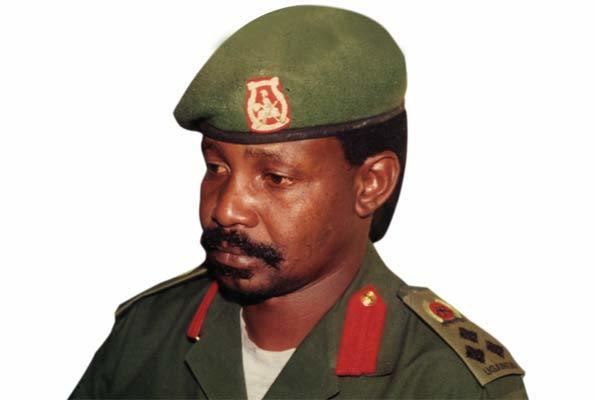
Major General James Kazini: A fearless soldier who survived many bullets on the battlefield but fell victim to a love gone wrong. On a November morning in 2009, Namuwongo became the scene of a murder that shocked the entire nation. This is the story:
The background of the story is classic, like the biblical tale of Samson and Delilah. On the morning of Tuesday, November 10, 2009, in Namuwongo, Kampala, Lydia Draru aka Atim, murdered former Army Commander Major General James Kazini by hitting him repeatedly with an iron bar.
Lydia Draru was subsequently arrested from her Namuwongo residence, whisked away to Central Police Station, Kampala (CPS) and interrogated for over 5 hours. She was later in the afternoon produced in court where she admitted killing Kazini, but that it was unintentional.
At Court, Lydia Draru confessed to bludgeoning former Army Commander and veteran James Kazini in an extra-judicial statement before Buganda Road Court Magistrate John Wekesa.
Thousands of people attended Kazini's funeral at All Saints Cathedral, Kampala. He was described as a loving father and irreplaceable. Even a visibly disappointed President Museveni attended, saying he attributed Kazini's death to reckless living.
After 6 months, Lydia Draru was charged with murder and committed to the High Court following the conclusion of the investigations. Ironically, on her first court appearance, Draru claimed she did not understand English, yet she did.
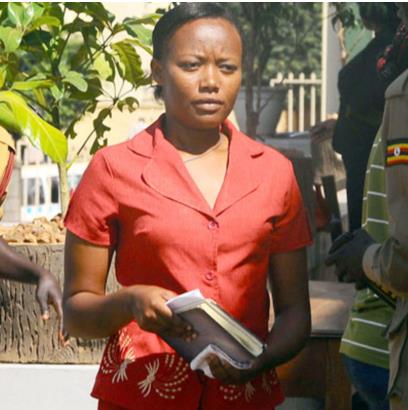
At the High Court, Draru's case was before Judge Anna Bitature Mugenyi. Fred Kazoora led the Prosecution while the Defence comprised Annet Mutabingwa (the former Head of the Bar Course at LDC and a former lecturer of mine - pictured) and Musa Sembajja.

The Prosecution called 6 witnesses—the pathologist who conducted a post-mortem on Kazini; the doctor who examined Draru after the murder; Proscovia Toboru, an eyewitness to the murder; the officer who analysed the genetic DNA of exhibits found at the scene of the crime; a scene of crimes officer assigned to the case, and finally, a neighbour that witnessed the accused’s conduct after the alleged murder. The Defence called Draru as its sole witness.

Dr Thaddeus Barungi, a pathologist, testified in court that he led a team of people who conducted a post-mortem on the body of a 52-year-old male adult identified by his (Kazini’s) daughter—Kyomugisha Juliet.
The post-mortem report stated the cause of Kazini’s death as extensive skull and brain injuries because of trauma, resulting in excessive bleeding. He further stated that the injuries found on Kazini’s body indicated that Kazini took at least 5 blows to his head.
According to Proscovia Toboru the only eyewitness to the attack and a then 19-year-old niece to Lydia Draru, Kazini accused her aunt, Ms Draru of stealing his money which Draru denied, walked away towards Proscovia's room and asked Kazini to leave.
Proscovia further testified that Kazini followed Draru, boxed and slapped her, while she pleaded with him to leave her. Draru then returned to the sitting room and Kazini followed her there, threw her on a sofa and attempted to ‘strangle’ her.
The doctor who examined Draru after the murder confirmed Kazini's assault on Draru. She testified that she found multiple fingernail scratch marks on 8 sides of her neck, and an abrasion bruise on the right hand of her dorsal aspect (back of her right hand) measuring 3 x 3 cm.
After the fight, Kazini picked up Draru’s handbag and phone, told Draru to leave the house and on her complying with his instructions, sought to lock her out of the house. Kazini asked for his portraits, collected his magazines, and made for the door.
Proscovia stated that as she then went towards the corridor, Draru passed by her and entered her bedroom. She then came out with an iron bar, went past Proscovia and hit Kazini twice, who was facing the main exit door; first, on the back, causing him to fall, and then on the head.
The Defence argued that Kazini had told Draru that he was going to get his gun and return to kill her, so she acted in self-defence. Indeed, a loaded revolver was recovered from a brown bag in Kazini’s car at the scene of the crime.
Even more, Lydia Draru testified that Kazini had in an earlier incident placed her at gunpoint and threatened to kill her, only calming down when, on her knees, she pleaded with him.
The question, however, before the Court was having resorted to force in self-defence, did Draru use justifiable force? The answer to this question was answered in the negative.
Lydia Draru was therefore acquitted of the offence of murder and found guilty of manslaughter, a crime she initially pleaded guilty to. She was accordingly convicted and sentenced to 14 years in prison.
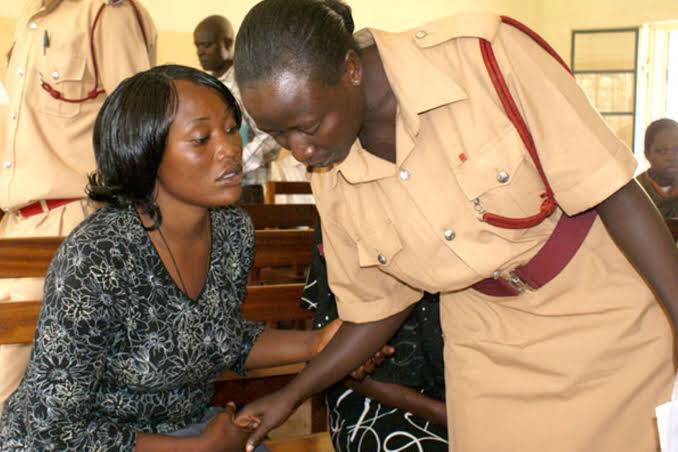
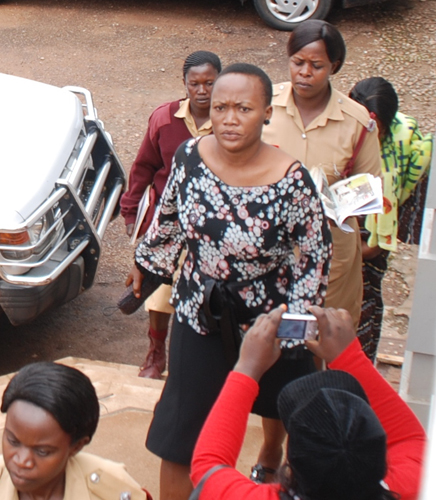
Draru served 10 years at Luzira prison under Prison Number PRS NO.LWP 111/2011. The rest of the time (4 years, 7 months and 20 days) was counted in remission. She was released on January 12, 2021. Pictured is Lydia Draru (Right) in Luzira Prison.

Read the court's verdict: https://ulii.org/akn/ug/judgment/ughc/2011/126/eng@2011-08-31