
The Gen Z Effect: Disrupting the Old Order, Designing the New.
“Every generation imagines itself to be more intelligent than the one that went before it and wiser than the one that comes after it.” — George Orwell.
30 Jun, 2025
Share
Save
I. Who is Gen Z?
Born roughly between 1996 and 2012, Generation Z (or Gen Z) is the first truly digital-native generation. Raised on smartphones, nurtured by algorithms, and mentored by memes, they’ve come of age in an era shaped by pandemics, climate change, social unrest, and relentless technological acceleration.
II. Social Impact: The Rise of Hyper-Individualism and Global Solidarity
Gen Z has dismantled the illusion of neutrality in society. Whether through gender identity, race, or climate, this generation refuses silence.
“The most common way people give up their power is by thinking they don’t have any.” — Alice Walker.
Hyper-individualism: Gen Z champions self-expression to an unprecedented degree. Gender is no longer binary; beauty is no longer standardised. While critics call it narcissistic, it's a reclamation of autonomy in a world that historically demanded conformity.
Digital Empathy: Ironically, though labelled anti-social, Gen Z is often more connected to global causes than previous generations. From Black Lives Matter to #FridaysForFuture, Gen Z has merged activism with viral culture.
Analysis:
This social shift demands new legal and policy frameworks to accommodate identity plurality, mental health, and digital citizenship—areas that traditional institutions have failed to evolve with.
III. Economic Impact: From Hustle Culture to Crypto Revolutions
Gen Z is redefining economic participation:
They don’t dream of jobs—they build revenue streams.
They distrust debt and the traditional path of "school → job → pension".
Many embrace crypto, NFTs, and gig platforms as tools of autonomy, not rebellion.
“It is no measure of health to be well-adjusted to a profoundly sick society.” — Jiddu Krishnamurti.
Gen Z is less likely to stay in one job or even one profession. They are the curators of the multi-hyphenate economy: writer-DJ-coder-influencer.
Analysis:
This shift creates both freedom and fragility: they are financially agile but insecure, innovative yet disillusioned by inflation, unemployment, and a world run by institutions they see as morally bankrupt.
Result:
Traditional economies—especially in developing nations—must urgently redesign education, taxation, employment, and entrepreneurship frameworks to keep up. Those that fail will face a generational brain-drain and eventual irrelevance.
IV. Political Impact: A Generation That Cancels Apathy
Gen Z doesn’t just vote with ballots—they vote with hashtags, wallets, and views. They have:
Cancelled traditional authority, from corrupt politicians to predatory CEOs.
Embraced digital democracy, sometimes chaotic, often more accountable.
“Those who make peaceful revolution impossible will make violent revolution inevitable.” — John F. Kennedy.
Analysis: In nations like Uganda, Nigeria, Chile, and the US, Gen Z’s political energy often erupts online first and then spills onto the streets. They're organising virtual protests, pushing transparency, and demanding justice in real time.
But their disillusionment is rising: where systems are rigged, this generation is beginning to withdraw from traditional civic engagement.
Warning:
If governance structures fail to retool for digital participation, they will alienate and radicalise Gen Z, leading to instability.
V. Philosophical Dimension: The Crisis of Meaning in an Algorithmic Age
“Man is nothing else but what he makes of himself.” — Jean-Paul Sartre.
Unlike previous generations who sought external validation (status, title, wealth), Gen Z is plagued by the paradox of too much freedom: if everything is possible, what is meaningful?
The search for authenticity becomes paramount.
Social media, while providing a connection, also becomes a source of existential exhaustion.
Philosophical Impact:
Gen Z is perhaps the first generation to openly admit its collective anxiety, depression, and burnout, not as shame, but as resistance. They are asking deeper questions: “Why must I hustle to survive? Why does everything feel like a performance?”
“We are drowning in information while starving for wisdom.” — E.O. Wilson.
VI. Geopolitical Implications: A Global Generation with Local Despair
Gen Z is the first generation more loyal to platforms than to nations.
They may trust TikTok more than state media.
Their patriotism is conditional—they believe in values, not borders.
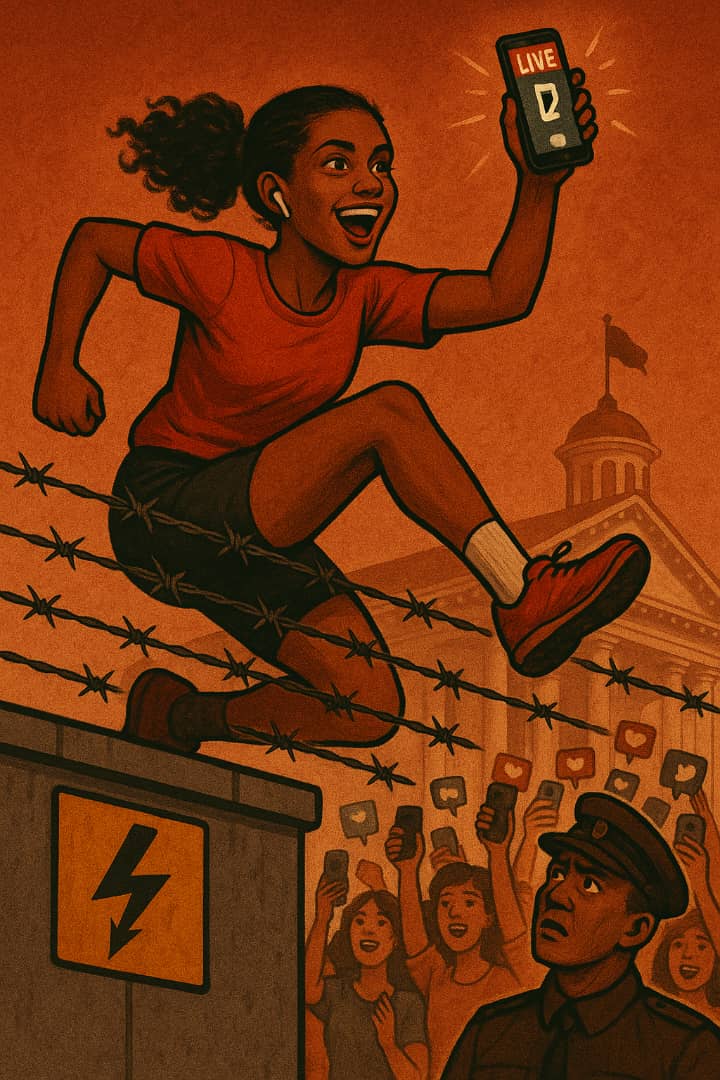
In authoritarian or semi-authoritarian regimes, Gen Z's digital rebellion is dangerous, not because it's loud, but because it’s networked, encrypted, and impossible to suppress without triggering global outrage.
“The revolution will not be televised—it will be streamed.” — Paraphrased Gil Scott-Heron.
VII. Conclusion: The Generation We Cannot Afford to Misunderstand
To fear Gen Z is foolish. To romanticise them is naive. To listen to them is necessary.
“Each generation must discover its mission, fulfil it or betray it.” — Frantz Fanon.
Whether through their memes, their mental health conversations, or their ability to mobilise millions with a single TikTok, Gen Z is not just a cohort—they are a cultural force. They are redefining capitalism, citizenship, and consciousness.
Final Reflection:
The Gen Z effect is not just a trend—it’s a tectonic shift. Those who adapt to their wavelength will thrive. Those who ignore them will become footnotes in the history they will write—likely in 280 characters or less.