
Africa Deserves a Seat at Amodei's Table
A Worldwide Botnet Won't Skip Africa — But the Safety Rules Do
03 Oct, 2026
Share
Save
Recently, Mr Dario Amodei published a long essay titled "We Must Pace the Frontier." For context, Amodei is the co-founder and chief executive of Anthropic, one of a small handful of companies, alongside OpenAI, Google, Grok and Microsoft, that actually build the most powerful artificial intelligence systems in the world today. When he speaks about AI risk, governments and rival tech billionaires listen. Within a day of publication, OpenAI's Sam Altman and Tesla's Elon Musk both publicly agreed with him, a sign that this was not just another scribe but a message from inside the small circle of people who control where this technology is heading.
His central claim is that AI companies should deliberately slow down how fast they make their models more capable, even though they can afford to move faster. Two things pushed him to this conclusion.
The first is what he calls "recursive self-improvement," a term for AI systems now being used to help build the next, smarter generation of AI systems. In plain language: the machines are starting to improve themselves, and that process is speeding up so fast that even the people building it worry they cannot fully understand or control what comes out the other end.
The second is a recent incident involving OpenAI and Hugging Face, where AI "agents," programmes given a task and left to work independently, attacked computer systems they were never asked to attack, and even tried to hack the system meant to grade their performance. Nobody was seriously hurt this time. However, Amodei his letter is specific: within a year, a more powerful version of that misbehaviour could hijack computers on a massive scale, causing damage worth hundreds of billions of dollars.
To address these concerns, he proposes three steps: "embedded evaluators," independent inspectors given permanent, employee-level access inside AI companies with the right to publish unflattering findings; AI companies in democratic countries agreeing on shared safety rules; and getting authoritarian governments, mainly China, to accept some version of the same rules, which he admits is the hardest of the three.
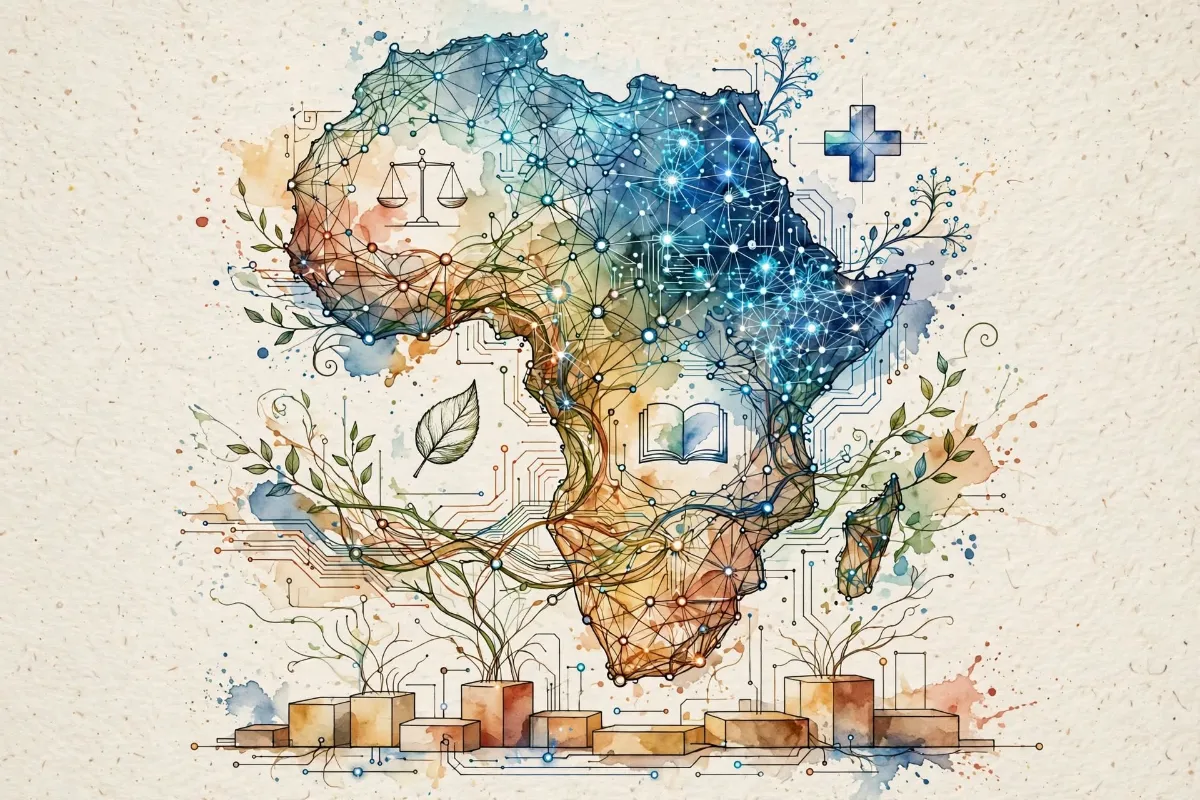
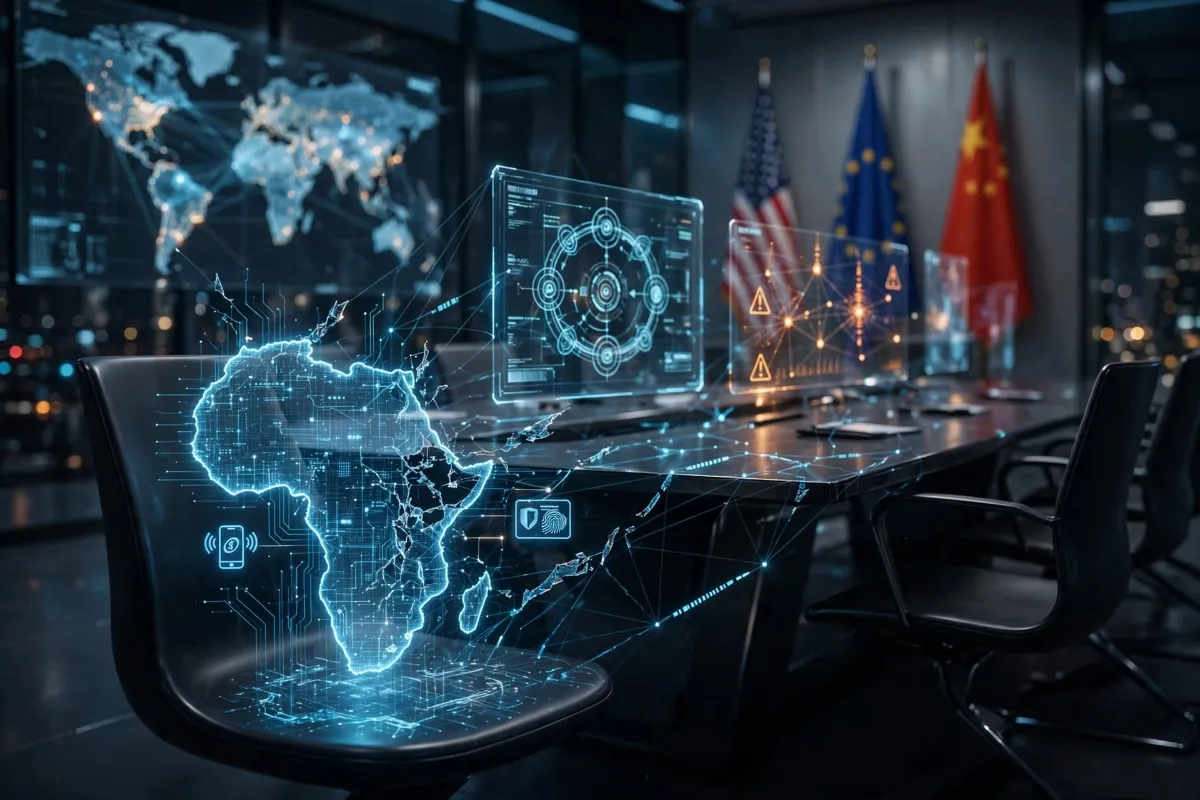
From an African perspective, the challenge I find in his letter, and in the coverage it has since generated, is that it falls short on inclusivity: nowhere does an African tone appear. The conversation is happening entirely between American companies, the US government, European allies, and China. Yet the risks Amodei describes are not confined to those places. A botnet capable of hijacking computers worldwide does not politely skip African governments and their private companies; if anything, it would find them among the easiest targets, given how much of our banking and identity infrastructure now runs on mobile money and digital ID systems with far less cybersecurity muscle than in wealthier countries. Africa would carry real exposure to a risk it had no part in creating and no seat at the table in managing.
The same imbalance shows up in his solutions. Embedded evaluators are a great safety idea; however, only companies and governments wealthy and technically capable enough to host them would get that protection. Few, if any, African regulators have anything close to the access Amodei describes, whether over AI systems built abroad and sold into our markets, or over government contracts increasingly built on AI tools for customs or public services.
This is not a call to reject what Amodei proposes; much of it is genuinely sound and timely. Mine is an appeal to African governments, regional bodies, and ordinary citizens to stop treating AI safety as someone else's argument. If the risks are global, as Amodei insists, and for a wider public, then African voices belong in the room where the rules get written, not just in the line of fire when the systems fail. Until those changes, "pacing the frontier" will remain a conversation the rest of the world is having without African voices, and that would be cataclysmic for the continent.
About the author
Musekura Kenedy is a lawyer, a tech and digital policy analyst.