
Museveni at 81: Uganda’s Struggle Under a President Who Refuses to Leave
Museveni’s journey from bush war hero to entrenched ruler is now widely seen as a story of betrayal.
15 Sept, 2025
Share
Save
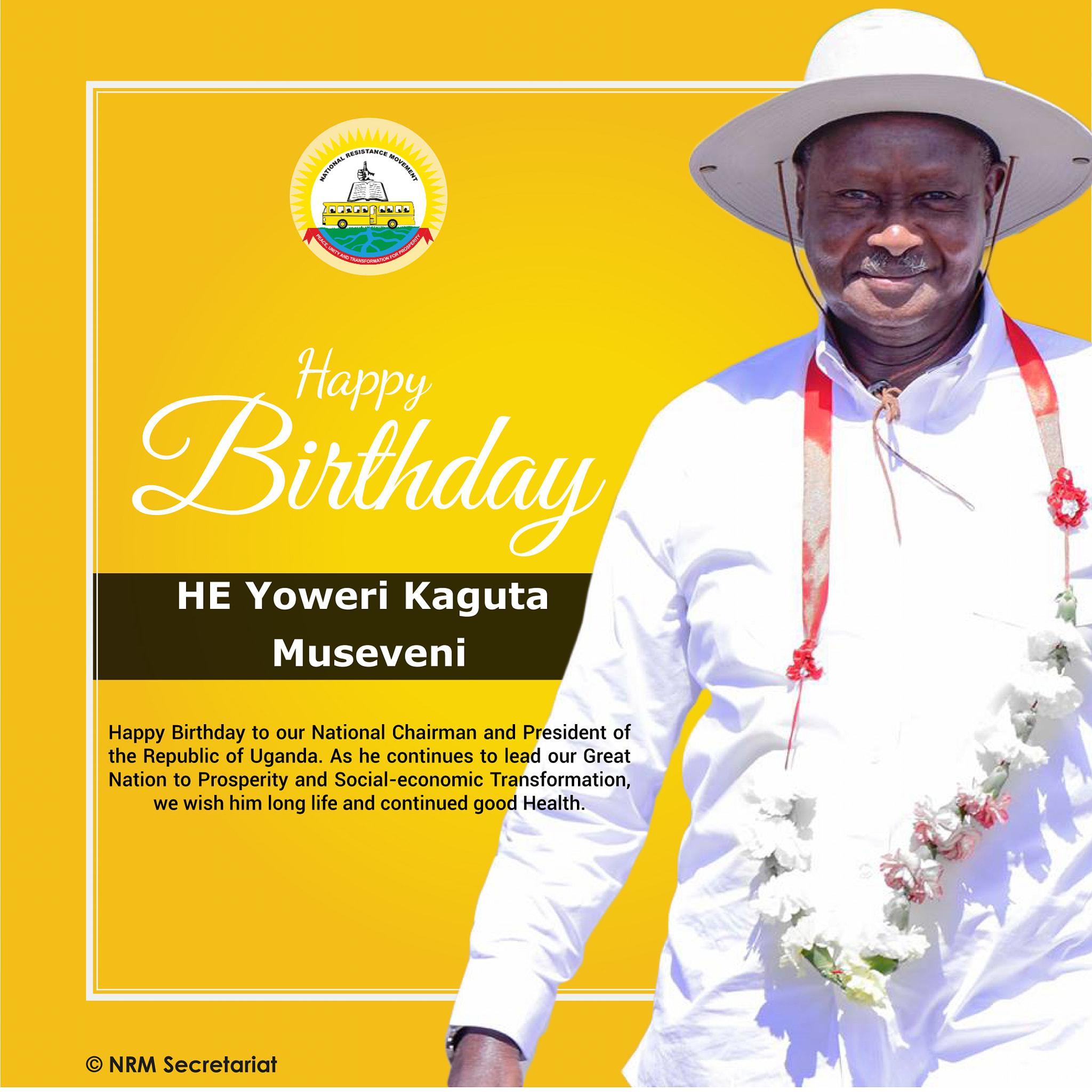
President Yoweri Kaguta Museveni turned 81 on September 15, 2025, marking the milestone with boda boda riders and taxi operators at Kololo Ceremonial Grounds in Kampala. His appearance was designed to highlight solidarity with ordinary Ugandans, and he once again promoted his Parish Development Model (PDM), a program meant to provide low-interest loans to informal workers. “With PDM, you receive 1 million, and after two years, you only repay 1,125,000 shillings,” Museveni declared. Yet, beneath the carefully staged celebrations, many Ugandans saw not a people’s leader but a man who has entrenched himself in power for nearly four decades while presiding over deepening injustice.
Museveni’s journey from bush war hero to entrenched ruler is now widely seen as a story of betrayal. In the 1980s, he promised to liberate Uganda from dictatorship, corruption, and state brutality. He denounced leaders who overstayed their welcome and vowed to restore democracy. However, in 2005, he pushed through the removal of presidential term limits, and in 2017, he abolished age limits, effectively ensuring his ability to rule indefinitely. Today, at 81, Museveni hints at running again in 2026, claiming that Ugandans “force” him to stay. For critics, this reflects not popular demand but political manipulation, where the state machinery has been twisted to serve one man’s survival.
The injustice of Museveni’s rule is most visible in Uganda’s economic and governance failures. While the country’s GDP has grown from $4 billion in 1986 to more than $50 billion today, the benefits are concentrated in the hands of elites. Youth unemployment hovers around 70 percent, leaving millions of young Ugandans disillusioned and angry. Corruption scandals plague the government, with billions earmarked for infrastructure vanishing while roads and services remain in disrepair. As The Independent Uganda noted earlier this year, the failure to address basic infrastructure has become a symbol of systemic rot, where resources are routinely diverted to serve patronage networks rather than the public good.
Repression compounds these economic injustices. Opposition leaders like Kizza Besigye and Robert Kyagulanyi, better known as Bobi Wine, face relentless harassment, arbitrary arrests, and restrictions on their political activities. Journalists, writers, and activists who challenge the regime are silenced through intimidation, torture, or exile. Dissident author Kakwenza Rukirabashaija has repeatedly described Museveni as a tyrant, ridiculing even the official record of his age as a cover for dodging accountability. Museveni himself admitted in May that his government had mishandled detainees, yet human rights violations remain systematic and widespread.
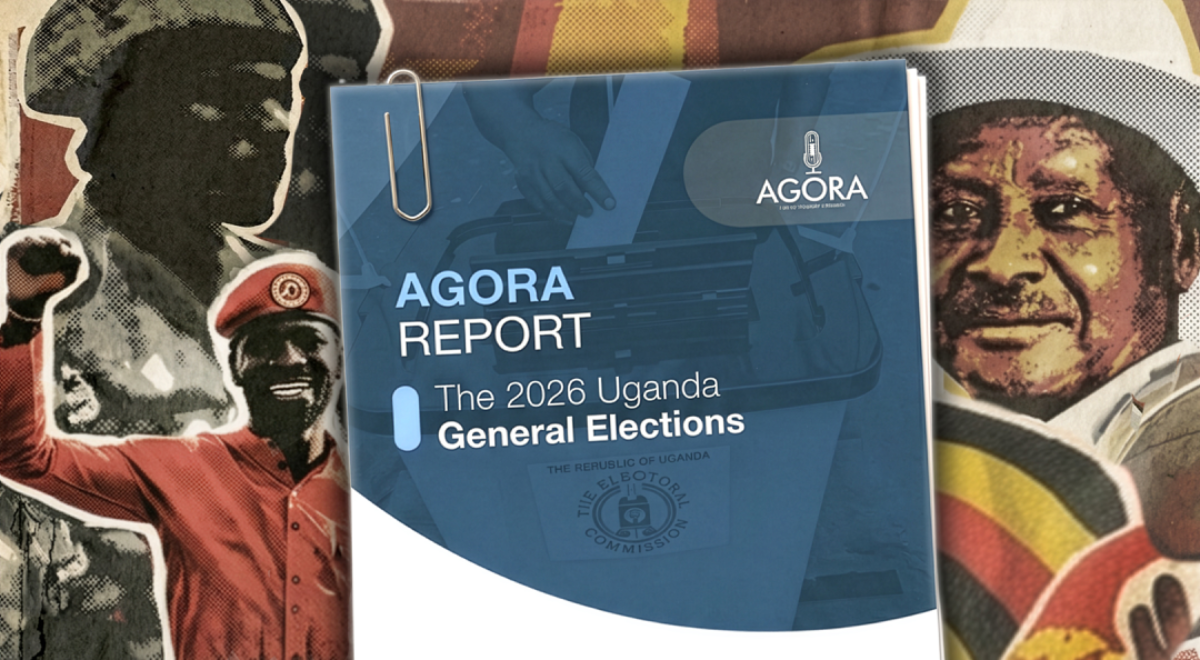
Uganda’s democratic institutions have withered under Museveni’s watch. Elections are neither free nor fair, with each cycle marred by allegations of fraud, violence, and suppression of opposition voices. Even within his own National Resistance Movement, Museveni acknowledged in July 2025 that party primaries were “polluted” by corruption and self-interest, underscoring the collapse of internal accountability. International observers, including the Council on Foreign Relations, warn that Uganda now exhibits the “warning signs” of a failing state: ethnic divisions, weakened governance structures, and economic stagnation sustained by nepotism.
At 81, Museveni faces the question of legacy. Once hailed as a liberator, he is now remembered by many as the oppressor he once fought against. His refusal to step down has fostered a cult of personality that masks a hollowed-out state. As The Observer argued, the problem is not just Museveni’s failure to deliver, but the danger of him dying in office without preparing the country for a peaceful transition. This prospect leaves Uganda vulnerable to instability and unrest, particularly given its youthful population hungry for change.
For many Ugandans, Museveni’s birthday was not a celebration but a reminder of promises broken. Instead of leaving behind a legacy of liberation, he risks being remembered for betrayal, corruption, and repression. The Pearl of Africa, once poised for renewal, remains chained to the ambitions of a single man. Until Uganda sees a democratic transition, the injustice of his prolonged rule will overshadow every milestone he claims.
Photo Credit: NRM Secretariat
About the author
The Critique Magazine is an independent publication dedicated to critical thought, creative expression, and public debate. It serves as a platform where writers, journalists, and thinkers share perspectives on literature, politics, human rights, and social issues affecting society. The magazine encourages open dialogue and challenges conventional ideas through essays, commentary, and analysis.