The Sovereignty Lie: A Bill to Silence a Nation
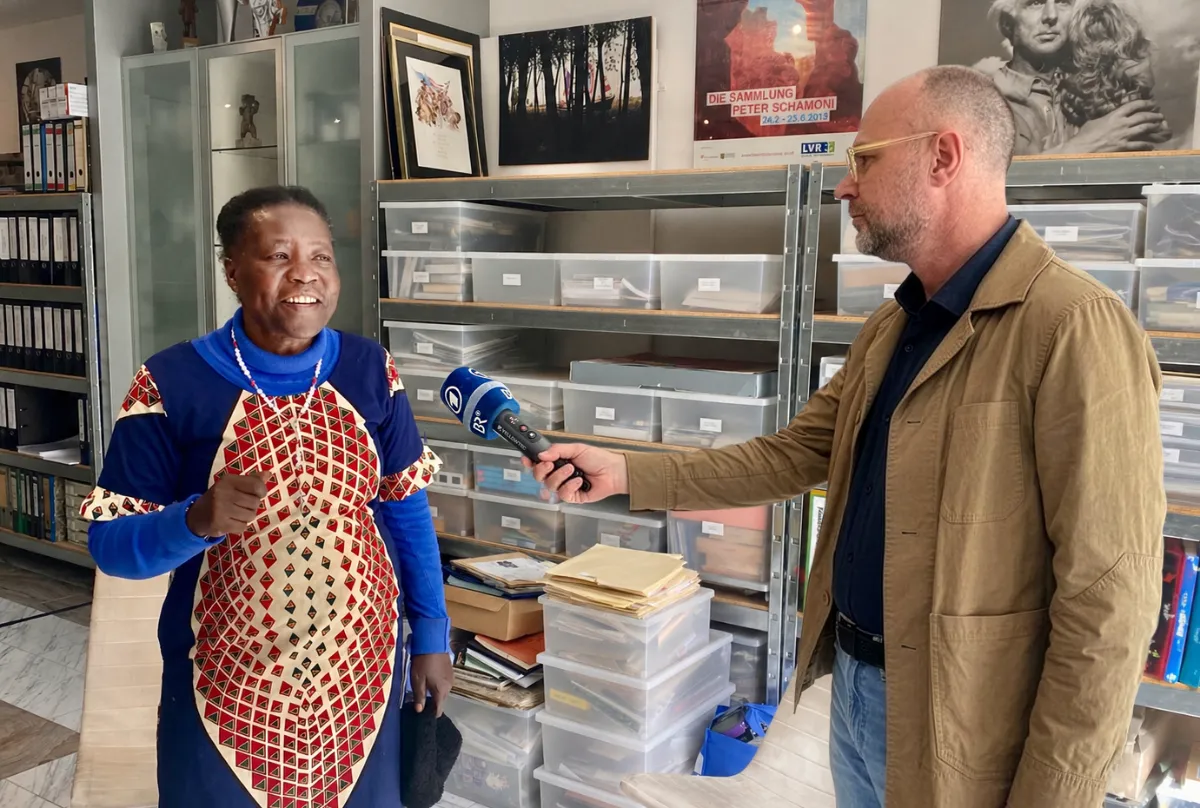
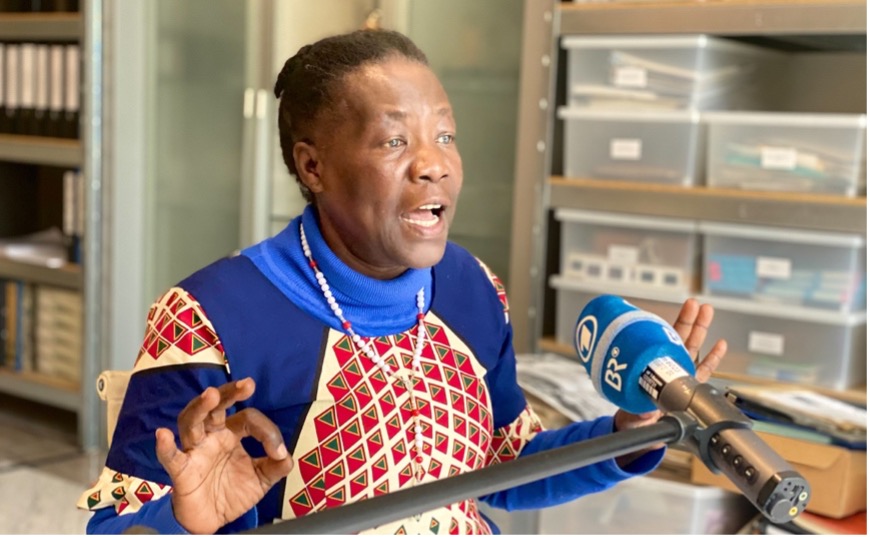
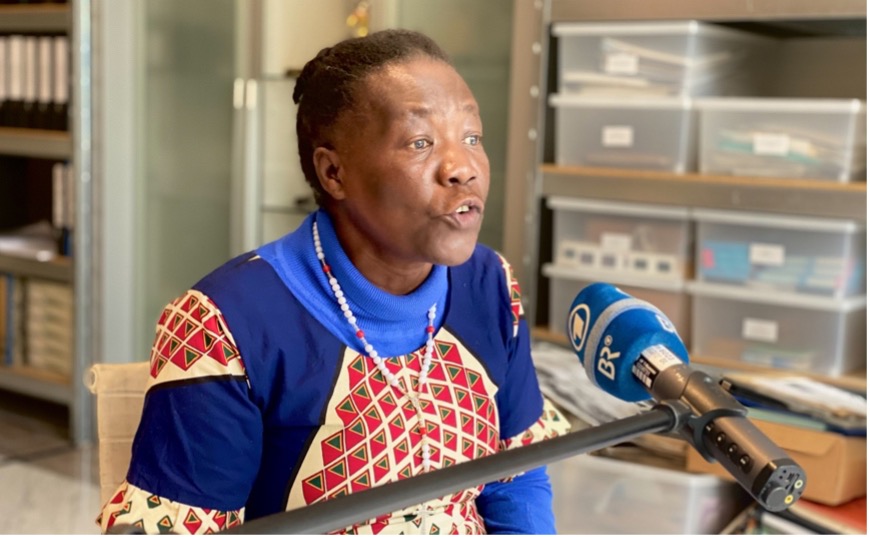
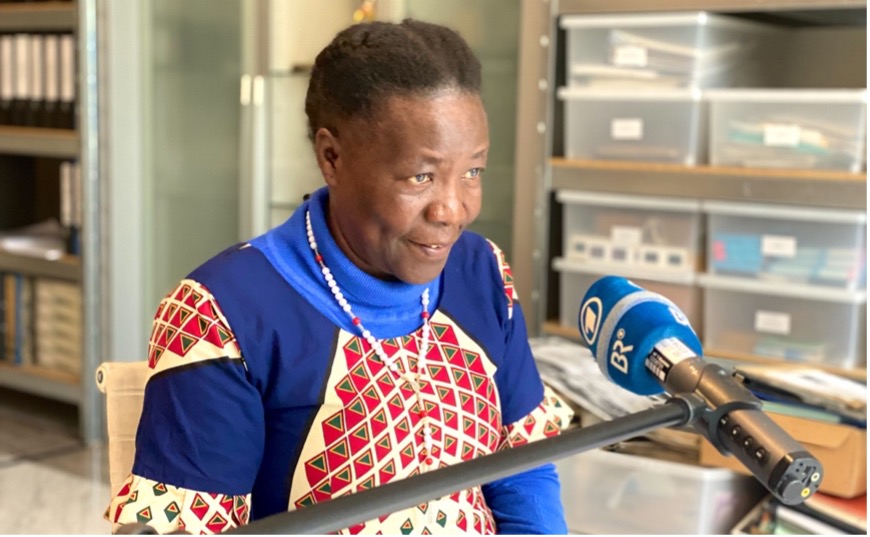
Konrad Hirsch (The Critique Magazine) Interviews Dr Lina Zedriga, Acting NUP President, on the Protection of Sovereignty Bill, 2026.
28 Apr, 2026
Share
Save
The National Unity Platform has submitted a memorandum to Parliament on the Protection of Sovereignty Bill, 2026. Officially, the Bill is presented as an attempt to protect Uganda from foreign interference. Uganda’s largest opposition party sees something very different: an attack on political opposition, civil society, the media, the diaspora, and fundamental constitutional rights.
The Critique Magazine spoke with Dr Lina Zedriga, acting President of the National Unity Platform.
Dr Zedriga, the government calls this the Protection of Sovereignty Bill. Who could be against protecting sovereignty?
No Ugandan who loves their country is against sovereignty. But that is precisely the deception. This Bill does not protect the sovereignty of the Ugandan people. It protects the government's power from the people.
Our Constitution is clear: all power belongs to the people. Sovereignty means citizens can speak, organise, vote, criticise, and hold government accountable. This Bill reverses that logic.
It treats independent citizens, NGOs, journalists, opposition actors, and even Ugandans in the diaspora as potential threats. That is not the defence of sovereignty. It is the confiscation of sovereignty.
What, in your view, is the core of the Bill?
Control. The Bill creates a system in which anyone connected to foreign funding, communication, support, or political engagement can be placed under ministerial permission.
The most dangerous element is the definition of a “foreigner”. It does not only mean non-Ugandans. It includes Ugandan citizens residing outside Uganda. That means a Ugandan who works abroad, studies abroad, or lives in exile can effectively be treated as a foreigner in their own country.
And anyone working with such a person may then be treated as an “agent of a foreigner”. This is absurd, but it is not accidentally absurd. It is politically useful to a regime that wants to criminalise opposition.
The government says Uganda needs such rules to prevent foreign interference. Is that not legitimate?
A state may legitimately protect its security. But Uganda already has laws for that: the Constitution, electoral laws, the NGO Act, anti-money-laundering laws, the Political Parties and Organisations Act, the Computer Misuse Act, and others
If there is illegal funding, investigate it. If there is a crime, prosecute it. But you do not need a law that places criticism of government policy, civic work, research, journalism, and opposition politics under suspicion.
The problem is not a legal gap. The problem is political intention. This Bill does not close a gap. It closes democratic space.
The NUP memorandum says the Bill effectively bans opposition. Is that an exaggeration?
No. If a law can criminalise people for influencing the public to oppose government policy, then it strikes at the very heart of democratic opposition.
Opposition is not opposition to Uganda. Opposition is the proposal of a different political future for Uganda. But when a government equates its own policies with the “interests of Uganda”, every act of criticism can be treated as disloyalty.
That is the danger: the government confuses itself with the state, and the state with the people. That confusion is the beginning of authoritarian law.
Why is the diaspora so central to this Bill?
Because the diaspora matters deeply to Uganda—economically, socially, and politically. Ugandans abroad support families, communities, schools, health care, businesses, and political work.
But for the regime, the diaspora is also difficult to intimidate. Many Ugandans abroad can speak more freely. They can create international awareness. They can support democratic movements.
This Bill seeks to cut that connection. It effectively says: if you are outside Uganda, you are no longer fully part of Uganda’s political body. And if people inside Uganda work with you, they may need permission from the state. That is political disenfranchisement.
What would this mean concretely for the National Unity Platform?
It would seriously endanger our work. NUP is a democratic movement with members in Uganda and across the diaspora. If Ugandans abroad are treated as “foreigners”, then cooperation with them can be criminalised or subjected to government approval.
This affects political communication, fundraising, campaign work, legal support, election observation, and international solidarity. In short, it targets the very structures an opposition party needs to compete against a regime that has been in power for decades.
We do not see this Bill in isolation. It follows earlier attempts to restrict our funding and weaken our organisational capacity. It is part of a pattern.
The penalties are extremely severe — up to 20 years in prison and huge fines. What does that say about the nature of the Bill?
It shows that this Bill is not designed to regulate. It is designed to frighten.
When someone can face 20 years in prison for vaguely defined activities such as policy development, political influence, or allegedly promoting foreign interests, that is not administrative regulation. It is political intimidation.
The penalties are disproportionate. They bear no rational relationship to the stated goal of protecting sovereignty. They create fear. And that is the point: people are expected to censor themselves before the state even acts.
NUP also criticises the process. Why?
Because a Bill of this magnitude must not be rushed through Parliament.
The process has been extraordinarily fast. Stakeholders were invited without sufficient time to study the Bill or consult their constituencies. In some cases, the text was not even easily available through official parliamentary channels. That is unacceptable for legislation affecting fundamental rights, political parties, media, NGOs, the diaspora, and international relations.
Public participation must not be decorative. It must be real. If Parliament listens to people after the political decision has effectively already been made, then that is not consultation. It is a theatre.
Which rights are most directly threatened?
Freedom of expression. Freedom of assembly. Freedom of association. The right to political participation. The right to fair procedure. Also, economic freedoms and the ability of NGOs to work in fields such as health, education, justice, and human rights.
The vagueness of many terms is especially dangerous. Phrases such as “interests of Uganda”, “economic disruption”, or “interfering with Government operations” are so broad that they can be used politically against almost anyone.
A proper law must be predictable. Citizens must know what is lawful and what is not. This Bill creates the opposite: uncertainty as a tool of rule.
Is this also an attack on journalism?
Yes. If publishing information can become criminal because it allegedly weakens the economy or damages national viability, then investigative journalists are directly at risk.
Journalism must be able to expose wrongdoing. Corruption, violence, electoral manipulation, abuse of power — all of that may embarrass a government. But that is exactly why a democracy needs free media.
A state that treats truth as a threat is not protecting sovereignty. It is protecting impunity.
The government may argue that other states also regulate foreign influence. Why should Uganda not do the same?
That comparison is misleading. Regulation of foreign influence can be legitimate if it is clear, narrow, transparent, subject to judicial safeguards, and proportionate.
This Bill is the opposite. It is broad, vague, politically controllable, and backed by draconian penalties. It gives enormous power to the Minister of Internal Affairs. And the Minister is not an independent judge. He is part of the executive and politically answerable to the President.
A democratic law protects institutions from abuse. This Bill creates opportunities for abuse.
What does this Bill tell us about the state of Uganda today?
It shows that the regime no longer derives legitimacy from consent, but from control.
A government confident in the support of its people does not fear NGOs, the diaspora, journalists, opposition parties, or public debate. It argues. It persuades. It allows criticism.
When a government treats criticism as foreign interference, it reveals its weakness. This Bill is not a sign of strength. It is a sign of fear.
What does NUP demand?
We demand that the Protection of Sovereignty Bill, 2026, be withdrawn in its entirety.
Not cosmetic amendments. Not a softer version of the same idea. The Bill is structurally wrong. It is unconstitutional, dangerous, and hostile to democracy.
Uganda does not need laws that turn citizens into suspects. Uganda needs institutions that protect the people, not the government, from the people.
What would genuine sovereignty look like for Uganda?
True sovereignty begins with respect for citizens. It means people can speak, vote, organise, criticise, and participate without fear.
It also means economic independence, strong institutions, the rule of law, the fight against corruption, and a government that does not survive through repression.
A state is not sovereign because it controls its citizens. A state is sovereign when its citizens are free.
What is your message to Ugandans in the diaspora?
You are not foreigners. You are Ugandans. Your voice matters. Your connection to Uganda is not diminished because you live, work, study, or seek safety abroad.
Many people did not leave by choice. They left because they needed work, security, education, or political freedom. The state has no right to punish them for that.
The diaspora is part of Uganda. Any attempt to politically alienate it is an attack on the nation itself.
And your message to the international community?
Pay close attention. This Bill is not a technical administrative measure. It is a political instrument.
Anyone who cares about democracy, the rule of law, and human rights in Uganda should not treat this Bill as an internal formality. It affects media freedom, political pluralism, civil society, diaspora rights, and the integrity of future elections.
Uganda needs partnership, but not silent tolerance of authoritarian legislation.
Dr Zedriga, if the Bill is passed, what remains for the opposition?
What has always remained: the Constitution, the people, and the duty not to be silent.
Repression can make organisation harder. It can frighten people. It can manipulate procedures. But it cannot permanently replace the truth.
The question is not only whether this Bill will pass. The larger question is whether Ugandans will accept that their constitutional rights are being turned, step by step, into matters of government permission.
Our answer is clear: sovereignty belongs to the people. Not to a minister. Not to a party. Not to a president. To the people.
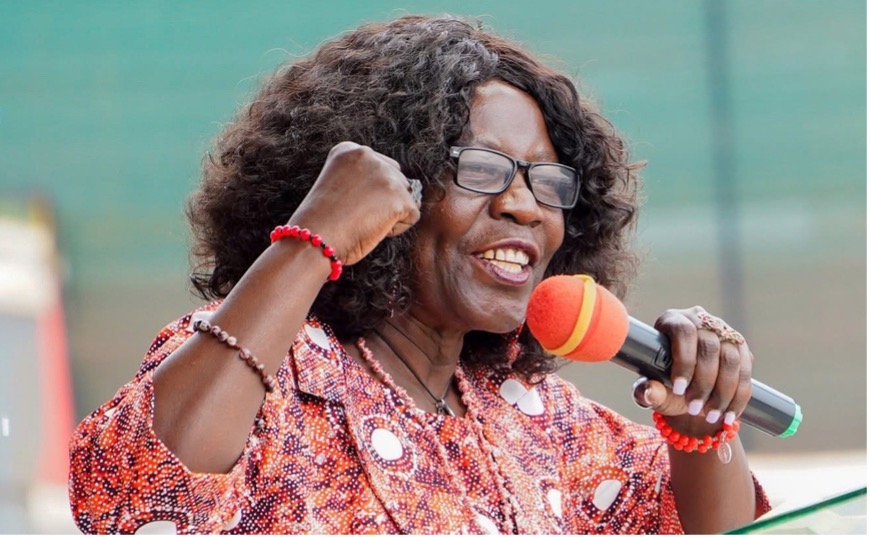
Dr Lina Zedriga is a Ugandan lawyer, academic, and peace and conflict scholar with extensive experience in constitutional law, governance, and civil society engagement. She currently serves as Acting President of the National Unity Platform, Uganda’s leading opposition party, where she focuses on the rule of law, democratic accountability, and political reform. Zedriga has taught and lectured internationally and is widely regarded as a prominent voice on justice, constitutionalism, and democratic transition in Uganda.
Photo Credit: Kampala Lookman
About the author
The Critique Magazine is an independent publication dedicated to critical thought, creative expression, and public debate. It serves as a platform where writers, journalists, and thinkers share perspectives on literature, politics, human rights, and social issues affecting society. The magazine encourages open dialogue and challenges conventional ideas through essays, commentary, and analysis.