
Elections Without Illusions
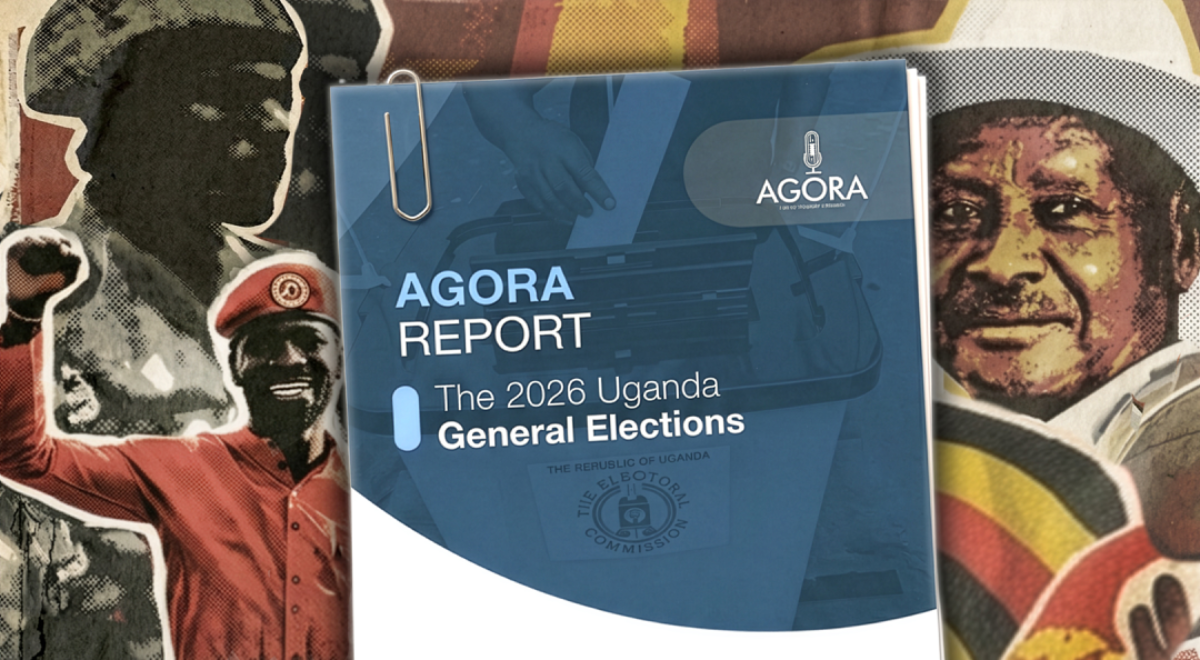
AGORA presents its report on Uganda’s 2026 elections
22 Apr, 2026
Share
Save
There are moments when a report does more than inform—it quietly shifts the ground on which a situation is understood. The new AGORA report on Uganda’s 2026 general elections is such a document. It does not read like a conventional observer brief, nor like the carefully hedged language of diplomatic reporting. It is restrained, methodical, and precisely for that reason, politically sharp.
AGORA is an independent civil society organisation combining election monitoring, legal advocacy, and documentation. Its particular strength lies in linking field observation with direct legal casework—an approach that gives its findings unusual evidentiary depth.
What stands out immediately is the discipline of its methodology. AGORA does not rely on impressions or second-hand aggregation. The report is built on a layered structure: field monitoring across the country, interviews with victims and witnesses, and—crucially—direct access to legal documentation through the organisation’s own representation of detainees.
Charge sheets, remand warrants, court records—these are not referenced at a distance but from part of the evidentiary backbone. At the same time, the report is careful where certainty is not possible: fear among witnesses, restricted access, and the nationwide internet shutdown limited verification.
That restraint does not weaken the report. It anchors it.
And then there is the central finding, which unfolds not as a headline but as a pattern: the violence was not incidental. It was structural.
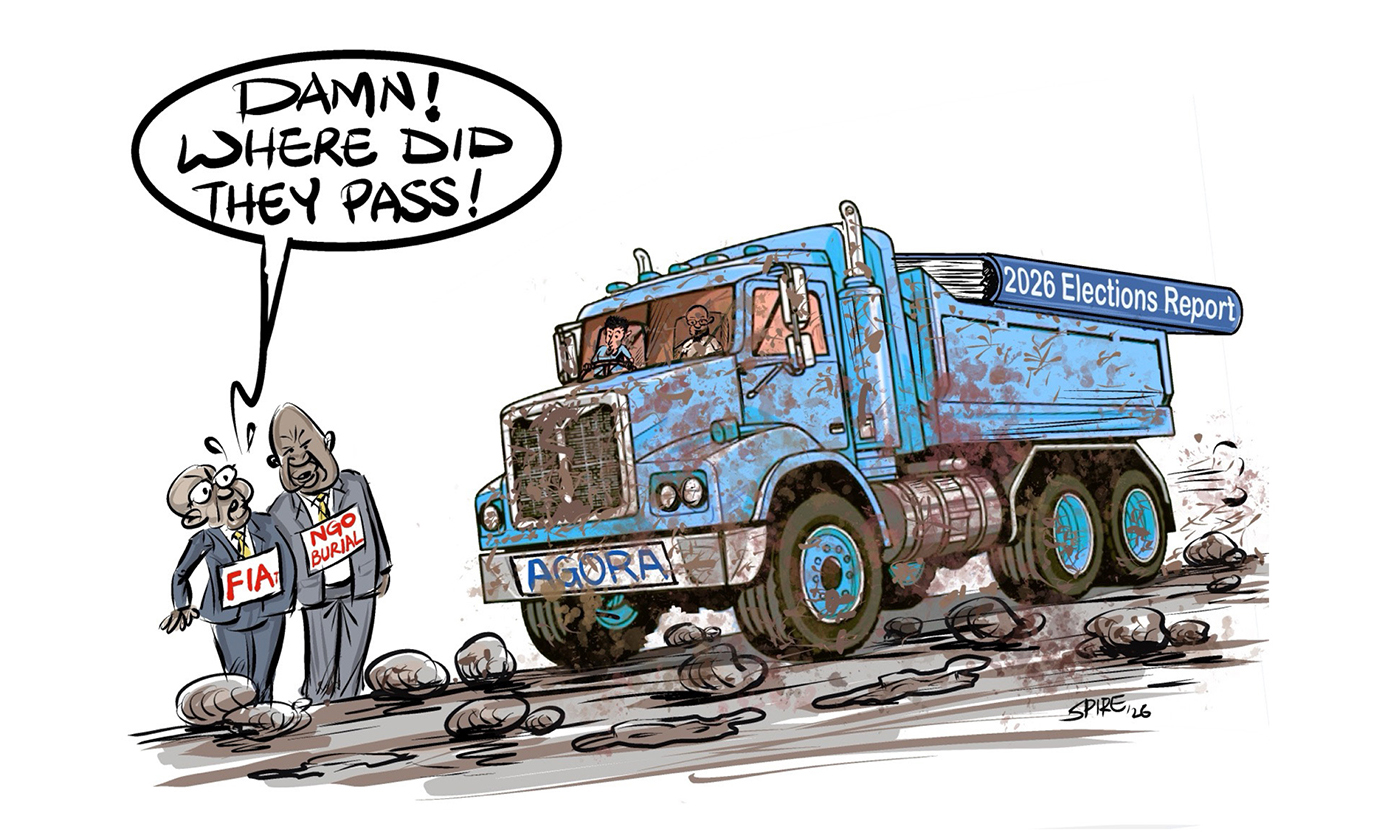
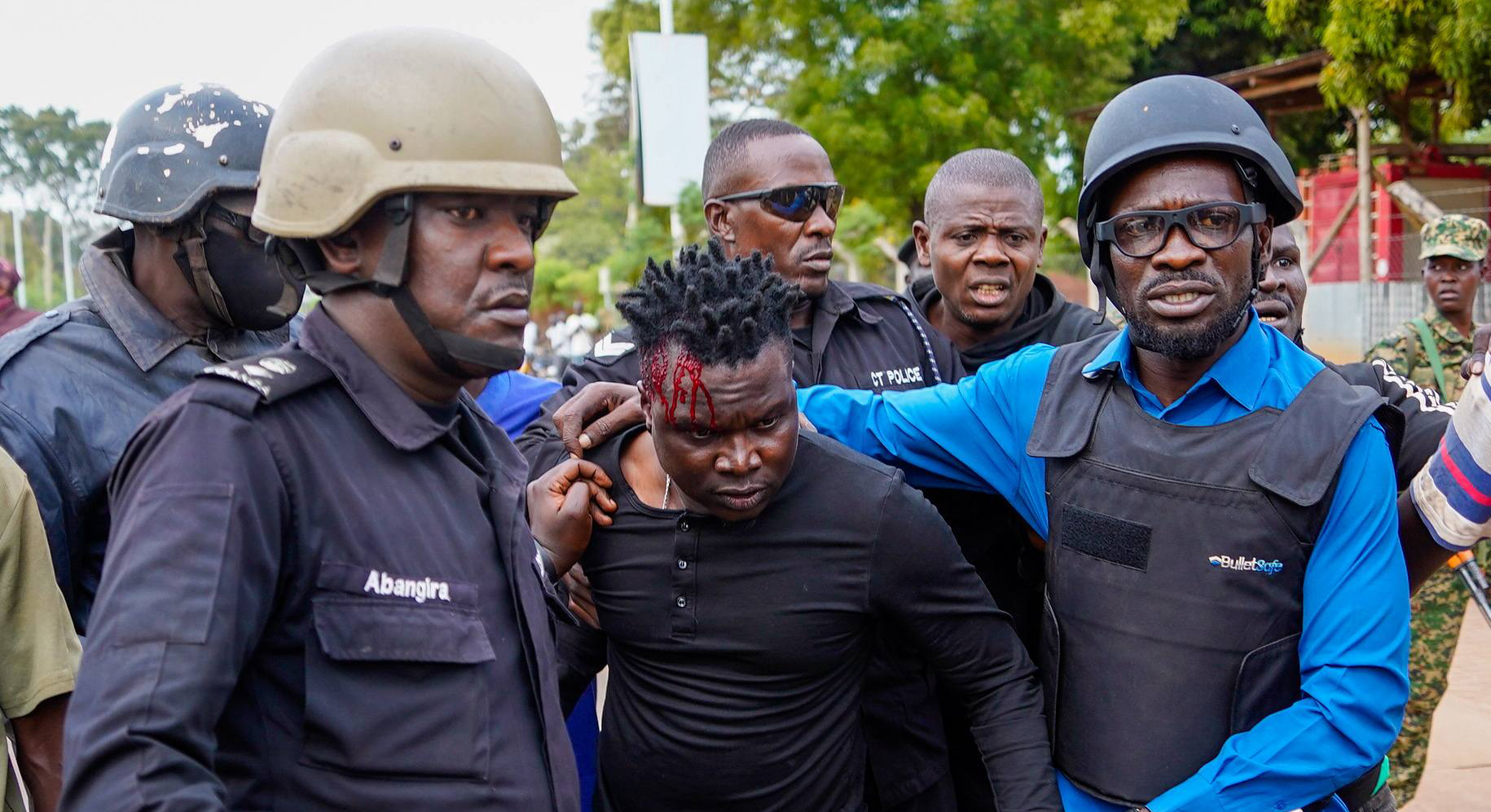
The report’s detailed listings—names, places, sequences of events—create a particular kind of reading experience. There is no rhetorical escalation, no attempt to dramatise. Individuals were killed at campaign rallies, civilians were shot around polling stations, people were beaten, detained, or simply disappeared after arrest.
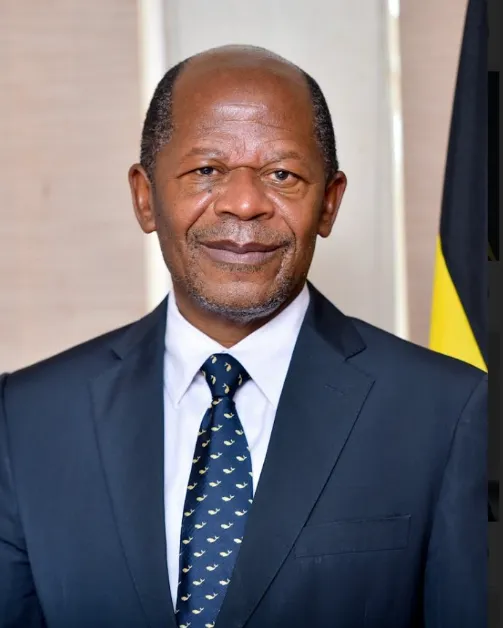
In one of these cases, we have reported in detail on the abduction of Dr Lina Zedriga, who was taken from her home in Gayaza on election night—accompanied by charges so implausible that they underline the broader pattern, as well as the legal classification of such arrests as arbitrary detention.
The accumulation of these cases produces its own clarity. What emerges is not a series of excesses, but a system in which coercion becomes part of the electoral environment. Behind these patterns remain individual lives—cases that, in isolation, might be dismissed, but in accumulation reveal their full political meaning.
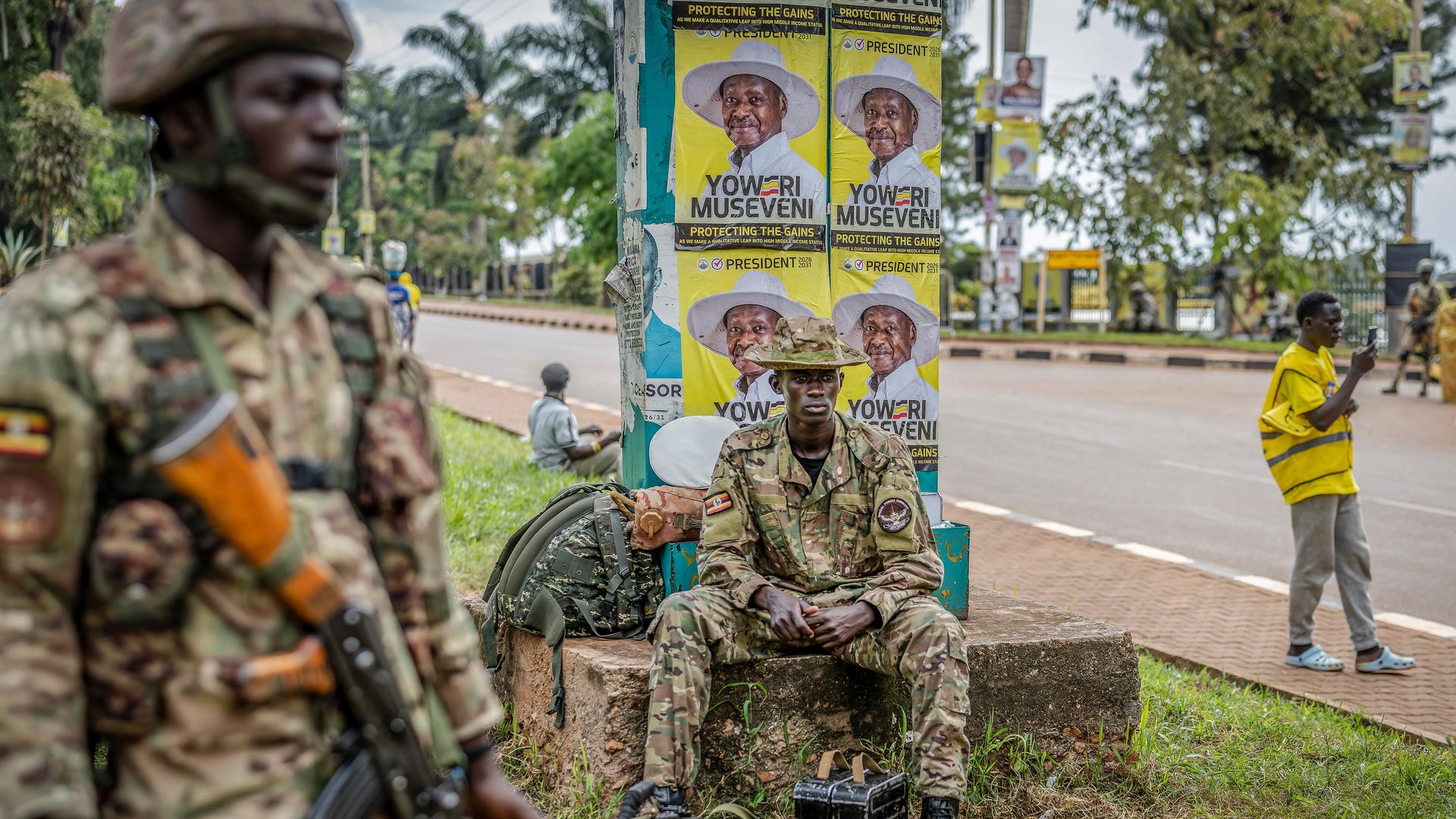
From there, the report moves beyond incidents and begins to describe architecture. It shows how different layers interact: the presence of the military not as an exception but as an organising force; institutions that are formally independent yet act in ways that suggest alignment; a justice system that, at key moments, does not function as a corrective.
The patterns repeat across categories. Arbitrary arrests on a wide scale, often without due process. Abductions reframed as “arrests,” without legal traceability. The closure of civil society organisations and the obstruction of election observation. The shutdown of the internet at the most sensitive phase of the vote.
None of these measures stands alone. Together, they form a controlled environment.
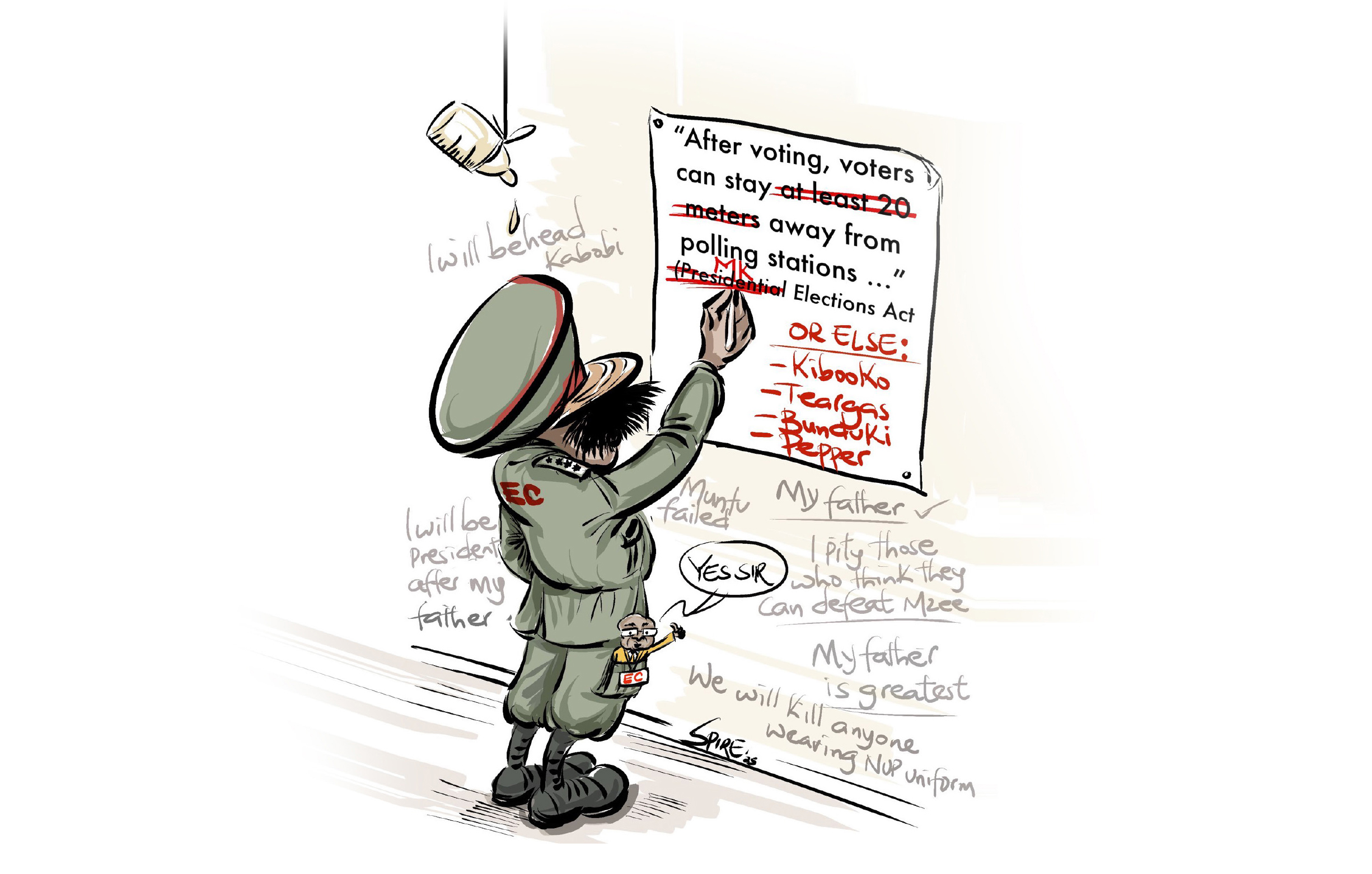
What the report ultimately captures is a shift: elections continue to take place, but the conditions under which they occur are increasingly managed. What emerges is a model of what could be described as “managed elections”: processes that retain their formal structure while their outcomes are increasingly shaped in advance.
And yet, the formal framework remains intact. The Constitution is in place. Uganda is bound by international legal instruments guaranteeing political participation and free elections.
This coexistence of legal commitment and practical deviation is perhaps the report’s most important insight. The erosion of democracy does not necessarily happen through rupture. It can unfold through sustained divergence between law and practice.
AGORA’s recommendations reflect this understanding. They are specific, grounded, and in many cases long overdue: a clear separation between military and electoral processes; restoration of judicial independence; reform of electoral laws to address incumbency advantage; protection of civil society space; meaningful inclusion of marginalised groups.
One point stands out in particular: election observation must be treated as a process, not an event.
It is a quiet but direct critique of how elections are often assessed internationally.
What deserves particular recognition, however, is the work behind this report. Producing documentation of this depth in an environment explicitly described as hostile is not a technical exercise—it is a political act.
The AGORA team has managed to combine proximity and discipline: close enough to access legal cases and personal testimonies, yet rigorous enough to filter, verify and structure them into a coherent body of evidence. This balance is rare. It requires not only methodological clarity but also trust, networks, and persistence under pressure.
In contexts where documentation itself carries risk, the act of recording becomes a form of protection—of memory, of evidence, of accountability. The report does exactly that. It does not amplify voices for effect; it stabilises them into a record. It does not speculate; it substantiates.
Beyond its findings, the report points to something more fundamental: the persistence of documentation under pressure. It transforms individual cases into patterns, and patterns into something that cannot easily be dismissed.
The report does not rely on rhetoric. It does not need to. Its argument lies in accumulation, in structure, in the consistency of what it documents.
Beyond its findings, the report points to a broader question: what is the actual force of such documentation once it leaves the context in which it was produced? Reports like this circulate quickly through international channels—diplomatic briefings, donor frameworks, human rights monitoring systems. They are read, cited, and acknowledged.
And yet, their immediate consequences are often limited. The translation of evidence into political action remains selective, shaped less by the clarity of documentation than by strategic considerations.
Their significance lies elsewhere. Over time, such reports accumulate into a body of record that is difficult to ignore. They frame how situations are understood, they set reference points for future assessments, and they establish a baseline against which official narratives can be measured.
In that sense, their power is indirect but persistent. They do not intervene. They endure.
And it leaves behind a question that extends beyond Uganda:
At what point do elections, still held, still counted, cease to function as an expression of political will—and become a mechanism for confirming what has already been decided?
The AGORA report cannot resolve that question. But it makes it hard to avoid.
About the author
Konrad Hirsch is a filmmaker and journalist based in Berlin. He works across East Africa and Europe and writes about society, power and the fragile art of coexistence.