.webp)
Fear as a Tool of Management
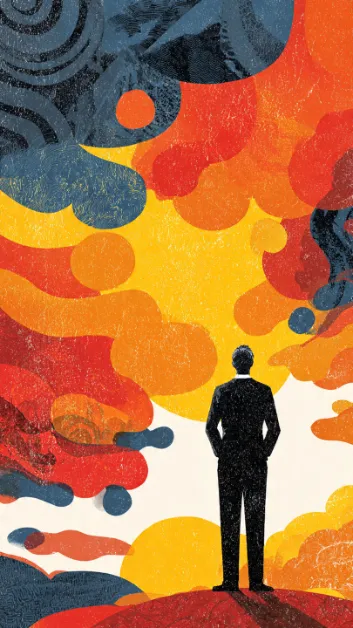
We are told the law makes us equal—yet power now belongs to those who believe they are beyond morality, consequence, and humanity.
24 Jan, 2026
Share
Save
The world we inhabit today is built on a grand narrative that we are all equal under the law, yet a glance at the machinery of power reveals a much darker reality. We are witnessing the rise of a class of people who no longer believe they are bound by the same physical, moral, or constitutional limits as the rest of humanity.
This group operates with the quiet confidence of a criminal syndicate, convinced that their wealth and influence have placed them above the natural laws of justice and the foundational documents of our societies. They don't see themselves as public servants or even as fellow citizens; they see themselves as the architects of a reality where the rules are tools for the weak and obstacles for the strong.
By abandoning the moral compass that connects us all, they have turned the pursuit of power into a religion where the only sin is losing control.
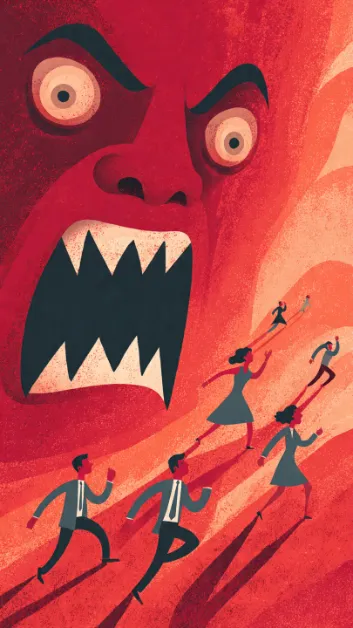
This control is maintained not through open warfare, but through an elaborate illusion that makes the public feel small and helpless. To achieve this, the modern system relies on four devastating pillars: fear, disease, poverty, and ignorance.
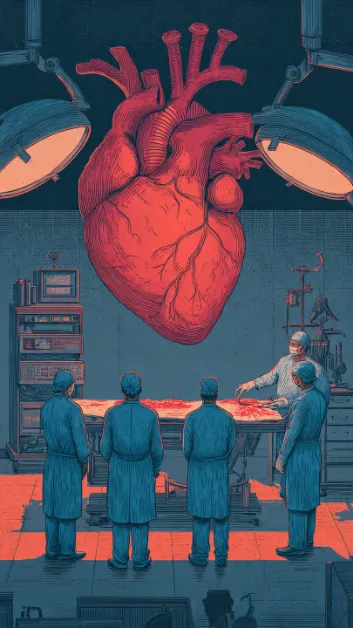
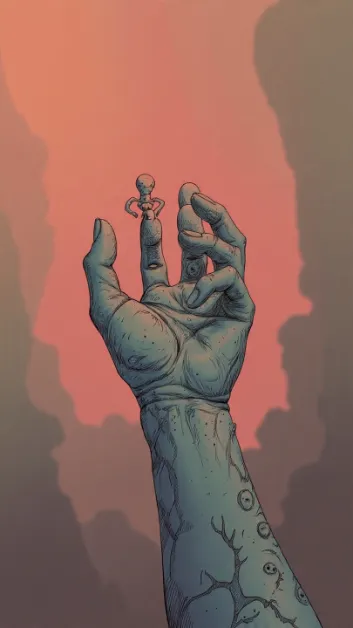
These are not accidental problems that a benevolent government is trying to solve; they are the very soil in which the seeds of authoritarianism grow. When a population is terrified of a constant stream of invisible threats, they will trade their most basic freedoms for the promise of a safety that never truly arrives. When health is turned into a commodity and disease is used as a lever for compliance, the human body itself becomes a site of political negotiation. We must ask ourselves if we are actually being cared for, or if our dependency is being manufactured to ensure we never have the strength to stand on our own.
Poverty and ignorance complete this cycle by trapping the mind in a state of survival. A person who is constantly worried about where their next meal will come from or how they will pay their rent does not have the luxury of philosophical reflection or political resistance.
They are effectively kept in a mental prison where the bars are made of debt and exhaustion. Coupled with an educational system and a media landscape that prioritises entertainment over true knowledge, the public is left without the vocabulary to even describe the injustice they feel.
If you don't know that you are being lied to, the lie becomes your truth. If you don't understand the history of how power works, you will mistake your chains for jewellery. This raises a profound moral question: Is a person truly free if their choices are limited by a lack of information they didn't even know they were missing?
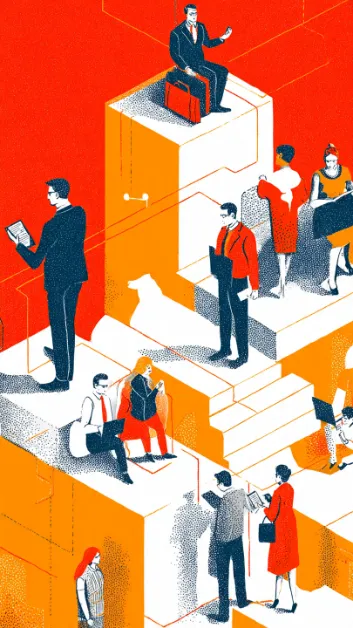
To keep the masses from looking up at the people pulling the strings, a massive apparatus of distraction has been constructed. This is the theatre of modern politics, where we are encouraged to hate our neighbours over manufactured cultural divides while the same groups continue to drain the world's resources.
We are told to pick a side in a game where both teams are owned by the same sponsors. This constant noise serves a singular purpose: to prevent us from seeing that the real conflict is not between left and right, but between those who believe they own the world and those who are being owned by it.
We are fed a steady diet of petty arguments to ensure we never develop the unity required to challenge the syndicate that operates behind the curtain.
Ultimately, the suffering we see across the globe is the result of a profound spiritual and intellectual crisis. We have allowed ourselves to be convinced that some people are simply "better" or "more important" than others, permitting them to ignore the laws of nature and the rights of the individual.
But we must challenge our own sense of understanding: Why do we obey systems that clearly do not have our best interests at heart? Why do we accept a world where poverty is a policy choice, and fear is a management tool?
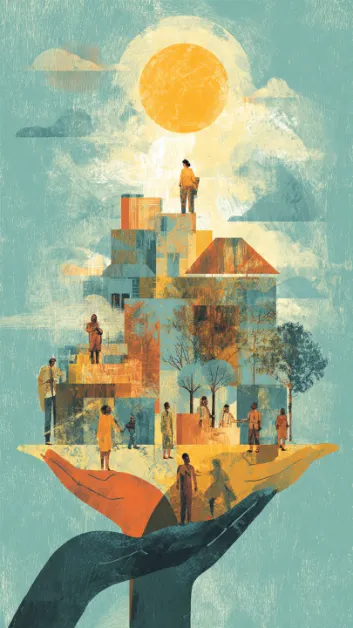
The power of this global syndicate is not absolute; it is an illusion that survives only because we agree to participate in it. True knowledge begins with the realisation that the law should be a mirror of our shared humanity, not a weapon used to extract our life force. Until we reclaim our moral agency and refuse to be distracted by the spectacle, we will remain characters in a story written by people who do not care if the ending is a tragedy.
About the author
Life has made me a curious and passionate wordsmith, seeking to understand the human experience through writing and reading. With each sentence, I unravel the mysteries of thought and emotion, connecting with others on a profound level. My love of words is a quest to share in the beauty and complexity of human souls.