The Rift at the Heart of Kenya: The Crisis Between Ruto and Gachagua
Ruto's fragile political relationship with Gachagua
13 Feb, 2025
Share
Save
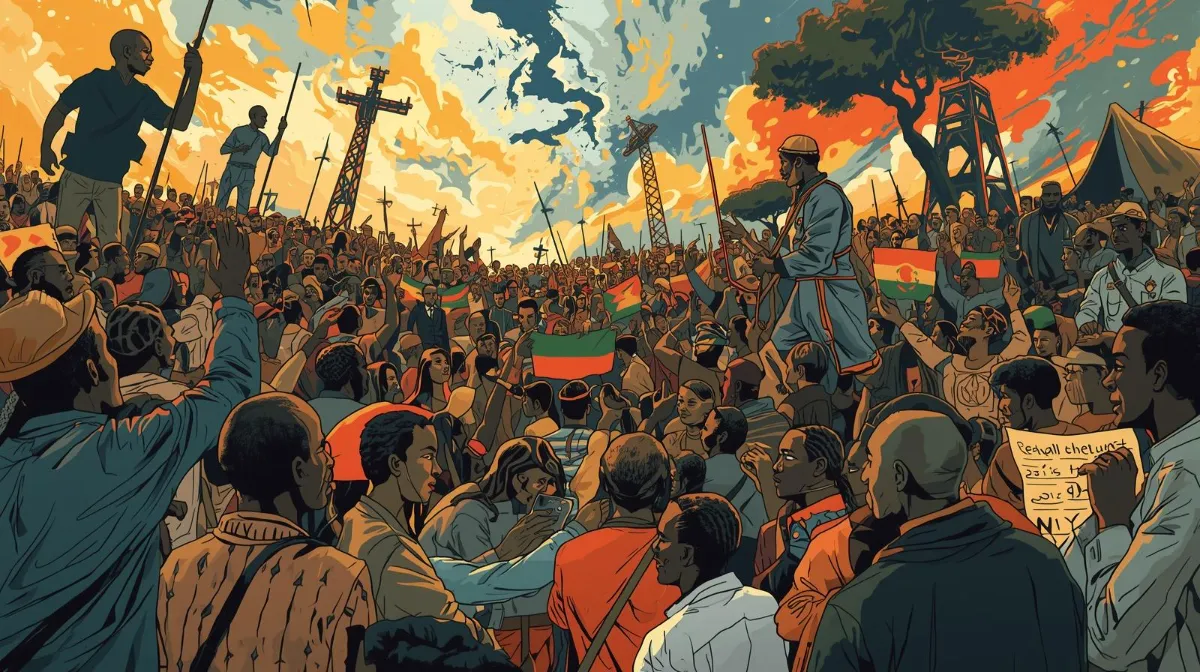
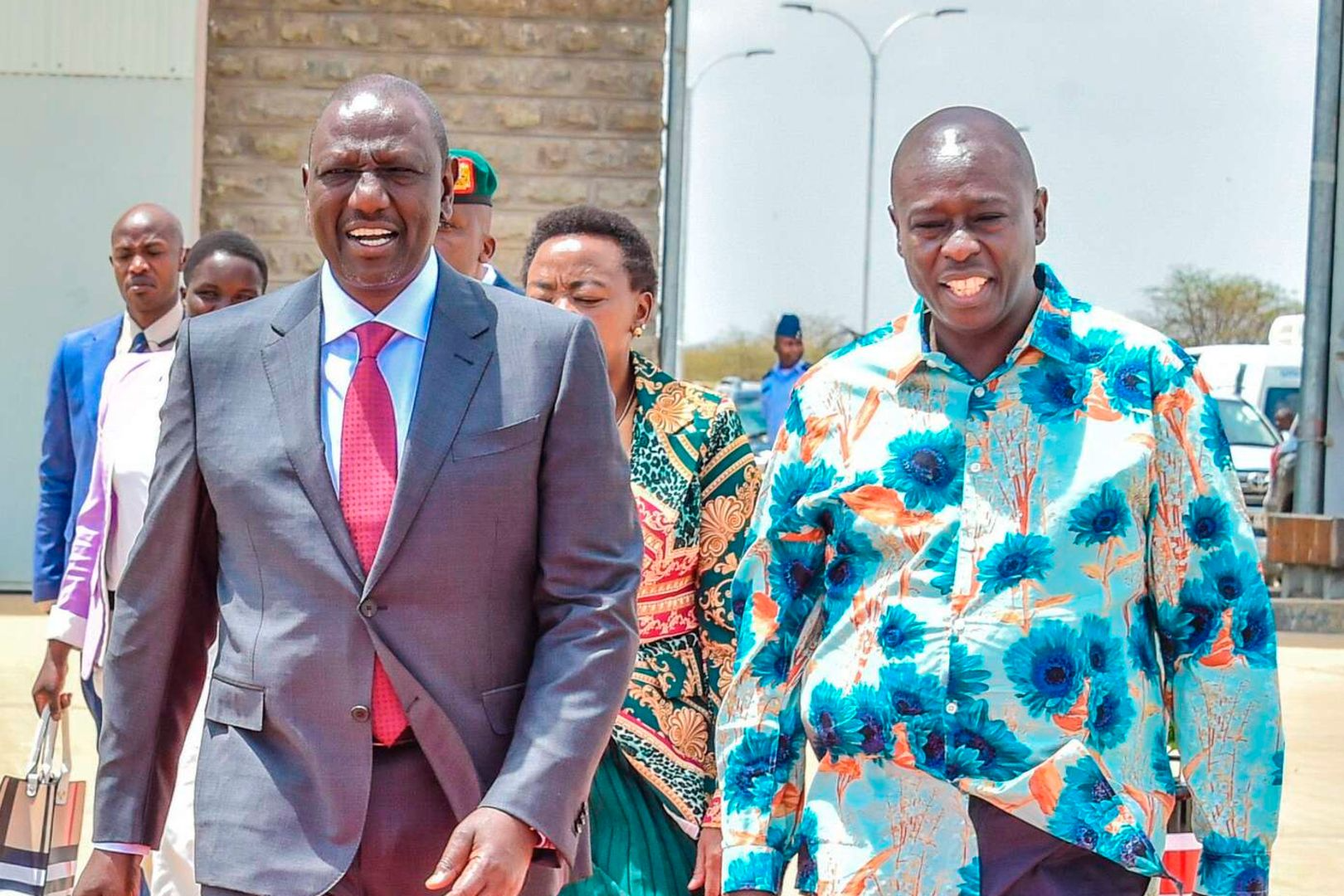
Kenya’s political landscape has been rocked by a dramatic and unprecedented crisis: the rift between President William Ruto and his Deputy, Rigathi Gachagua. What began as a political alliance built on shared ambitions has now become a fierce battle, culminating in Gachagua's impeachment and the collapse of one of the country’s most significant political partnerships.
The Genesis of the Rift
Ruto and Gachagua initially appeared inseparable as they campaigned together in the 2022 general elections. Gachagua, a seasoned politician from central Kenya, played a key role in securing vital support from his region. The duo’s victory seemed assured, with their bond representing the hope of political stability and progress for many.
However, cracks began to show in their relationship as they navigated the intricacies of governing a diverse nation with competing interests. Allegations of ethnic favouritism, corruption, and insubordination emerged, with Gachagua often being accused of undermining the president's authority in favour of his agenda. The tensions between them became more palpable as their policies clashed and Gachagua's public statements grew more contentious.
Impeachment Proceedings: A Historic Moment
The rift reached a boiling point in October 2024, when a motion to impeach Gachagua was introduced in the Kenyan Parliament. He faced eleven charges, including corruption, incitement of ethnic tensions, and a series of constitutional violations. The charges were seen as both a reflection of his controversial tenure as deputy president and a strategic move by Ruto to regain control over a fractured political landscape.
On October 8, 2024, the motion passed with overwhelming support in the National Assembly, with 281 MPs voting for Gachagua's removal and only 44 MPs opposing. This marked a historic first in Kenya's political history: the impeachment of a sitting deputy president.
The Senate’s Role and the Aftermath
Following the impeachment vote in the National Assembly, the matter moved to the Senate. Gachagua pleaded not guilty to the charges, but his defence fell short. Despite his health scare and hospitalization, the Senate proceeded with the trial, eventually upholding five of the eleven charges against him. The decision to remove Gachagua from office was officially made on October 17, 2024.
The aftermath of the impeachment was nothing short of dramatic. Gachagua claimed that his security detail had been withdrawn and accused his political adversaries, including figures within Ruto's administration, of attempting to poison him. He framed the impeachment as a political manoeuvre to eliminate him from the equation, thereby weakening his influence.
Political Repercussions and Power Struggles
In the wake of the impeachment, Ruto nominated Interior Minister Kithure Kindiki as the new deputy president. This move, however, was not without controversy. A Kenyan high court temporarily blocked the appointment, creating yet another chapter in the ongoing saga of political intrigue and legal challenges.
For Kenya, the crisis between Ruto and Gachagua goes beyond personal animosity—it symbolizes the fragility of political alliances in a country deeply divided along ethnic and political lines. The ethnic dynamics, especially between Ruto's supporters and Gachagua’s base in central Kenya, have further complicated an already volatile political climate.
A Divided Nation
This political crisis has revealed just how fragile Kenya’s political unity can be. Ruto’s government, struggling with internal dissent and external pressures, must now navigate the delicate process of rebuilding trust with the electorate. The public's dissatisfaction with government policies, particularly regarding taxation and economic reforms, has only fueled protests, further complicating the situation.
As the drama unfolds, it is clear that Kenya's political future hinges on how its leadership confronts both personal ambitions and the national interest. The rift between Ruto and Gachagua, while personal, reflects the larger systemic issues of governance, trust, and accountability in the nation’s leadership.
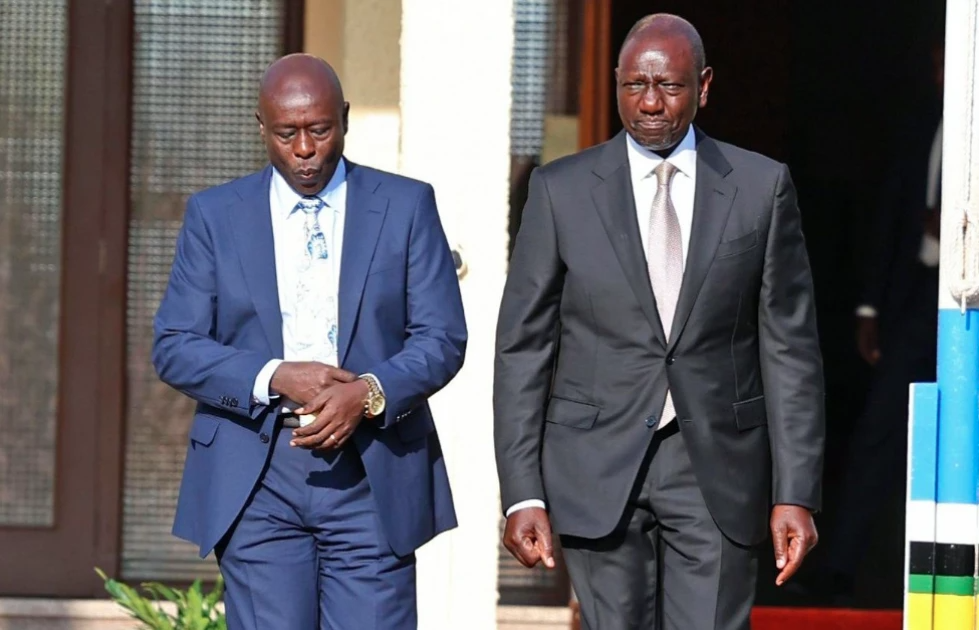
In conclusion, the crisis between Ruto and Gachagua is more than just a political feud; it is a manifestation of the deepening tensions within Kenya’s ruling elite and a test of the country’s resilience in the face of internal conflict. As Kenya watches this political drama unfold, its citizens are left wondering what the future holds for a government fractured by power struggles and conflicting ambitions.
About the author
Arinaitwe Reagan is a Ugandan wordsmith, philosopher, and social activist. His existence is a testament to the transformative power of language, which he wields to challenge societal norms, spark meaningful conversations, and inspire positive change. A voracious reader and astute observer of human nature, Reagan's literary pursuits are informed by a deep-seated desire to understand the complexities of the human condition. His poetry and prose are infused with a sense of wonder, curiosity, and empathy, reflecting his commitment to exploring the intricacies of the human experience. As a passionate public speaker, Reagan has honed his ability to convey complex ideas with clarity, conviction, and charisma. His oratory skills are matched only by his capacity for active listening, which enables him to engage with diverse perspectives and foster inclusive dialogue. Through his writing, speaking, and activism, Reagan seeks to contribute to a more just, equitable, and compassionate world. His work is a testament to the enduring power of words to inspire, educate, and uplift humanity. He completed his primary level from St.Joseph's Preparartory School (2017)in greater Bushenyi in Western Uganda and later in 2018 he joined the most prestigious boys School in East Africa where he notably established himself as the class coucillor in 2019,moat informed student 2019,president Debate Club president Writer's Club,President Peace Club,as well as the school junior head prefect. He participated in Olympics Youth Camp in 2018 just as a young lad in form one,represented Uganda in Yale Young Africa's Scholar Program 2018,finalist in the Uganda World Bank Bank Debate Championship 2019,founding president Divine Mentorship Hub to train young breeds of leaders for Africa's next generation .He is a true Pan Africanist who participated in the Transformation Citizens Encyclopedia (TRACE),won National SESEMAT Science Competition 2022,awarded best studentt leader if the years 2019,2022 respectively, participated in the National Students Anti Corruption Challenge 2021,2022 respectively and Climate change dialogues as well as very many easy writing Competitions .He later joined CORNERSTONE LEADERSHIP ACADEMY-BOYS Ffor his A LEVEL Studies in 2023 where he was the school speaker ,president Debate Club,President Writer's club at school level and District level and was the president Executive Committee of Nakasongola District and National Level Secondary Scools Writers and Deabtors clubs respectively He served as the president of UGANDA NATIONAL STUDENTS ASSOCIATION (UNSA ) at District level as President DEC and national secretariat as 34th Secretary for Inter-School Affairs a role that mandated him to head all Secondary School students in the country. He featured in UNESCO documentary about literacy levels in Africa. Currently he volunters with Educate Uganda,Wananchi Youth Patriotic Forum, member of Africa Kwetu Studebts Association and agraduate of leadership and governance from KRUMBUKA LEADERSHIP SOLUTIONS in kigali Rwanda *land of a thousand hills*.Currently he is law scholar at ISLAMIC UNIVERSITY IN UGANDA. He believes it takes a revolution to create a solution