
The Tale of Two Voices
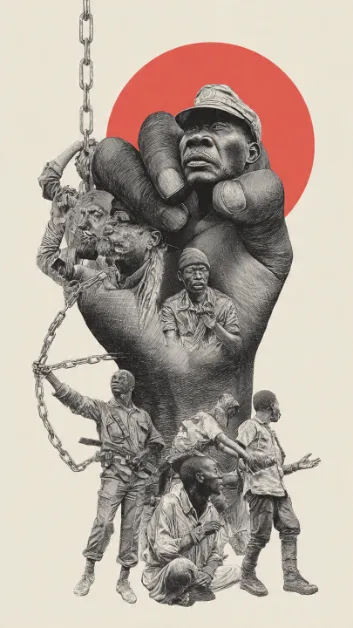
In Uganda, power speaks loudly while dissent is forced into whispers, turning democracy into a contest of volume rather than justice.
23 Jan, 2026
Share
Save
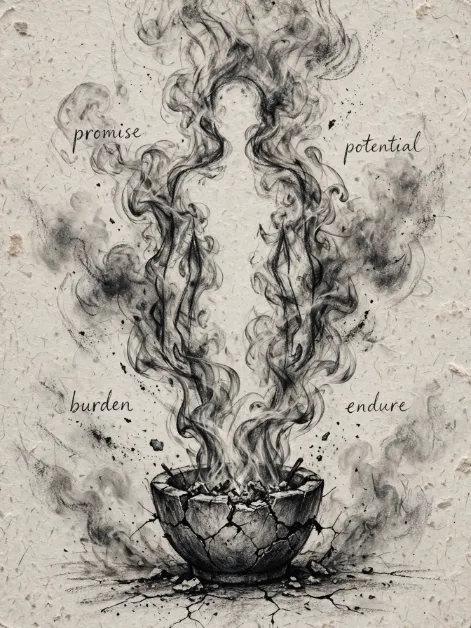
Beyond colour, there is a voice; there are voices. Uganda is a country of two voices, a condition that has existed since its inception and is widely shared among its people.
The hoarse voice is by far the most audible and most attended to, precisely because it represents a minority majority class.
“They speak, question, and answer themselves.”
Dissenting voices have “chosen” to become faint. To seek accountability is to invite a few nights in cold prison cells, a little whipping, a few Runyankole lessons, and arraignment in “good” courts of law for expeditious hearings.
From the near-abrogation of the very laws they framed, the loud voices have orchestrated deliberate moves to thwart and dwarf the how, why, and when voices of the majority. A fat finger wags to silence the thin.
“No one should think that what is happening today is a mere change of guard; it is a fundamental change in the politics of our country,” President Yoweri Museveni declared in his 1986 victory speech.
This is a war of voices. The question is: whose voice will be heard most? Recent political turmoil speaks volumes about the promised democracy and the power of the people. One cannot preach water and drink wine.
Justice must not only be done; it must be seen to be done.
About the author
Turyagumanawe Promise is a Ugandan poet, writer and essayist. Passionate about writing and governance, he has participated in crafting pieces in several magazines and anthologies, including the Climate Change Challenge organised by Iraka Africa. He has written SDG-based pieces in the Kirabo Writes Magazine, as well as in the ARC 2024 Magazine, organised by Read Us Africa. He is a Law Student, keeping an eye on Human Rights, Governance, and Advocacy.