President Ruto's Nationwide Crackdown on Small Businesses Operating in Kenya Rattles Foreign Nationals

Post-election abductions and prosecutions expose a justice system accused of shielding power while crushing opposition under the pretext of public order.
06 Feb, 2026
Post-elections in uganda are marred by annihilating lawlessness—abductions of the Opposition members, murder, detentions without charge or trial, and prosecution of dissidents for vague crimes. Still, it is incontestable that this script of unremitting injustice is but an extension of President Museveni's liberation novel.
Ever since the election, freedom for both Opposition leaders and supporters has been a myth—the State has abducted many people with varying political views, and leaders like Robert Kyagulanyi, who challenged General Museveni for the presidency, are still on the run.
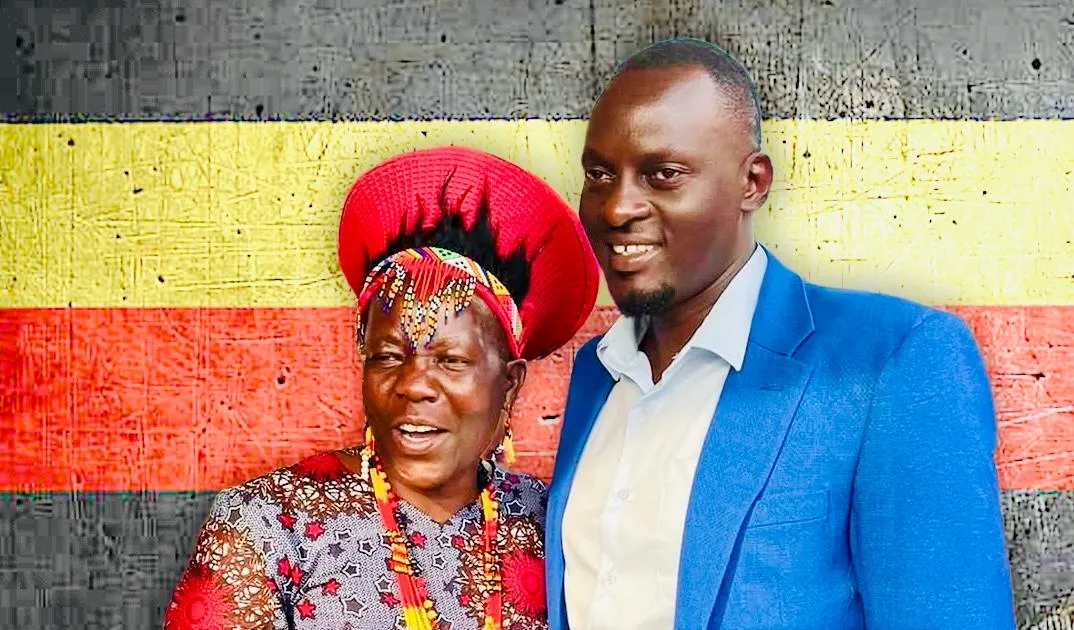
For weeks, Dr Lina Zedriga, the National Unity Platform vice president for Northern Uganda, was held incommunicado by the State, only to appear before a judge in Gulu on February 6, on charges of inciting violence. Of course, such charges for a person of Dr Zedriga's conscience are but political.
Yesterday, The Critique Magazine spoke to human rights lawyer Eron Kiiza about the legal implications of Dr Zedriga's disappearance and prosecution, and below is the full interview:
The Critique Magazine: How should this case be assessed legally if a politician is held incommunicado for weeks and only then produced before the court and charged? Does a later court appearance in any way legitimise or “cure” the prior disappearance?
Eron Kiiza: A subsequent court arraignment does not bring an end to illegal, arbitrary, and incommunicado detention, but neither cures nor excuses that prior state misconduct. It does not reverse the prior mental torture, inhumane treatment, or incommunicado detention. Such conduct remains actionable. You can prefer a civil suit over the same.
The Critique Magazine: Under Ugandan and international law, how should the period of disappearance be classified, especially given reports that courts were misled about the detainee’s whereabouts?
Eron Kiiza: The conduct offends both international law and national law (constitutional) prohibition of torture, inhumane treatment, arbitrary detention, incommunicado detention, detention without trial, or political persecution. This conduct is legally inexcusable and absolutely prohibited even during emergencies. Detainees should be permitted access to family, friends, a lawyer, and doctors of their choice. They must be treated with dignity, and their charges must be disclosed to them immediately.
The Critique Magazine: The charge is “inciting violence” under Section 79(1) of the Penal Code. How is this provision typically used, and how credible are such charges in an election-related political context?
Eron Kiiza: Yes. The charge is a catch-all offence that the government of Uganda typically weaponises to judicially harass and politically persecute innocent critics who are politically organising. The criminal proceedings against Zedriga are a mere smokescreen for political persecution. They are institutionalised intimidation of a sharp critic they are unable to otherwise bribe, silence, or intimidate.
The Critique Magazine: What immediate legal steps are available now to challenge both the charges and the conduct of the security forces during the period of disappearance, domestically or internationally?
Eron Kiiza: The corrective steps include bail application—the priority is liberty. These other interventions revolve around human rights enforcement actions for declarations and damages.
Photo Credit: Konrad Hirsch
The Critique Magazine is an independent publication dedicated to critical thought, creative expression, and public debate. It serves as a platform where writers, journalists, and thinkers share perspectives on literature, politics, human rights, and social issues affecting society. The magazine encourages open dialogue and challenges conventional ideas through essays, commentary, and analysis.