
Parliament, the great Ugandan buffet
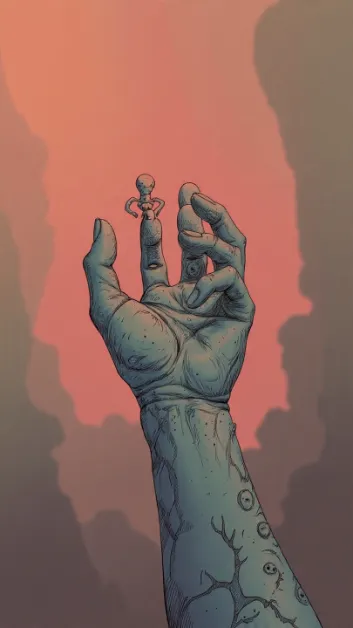
In Uganda, Parliament does not steal. It eats. It consumes. It multiplies.
10 Jan, 2026
Share
Save
Uganda has a Parliament. But calling it that is like calling a lion a house cat. It is not a place of governance. It is a banquet hall where Members of Parliament dine on the flesh of the nation—figuratively, yes, but sometimes, it feels literal.
Every month, allowances arrive like ceremonial offerings. Salaries, transport, housing, committee, constituency, lunch, breakfast, coffee, sleep—you name it—they eat it all. Money grows legs in their pockets, runs errands, buys houses, and multiplies overnight. It whispers to MPs, “Eat more; the people are too weak to stop you.”
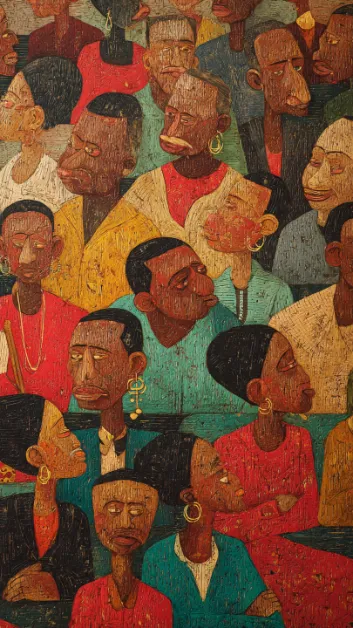
Meanwhile, the citizens, teachers, nurses, and farmers wander outside the palace gates like appetisers left out to spoil. Hospitals have no medicine, schools have no chalk, and roads have no tarmac. The MPs debate these tragedies while enjoying imported steak and sipping wine that costs more than a year’s school fees. Hunger is served on silver platters. Misery is the garnish.
Campaign season is the most theatrical of all courses. MPs return to villages in humble robes, distributing smiles and promises. Villagers line up like diners at a feast, but the food never reaches them. Instead, it is devoured earlier in the kitchen: houses, SUVs, trips abroad. Every promise is digested before it is served.
Sometimes, it is said that MPs feel the nation’s pain. Perhaps they do. But only enough to savour it—like chefs tasting a perfectly seasoned soup. Poverty becomes performance art, and the citizens’ suffering is both ingredient and entertainment.
The grotesque climax: each MP, standing in Parliament, is surrounded by invisible diners. They are eating the country in real time. The richer the MP becomes, the thinner the people appear on the menu. Allowances grow fatter than villages, while towns shrink to mere spices in a recipe of national despair.
And yet, the citizens clap. They vote. They wait. They become the leftovers in a feast they cannot afford.
In Uganda, Parliament does not steal. It eats. It consumes. It multiplies. And when the MPs leave office, the nation is lighter—but the stomachs of the privileged are impossibly full.
About the author
Abdullatif Eberhard Khalid (The Sacred Poet) is a Ugandan passionate award-winning poet, Author, educator, writer, word crosser, scriptwriter, essayist, content creator, storyteller, orator, mentor, public speaker, gender-based violence activist, hip-hop rapper, creative writing coach, editor, and a spoken word artist. He offers creative writing services and performs on projects focused on brand/ campaign awareness, luncheons, corporate dinners, date nights, product launches, advocacy events, and concerts, he is the founder of The Sacred Poetry Firm, which helps young creatives develop their talents and skills. He is the author of Confessions of a Sinner, Vol. 1, A Session in Therapy, and Confessions of a Sinner, Vol. 2. His poems have been featured in several poetry publications, anthologies, blogs, journals, and magazines. He is the editor of Whispering Verses, Kirabo Writes magazine issue 1 and edits at Poetica Africa.


.webp)