The Death of Morality and the Loss of Values in African Politics
Africa’s leadership crisis is not just political—it is ethical.
08 Nov, 2025
Share
Save
Africa is bleeding, not only from the wounds of poverty, corruption, and violence but also from a deeper, more fatal sickness: the death of morality and the loss of values in politics and leadership. Our continent’s tragedy today is not the scarcity of resources or intellect, but the erosion of conscience among those who lead and those who follow.
Once upon a time, leadership in Africa was a sacred calling, a duty of service, honour, and stewardship. From the wisdom of traditional chiefs to the vision of early post-independence leaders, politics was meant to uplift, not exploit. But somewhere along the journey, power replaced purpose, and the moral compass of leadership was buried beneath greed, fear, and personal ambition.
Today, African politics has become a marketplace of betrayal, where loyalty is bought, truth is silenced, and public service is traded for private enrichment. Elections are no longer contests of ideas but competitions in manipulation, bribery, and bloodshed. Leadership has turned into a battlefield for the stomach, not a platform for the soul.
The result is a continent governed by men and women who speak of patriotism but act in self-interest, who preach unity but sow division, and who swear oaths on constitutions they never intend to respect.
Across Africa, power has become a matter of life and death. From coups to rigged elections, from state violence to political assassinations, the path to leadership is paved with blood. The obsession with power—and the fear of losing it—has made politics a graveyard of morality.
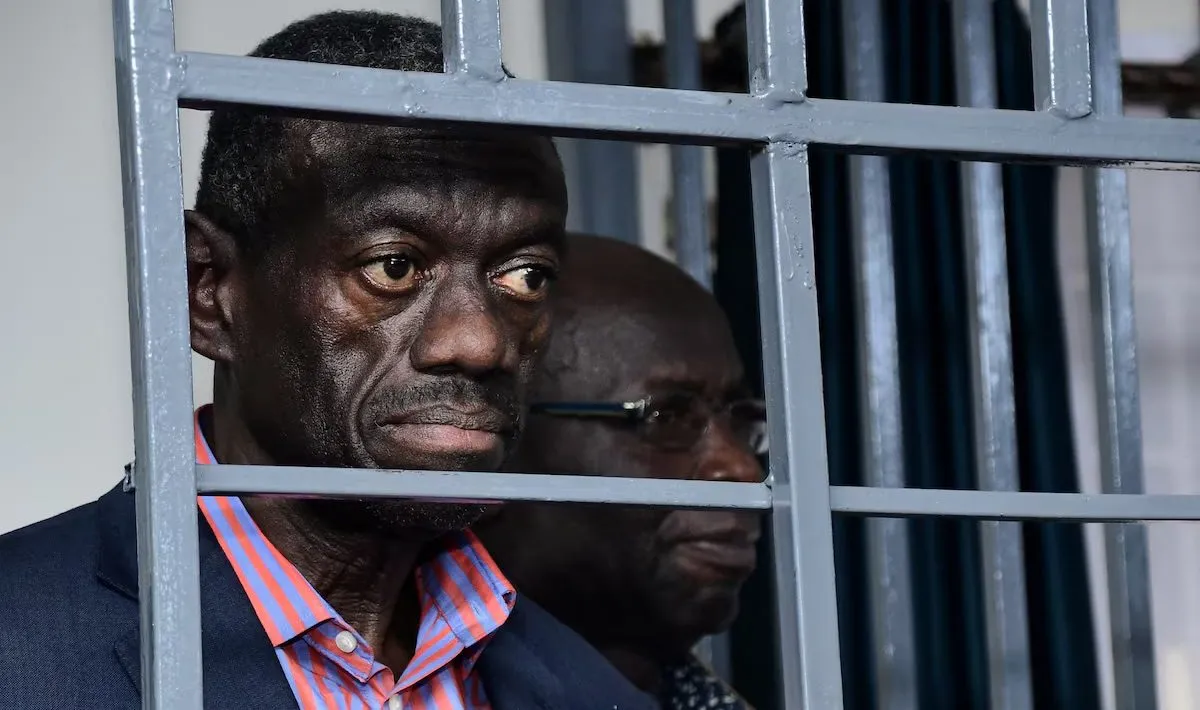
In many nations, opposition voices are not debated; they are silenced. Critics are not engaged; they are imprisoned or exiled. The gun, not the ballot, decides the future. And when blood becomes the ink of politics, democracy becomes an illusion.
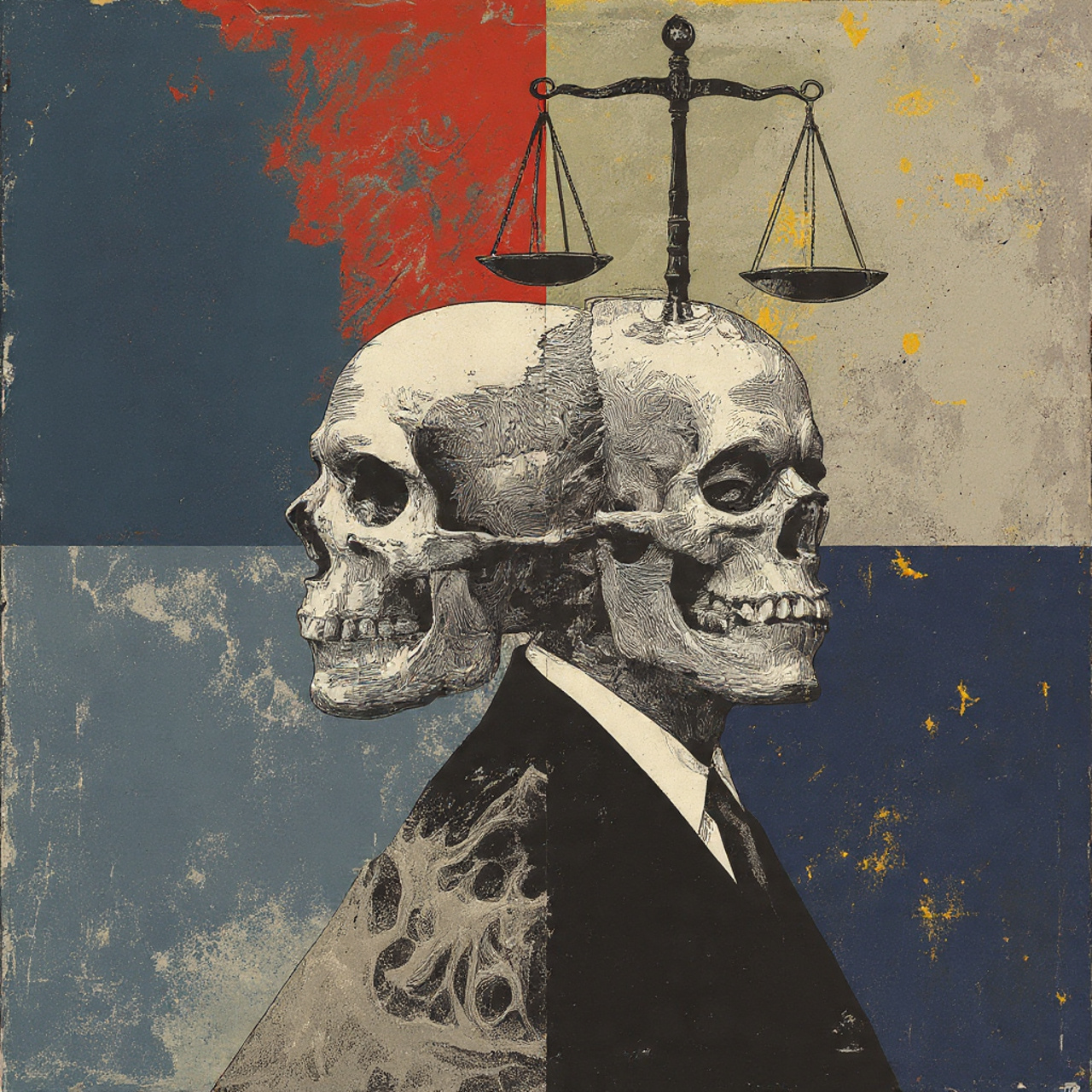
This “bloody politics” is not only physical—it is moral. Every act of corruption, every manipulation of justice, and every rigged election spills the blood of integrity and destroys the soul of the nation.
Africa’s leadership crisis is not just political—it is ethical. We have leaders who rise to power preaching service but govern with arrogance, leaders who condemn corruption yet thrive on it, and leaders who speak of democracy but fear accountability.
What we see today is a collapse of values:
Truth has been replaced by propaganda.
Justice has been replaced by favouritism.
Patriotism has been replaced by opportunism.
Service has been replaced by self-preservation.
The greatest danger, however, is not that leaders are corrupt—it is that society has normalised corruption. The people who once condemned injustice now justify it when it benefits their tribe, religion, or political party. The masses cheer for their oppressors and mock the few who dare to tell the truth.
A nation without moral leadership cannot sustain peace, no matter how developed its infrastructure may be. Roads, bridges, and skyscrapers cannot substitute for integrity. The death of morality breeds generations of citizens who believe in shortcuts, dishonesty, and survival by any means.
The young people of Africa—once the torchbearers of change—are now seduced by the same system they were meant to challenge. They seek to join politics not to serve but to eat. The dream of liberation has turned into a struggle for position.
Yet all is not lost. The rebirth of African leadership begins with the resurrection of morality. We must reclaim the values of honesty, humility, justice, and compassion that once defined our societies. The continent needs leaders who lead by example, who fear God more than losing elections, and who measure success not by wealth but by the well-being of their people.
We must teach civic ethics alongside political science; leadership must be rooted in character, not charisma. Africa must rediscover the principle that power is a trust, not a trophy.
The true crisis in Africa is not political instability—it is moral instability, and our nations will continue to struggle until leadership becomes a moral calling again. The death of morality is not just the death of politics—it is the death of the African soul.
To resurrect our continent, we must first resurrect our conscience.
About the author
My name is Abeson Alex, a student at St. Lawrence University, whose leadership journey reflects a deep commitment to service, integrity, and community transformation. I have held various leadership positions, including UNSA President of St. Charles Lwanga College Koboko, UNSA District Executive Council Speaker, UNSA Speaker for West Nile, and West Nile Representative to the UNSA National Executive Council. I also served as YCS Section Leader of St. Charles Lwanga College Koboko, YCS Federation Leader for Koboko District, and Koboko YCS Coordinator to the Diocese. In addition, I was a Peace Founder and Security Council Speaker for the peace agreement between St. Charles Lwanga College Koboko and Koboko Town College. I served as Debate Club Chairperson of St. Charles Lwanga College Koboko, District Debate Coordinator, and West Nile Debate Coordinator to the National Debate Council (NDC). All the above were in 2022-2023. My other leadership roles include Chairperson of the Writers and Readers Club, UNSA Representative in the District Youth Council, Students’ Advocate for Reproductive Health, and Students’ GBV Advocate for the District. Within the Church, I served as Chairperson of the Altarservers of Ombaci Chapel, Parish Altarservers Chairperson of Koboko Parish, and Speaker of the Altarservers Ministry in Arua Diocese. Current Positions: Currently, I serve as the Diocesan Altarservers Chairperson of Arua Catholic Diocese, Advisor of the Altarservers Ministry for both Ombaci Chapel and Koboko Parish, and Programs Coordinator of Destined Youth of Christ (DYC-UG). I am also a Finalist in the Global Unites Oratory Competition 2024, the current Debate Club Speaker and President of St. Lawrence University Koboko Students Association. Additionally, I am the Youth Chairperson of Lombe Village, Midia Parish, and Midia Sub-county in koboko district. I am one whose life has been revolving around ensuring that in our imperfections as humans, we can promote transparency, righteousness, and morality to attain perfection. I am inspired by the guiding words: Mobilization, Influence, Engagement, and Advocacy. I share my inspiration across the fields of Relationships, Career, Governance, Faith, Education, Spirituality, Anti-corruption, Environmental Conservation, Business & Self-Reliance, politics , Administration,Financial Literacy, Religion, and Human Rights. Thanks for the encounter.




.webp)