The Return of Human Rights Are Universal Festival
What happens when an artist’s belonging is threatened?
12 Oct, 2026
Share
Save
Art is not a gun. It is not a sword, but if used effectively, art is more lethal than both. It destroys. It maims. Art murders. But the difference is that art mends, heals, and unites. Although art’s impact is not instantaneous, its after-trails are indelible.
Thus, the brush, the pen, or any tool in an artist’s hand should not lose the artist’s grip; rather, it should dance to the artist’s tune. But the artist cannot achieve this unless they’re conscious and autonomous—conscious of their surroundings and independent of societal perspicacity and thought. The artist should rule, not be ruled.
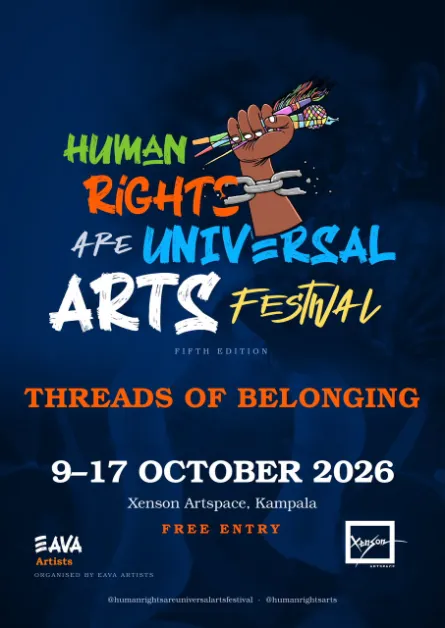
For that matter, Human Rights Are Universal Festival, once again, returns, reminding artists of their role in shaping the world. This kind of festival, which has been ongoing for four years, has sparked artistic conversations challenging perspectives and reiterating that human rights are universal and that they belong to all of us, irrespective of our beliefs, gender, or race.
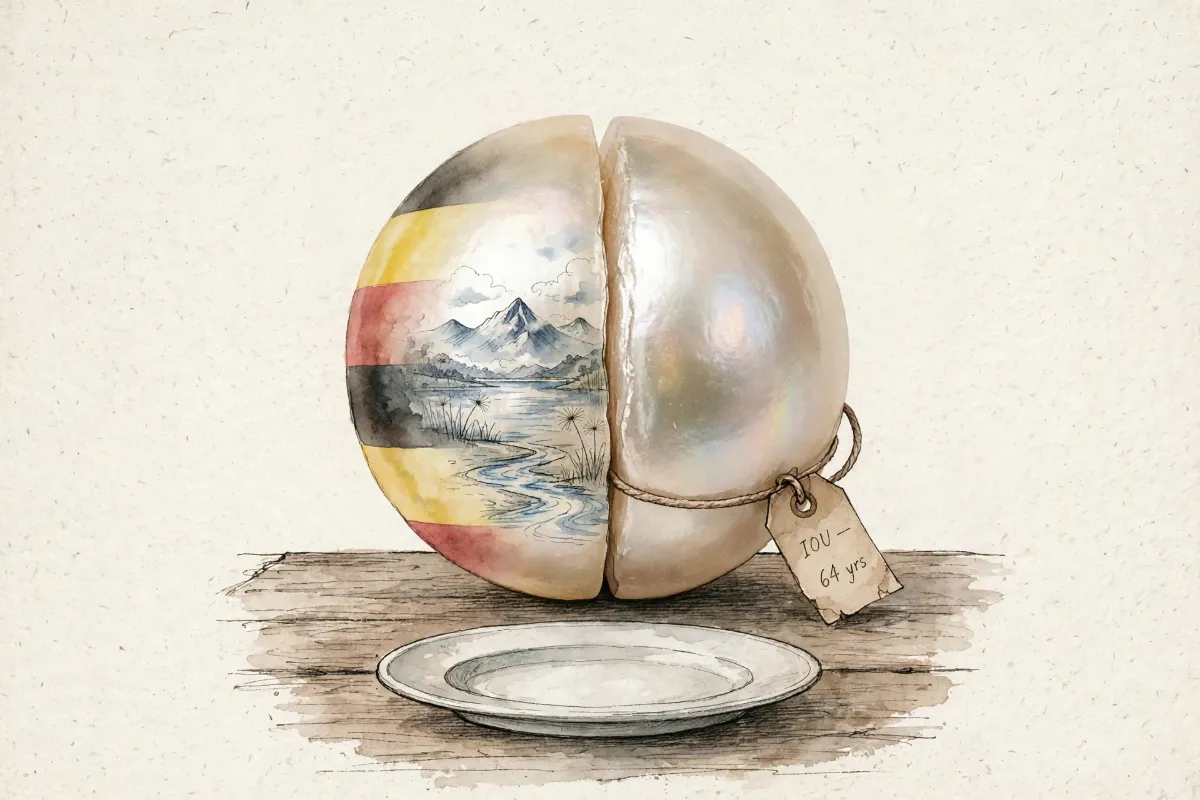
This year’s festival, which kicked off on 9 October (and will go on until 17 October) at Xenson Art Space, Kampala, is themed ‘Threads of Belonging’, asking artists the hard questions: What happens when an artist’s belonging is threatened? Where does an artist belong? Who gets to belong?
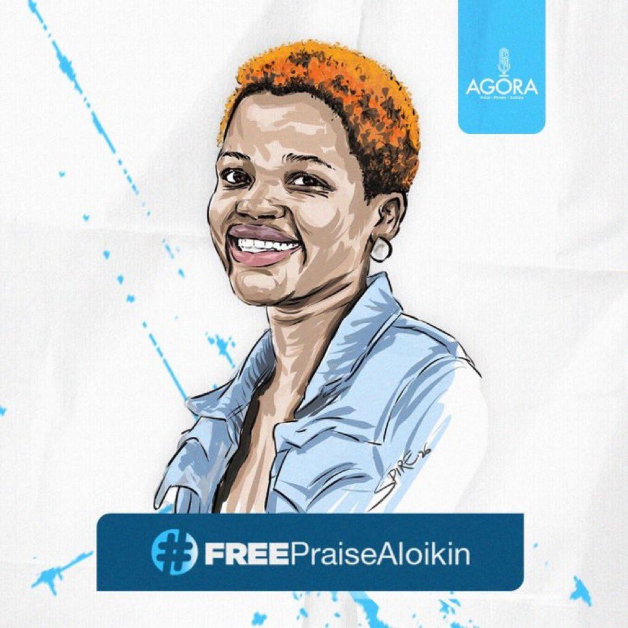
The theme—Threads of Belonging—comes at a time when artists, not just in Uganda but in the whole world, are at risk of annihilation for their truths. As of today, many artists are in jail, or in graves, for practising art, unflinchingly. They are in exile for naming injustice for what it is. Artists are fugitives for unveiling perpetrators of human rights abuses. Art has become a bigger crime than corruption or murder. Regardless, artists have continued to create.
Through music, visual art, poetry, performance and storytelling, the Human Rights Are Universal Festival continues to advocate for social justice at a time when stark injustice is the new normal, when the country wrestles with critical questions about her political future.
The 9-day festival outlines the role of art as not merely a theatre to entertain the masses, but as a refuge for the vanquished. Of course, a poem, a painting, an artefact, or a performance cannot put an end to dictatorship or suffering, but at least it reminds us that even amidst public nonchalance, when everyone is concerned with their lives, someone—the artist—shares the pain with the victims, and this art eventually becomes a mirror through which the entire world views the victim’s pain.
About the author
The Critique Magazine is an independent publication dedicated to critical thought, creative expression, and public debate. It serves as a platform where writers, journalists, and thinkers share perspectives on literature, politics, human rights, and social issues affecting society. The magazine encourages open dialogue and challenges conventional ideas through essays, commentary, and analysis.