The Uganda Media Week Closure: Why This Year’s Celebration Must Be Marked as a Turning Point for This Nation’s Fourth Estate
As Technology Advances, Can Journalism Keep Its Soul?
18 Dec, 2025
Share
Save
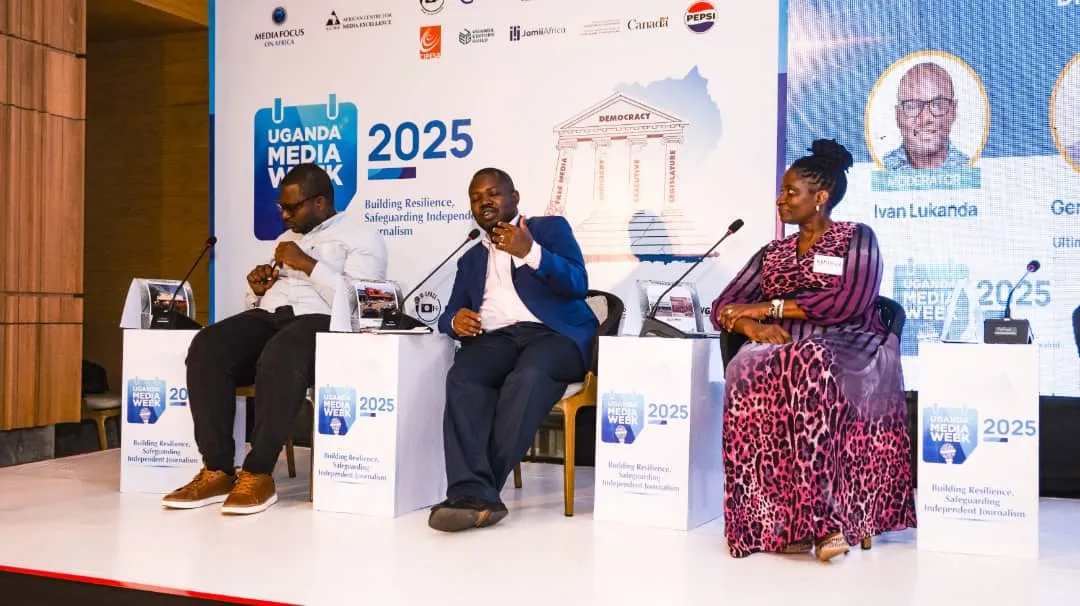
The Seventh Annual Uganda Media Week, an event organised mainly to bring together journalists, academics, researchers, and other stakeholders to discuss the future of the media and its constitutional press freedom, among other key issues, started yesterday, Wednesday, December 17, and ends today, Thursday, December 18, amid mixed reactions, ideas, and lessons learnt from the audience.
Today’s morning panel interaction, labelled the “Grab a Coffee Session,” largely centred on the future of Artificial Intelligence (AI) in journalism, sparking controversy among the panellists. This discussion comes at a critical time when digital media has increasingly confronted the use of AI tools in editing, research, and publication, making the topic unavoidable.
Mr Benon Oluka, one of the panellists, commended the use of AI, urging journalists to embrace it and not fear that the innovation would take away their jobs. “AI is not here to replace journalists; it is here to complement them by taking over repetitive and time-consuming tasks,” he said.
.jpeg)
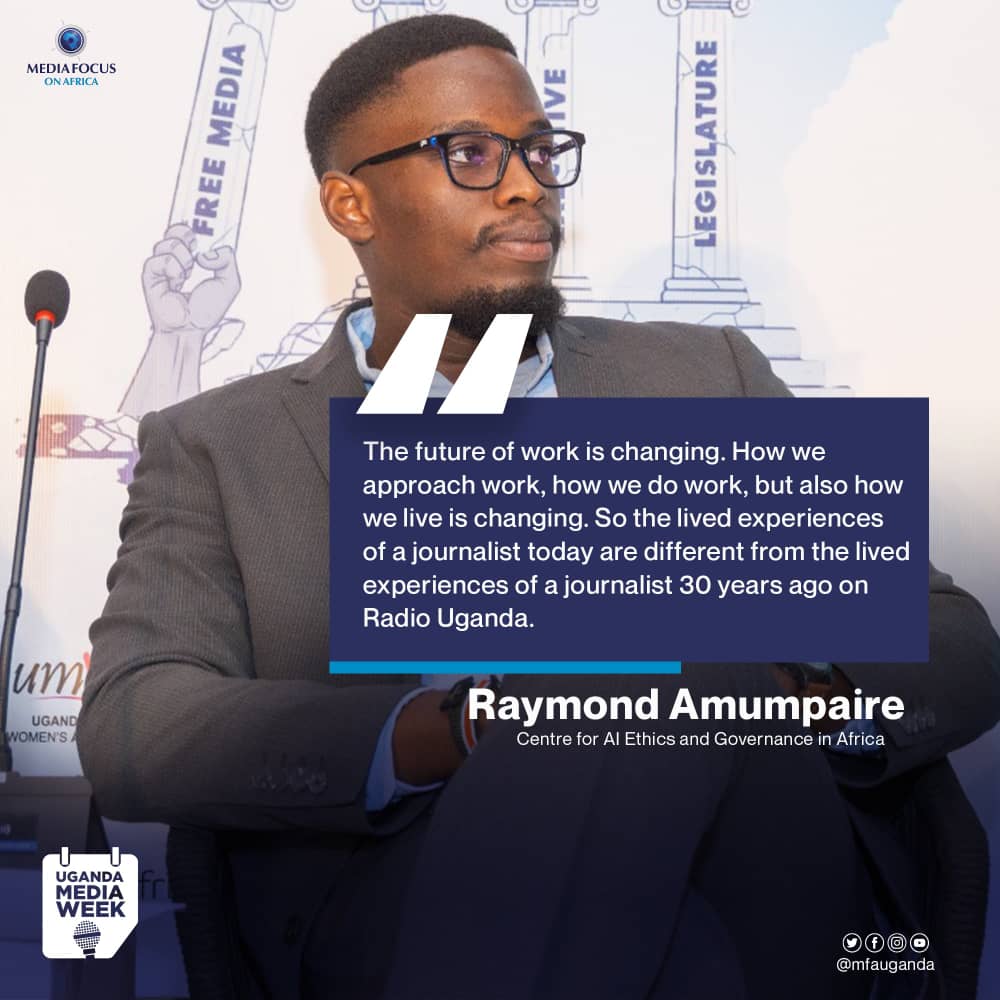
In contrast, Mr Raymond Amumpaire questioned the coexistence of journalists and artificial intelligence in such a rapidly evolving world, though he still supported the idea of media professionals embracing it. “The future of work is changing—how we approach work, how we do work, and even how we live is changing,” Mr Amumpaire remarked, reflecting on how the lives of journalists, particularly those at Radio Uganda, have changed over the past thirty years.
Responding to the question of how to amplify women’s voices in the media, Mrs Susan Nsibirwa, a media professional, defended women’s participation by pointing to existing inequalities. “Women want to talk. You just have to approach them,” the managing director asserted regarding women’s willingness to share information.
She, however, noted the urgent need for greater consciousness around media gender bias, where men continue to dominate news coverage, and called for deliberate efforts toward gender equality. Dr Aisha Nakiwala also supplemented this discussion by addressing male chauvinism in the media and calling for a review of accreditation frameworks and stronger gender analysis.
As this event draws to a close, I walk away with significant homework to reflect on, including the importance of speaking with a bold voice as a defining attribute of a professional journalist. Another key lesson is the need to learn how to multitask, as emphasised by Dr Gerald Walulya.
Photo credit: Uganda Media Week 2025


.webp)