
When ballots bow to bullets
On deception, force, and the erosion of democratic choice
18 Dec, 2025
Share
Save
“Why win by force what you can win by deception?” -Machiavelli
As Uganda heads to the polls, we must reflect not just on our history but also on where we are heading. Election season in Uganda is characterised by immense greed from politicians and power players whose ambition runs deeper than their morals and pockets. In most places (at least in countries where they pretend to practice democracy), election season carries a wave of hope, change, new ideas, and leadership.
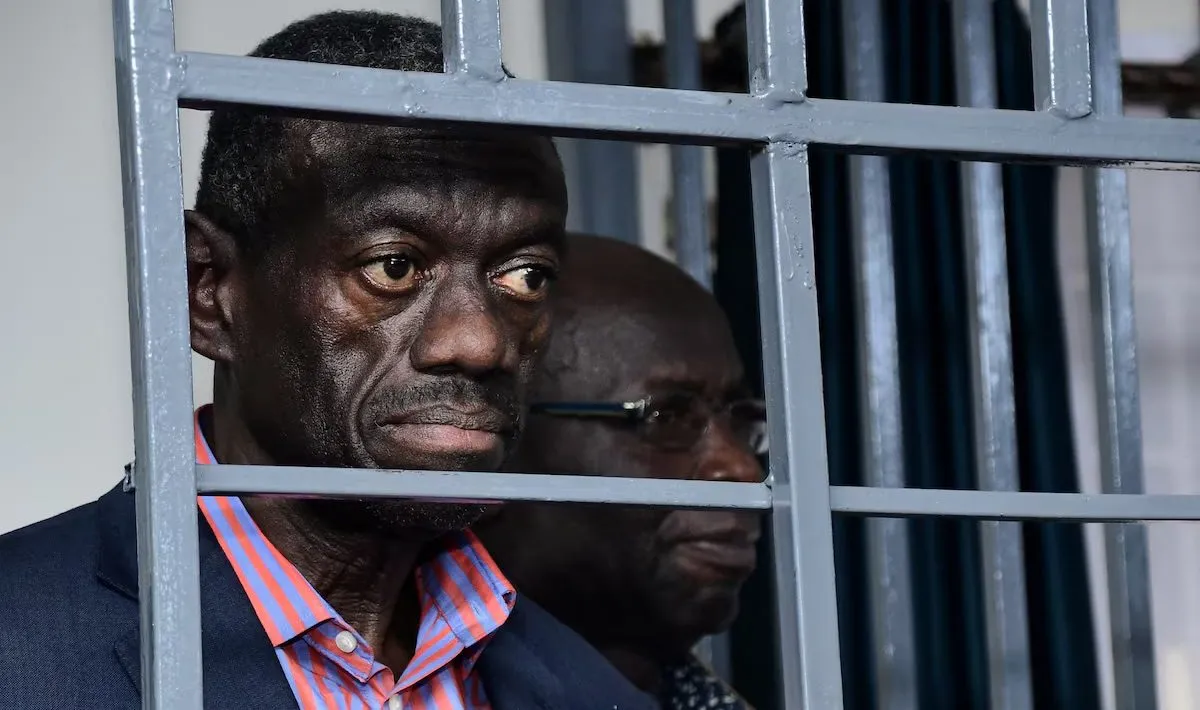
In Uganda, on the other hand, it is a mere façade that doesn’t necessitate a genius to point out the obvious. Human rights violations, bloodshed, unnecessary brutality, and unwarranted disappearances are a norm that comes along with it. The ideology has always been that there is no small price to pay for democracy, and therefore, any bloodshed that comes with it has always been accepted.
However, the meaning of democracy seems to have changed in the past three decades; it is no longer people exercising their constitutionally guaranteed rights but appeasing the gods of a certain political ideology whose colour screams louder than their logic.
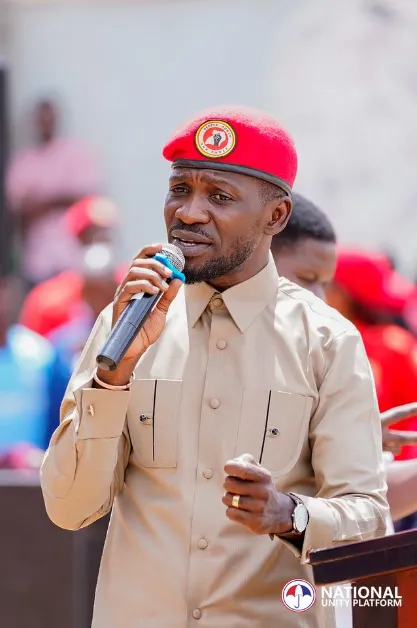
This is not a new phenomenon. Democracy was first crippled in 1966 when Obote forcefully took power by surrounding legislators with guns, pointing at them, and military helicopters flying overhead. This set a precedent that he who holds the gun or muscle can and will control all other arms of government. This precedent has presently not been debunked but rather enforced. Where manipulation has failed, and control cannot be secured, anti-terrorist forces and military cadres have been deployed against journalists and unarmed civilians to “protect the gains.” This goes to show that the country is not presently governed by the rule of law but a hammer as mighty as Thor’s, wielded by a certain self-proclaimed liberator and his cult.
Our problems do not start with elections, albeit they are an extrinsic example of whatever is wrong with the state. The collapse of championing people’s rights and their voice has been a systematic one. The removal of term and age limits ushered in a different era of leadership and quietly altered the architecture of power, although some anticipate it was bound to happen. It unconsciously gave unchecked power to a particular office with no barriers whatsoever. One would think that faulty democracy would at the very least favour those in different positions of power, but the past years have shown us that its effects are not segregative and affect us all.
As we head to the polls, it is imperative to note that the judiciary has been kneecapped and our parliament is bloated and is well inclined not to the nation’s interests but to whoever fills their gluttonous bellies. We ought to move from politics of survival and popularity contests and really take a deep look within our hearts and systems as a nation; other than that, we might as well get hoes and begin digging the pathway to complete militarism.
.webp)