
African Opposition and Activists at a Crossroads
To claim sovereignty while clipping people’s voices is blatant irony; Africa should first free itself from the barbarism of its African leaders.
09 May, 2026
Share
Save
Without a doubt, Africa’s worst problem, regardless of what pan-Africanists—those who are determined to die in power at the expense of their countries—say, is no longer colonialism or the incessant interference of external forces in African affairs but African leaders.
In Africa today, having an opinion contrary to that of your leader, holding the government accountable, or publicly showing interest in challenging the incumbent president in an election—which is your democratic right—is worse than syphoning public funds meant for the dilapidating infrastructure or equipping public hospitals with medicine.
In fact, syphoning public funds is cultural; corruption is the only string that still holds many African governments together, but political unorthodoxy is immoral, and to question an African government is tantamount to attempting to murder an African leader. Thus, those who challenge power end up either in prison or in graves.
While the African leaders insist on African sovereignty, it seems such sovereignty is limited to ‘things’ that prolong their reigns, even when their people oppose them. And to murder citizens or send them to jail is like playing chess; the African leader is determined to murder his own voters for power.
Sovereignty, in this sense, excludes native Africans from seeking answers from their leaders regarding their incompetence. It means venerating leaders all the time, even when they are in the wrong. Sovereignty means helping a leader seize the presidency for life. It means supporting their corruption and justifying their murder of the Constitution. Sovereignty means burying one’s voice in the face of stark tyranny and injustice.
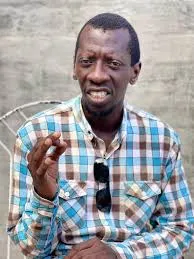
In Rwanda, as of now, the atmosphere is tense after the death of Aimable Karasira, a singer and government critic, who died while being released from Nyarugenge Prison after serving a five-year sentence for what Paul Kagame’s government called “inciting violence.”
According to the Rwanda Correctional Service, Aimable died at a hospital after an alleged overdose of prescription medication while being released.
Aimable was a critic of President Kagame’s governance, and he appeared in different interviews where he condemned Kagame for his suppression of the Rwandan people, besides questioning him for being part of the 1994 Rwandan genocide, which claimed his parents’ lives.
In many African countries, critics are better off in prison or in their graves. They are of no use to their governments, which are insulated from accountability. And to say Aimable, a stark critic of a bloody regime, would attain his freedom after his sentence is to shoot oneself in the heart. There was no presumed freedom whatsoever. By all means, his life was endangered as long as he was in Rwanda.
President Paul Kagame, just like any other African dictator, has a speciality in erasing voices like Aimable’s. Many of his critics have gone missing, never to be seen again; many have lost their lives in unknown circumstances, even while in exile. He has invested more in tracking down those who hold them accountable than he has in improving the lives of his people.
However, he is not alone. In Tanzania, the chairperson of CHADEMA, Tundu Lissu, has hitherto been in prison. Tundu, Tanzania’s main opposition leader, was arrested on April 19, 2025, while holding a political rally in Mbinga town.
During his arrest, the Tanzanian police used devastating force to disperse his supporters before they transported him to Dar es Salaam, 1000 km away from Mbinga town. He was later charged with a non-bailable offence of treason, which carries a death penalty in Tanzania. They also added two other offences to his charge sheet under the country’s cybercrime laws: he had called on Tanzanians to boycott the elections, citing the possibility of rigging.
Tanzanian President Samia Suluhu Hassan continues to unflinchingly crack down on the rights of her people to stay in power. It is a contradiction that African democracy is riddled by both women and men leaders. They use security—police, and army—parliament, the judiciary, and taxpayers’ money to bring democracy and justice to the trenches. Justice is only justice when it is in their favour, not when it empowers the citizens. This is the tragedy of the African continent.
It is no better in Uganda, where Bobi Wine (Robert Kyagulanyi) fled to exile after he challenged President Museveni in the January 15 elections. Bobi Wine’s home was ransacked by military operatives under the command of Muhoozi Kainerugaba, Museveni's son and commander of Uganda’s defence forces. His wife, Barbie Kyagulanyi, was undressed, and her photos were later circulated on social media by General Muhoozi. Not just that, Muhoozi continued to pejoratively call Bobi Wine names while being cheered by his minions.
And throughout the election, many of Bobi Wine’s supporters and friends were abducted and detained without charge or trial, and some were murdered in cold blood. Such precedents remind us that Africa’s problem is not just external but also internal and that we cannot condemn colonialism and its aftermath if we cannot assuage our greed for power.
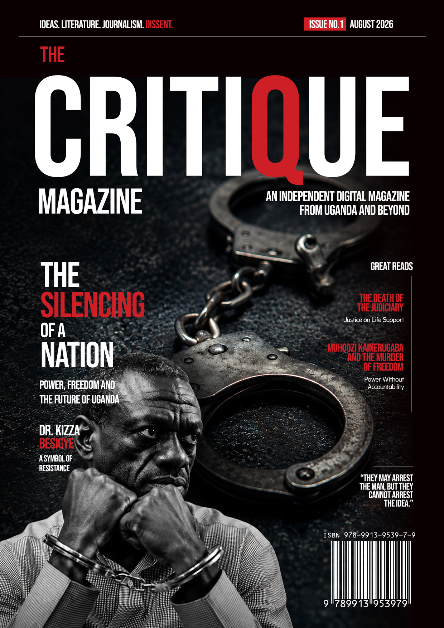
As of today, Dr Kizza Besigye, who, just like Bobi Wine, has condemned Museveni’s dictatorship, is in prison battling treason charges. Dr Kizza Besigye, under the Forum for Democratic Change, challenged Museveni in different presidential elections. Dr Kizza called out Museveni’s dictatorship and murder of the Constitution, which has been continuously amended to prolong Museveni’s stay in power.
Dr Kizza Besigye was abducted from Kenya on November 16, 2024, and driven back to Uganda before he was charged with the offence of possessing illegal firearms and threatening national security. However, to date, the Ugandan government has failed to provide evidence implicating Besigye.
It is not that these opposition leaders and critics are criminals, but they have uncompromisingly condemned their lawless governments. These callous governments prefer praise to the truth, and those who tell them the truth are liable to treachery charges.
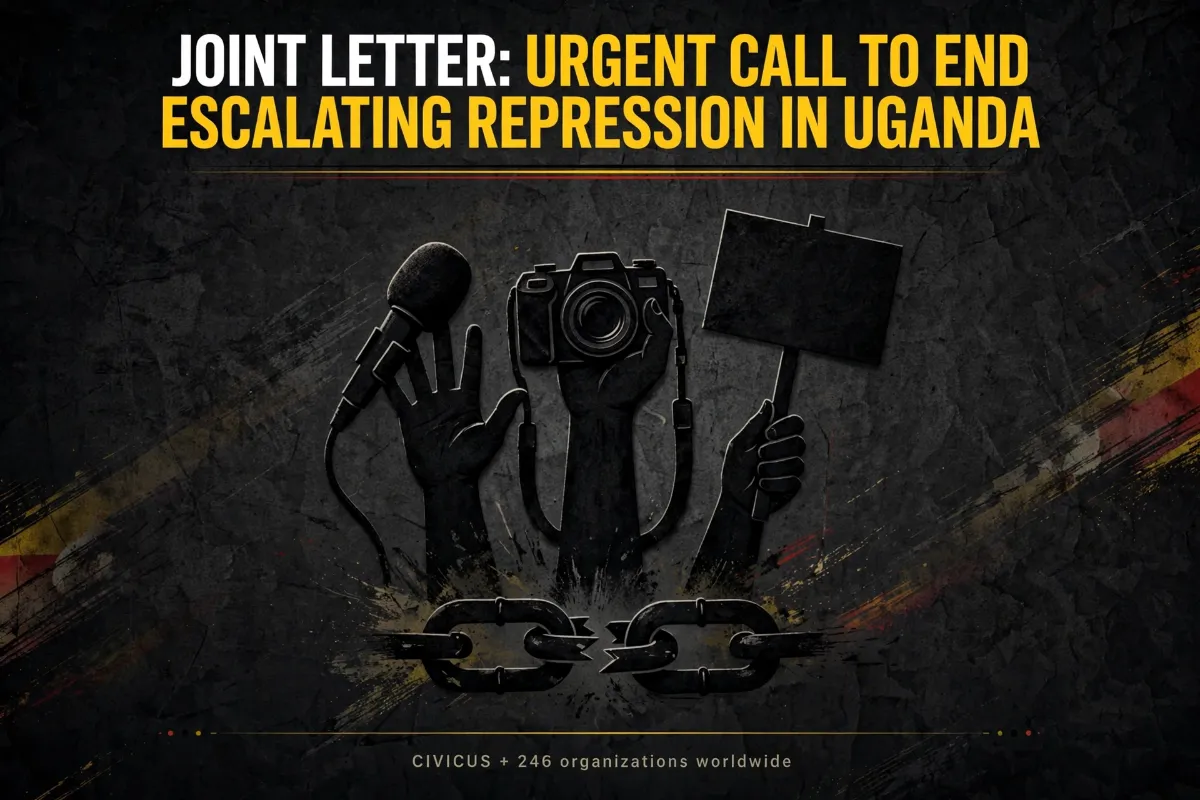
They concoct laws that clip civil society’s arms, thereby easily silencing voices; they regulate funds that intend to empower individuals and journalists who amplify the plight of the oppressed, while they cloak all this impudence in protecting African sovereignty.
But true sovereignty starts with respecting the rights of those under your leadership. And to claim sovereignty while clipping people’s voices is blatant irony. Yes, Africa should be free from imperialism. Still, it should first be free from the barbarism of its own leaders, and this is a conversation that Africans should have preliminarily, not metaphorically, but upfront.
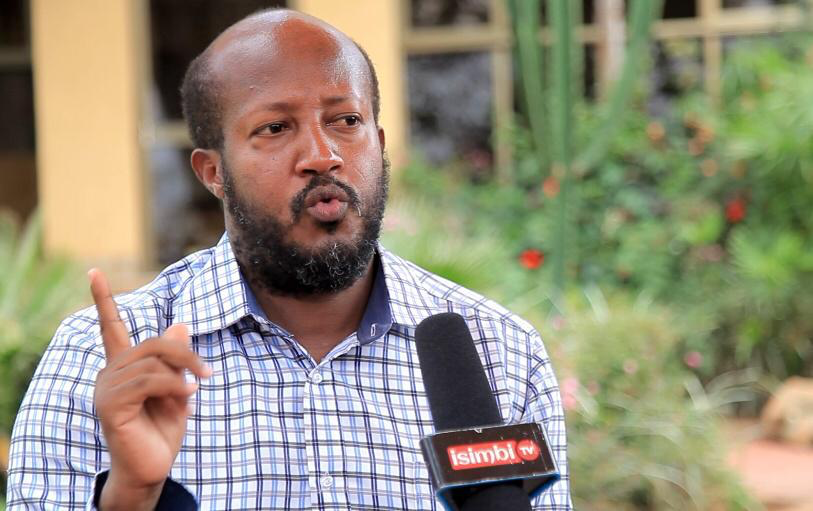
Photo Credit: Jambonews.net
About the author
The Critique Magazine is an independent publication dedicated to critical thought, creative expression, and public debate. It serves as a platform where writers, journalists, and thinkers share perspectives on literature, politics, human rights, and social issues affecting society. The magazine encourages open dialogue and challenges conventional ideas through essays, commentary, and analysis.