The Critique Magazine Logo
    • Popular
    • Latest
    The Critique MagazineThe Critique
    Login
    LITERATURE & ANALYSES

    Cultural Heritage as Resistance: A Reflection on Abdullatif Khalid’s Poem “The Battle for Roots” In International Journal of Human Rights Perspectives

    "Our heritage, they say, is outdated—but it’s the only thing that’s truly ours.”

    By: The Critique Magazine

    26 Oct, 2025

    Share
    Save

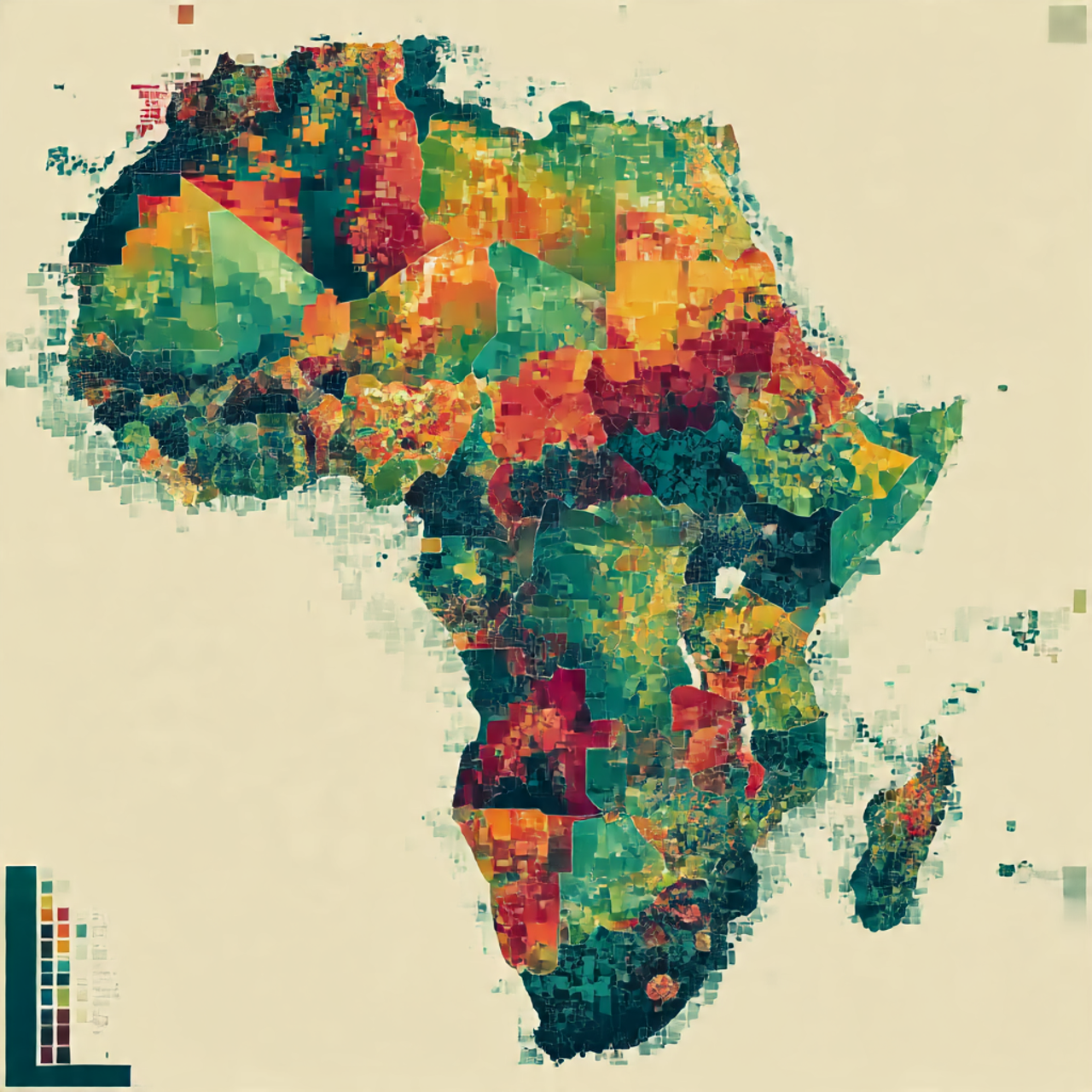
    The International Journal of Human Rights Perspectives (2025), under the flagship theme Cartographies of Conflict: Five Dimensions of Warfare and Beyond, amplifies creative and intellectual voices that challenge the boundaries between art and activism. Among the anthology’s most striking literary inclusions is Abdullatif Khalid’s poem “The Battle for Roots,” which interrogates the violence of cultural erasure and the politics of belonging in postcolonial Africa.

    Khalid’s work resonates deeply with the journal’s vision articulated in Bhavna Dahiya’s Founder’s Note: that “conflict is not always waged with guns... but in language, memory, and the occupation of imaginaries.” The poem thus enters this larger conversation as a cartography of refusal—mapping the struggle for cultural survival in a world that equates progress with forgetfulness.

    On page 165, “The Battle for Roots” opens with an elegiac tone:

    “Our heritage, they say, is outdated—
    But it’s the only thing that’s truly ours.”

    Here, Khalid immediately positions culture as both a contested space and a declaration of ownership. The poem laments the ongoing dislocation of African identities through globalisation and cultural homogenisation, while celebrating heritage as a vital force of continuity. Through metaphors of soil, sweat, and song, Khalid reclaims the everyday as sacred territory—a place where the memory of ancestors resists erasure.

    Heritage as Human Rights Discourse

    Khalid’s assertion that “they take our languages, they steal our songs, and say, ‘It’s for the better,’” resonates with the journal’s recurring concern with linguistic warfare and narrative sovereignty. The poem serves as a lyrical counterpoint to academic analyses of the issue, which examine how power is exercised through the control of culture and language.

    By framing cultural suppression as systemic violence, Khalid echoes the journal’s call to expand human rights discourse beyond physical survival to include cultural dignity. His poetry positions tradition as a living archive of resistance—an idea that aligns with decolonial scholarship, emphasising memory as a right and storytelling as a form of self-determination.

    Decolonial Aesthetics and Resistance

    Khalid’s use of ancestral imagery transforms the poem into an act of reclamation. The recurring invocation of “our ancestors’ tongues” and “the soil that remembers” articulates what Achille Mbembe calls “the right to opacity”—the refusal to be fully assimilated into Western epistemologies. The poem’s aesthetics of rootedness mirror the issue’s essays on place-making as resistance to infrastructural violence, suggesting that identity itself is an act of endurance against imperial modernity.

    This aligns with Thotchanso Zingyo’s prose narrative “I Was Born in a Map They Forgot to Draw,” also featured in the journal, which portrays cultural invisibility as a quiet form of war. Both Khalid and Zingyo write from the margins of national and cartographic recognition, transforming absence into agency.

    The Ethics of Remembering

    “The Battle for Roots” refuses the amnesia of modernisation by insisting that remembrance is a moral act. Khalid’s closing lines—

    “Our bones are in the soil,
    And as long as the earth breathes, so will we,”

    echo the journal’s underlying philosophy that peace and justice cannot exist without historical consciousness. The poet redefines survival as a collective resurrection—a rebirth through memory and storytelling. His voice bridges the individual and the ancestral, the local and the universal, reminding readers that cultural preservation is inseparable from human dignity.

    Yes, how do I really seal this amazing conversation after being moved by his poem? Abdullatif Khalid’s “The Battle for Roots” exemplifies the convergence of poetry and human rights advocacy. It transforms cultural nostalgia into a radical act of reclamation, speaking to global struggles against erasure and marginalisation. In dialogue with the International Journal of Human Rights Perspectives, the poem asserts that cultural identity is not a relic of the past but a living right—a defiant form of freedom that outlasts the violence of empire.

    As Khalid’s lines suggest, to remember is to resist. To speak one’s heritage is to wage peace.

    About the author

    The Critique Magazine is an independent publication dedicated to critical thought, creative expression, and public debate. It serves as a platform where writers, journalists, and thinkers share perspectives on literature, politics, human rights, and social issues affecting society. The magazine encourages open dialogue and challenges conventional ideas through essays, commentary, and analysis.

    💬Comments(0)

    Sign in to join the conversation

    The Critique Magazine

    Copyright Notice: All rights reserved. All the material published on this website should not be reproduced or republished without prior written consent.

    Copyright to the material on this website is held by The Critique Magazine and the contributors. Any violation of this copyright will be subject to legal proceedings under intellectual property law.


    Navigation

    HomeGlobal WatchLatestPopularSubmissionsIssues

    Magazine

    AboutThe VerdictInner Reflection

    Copyright 2026 - The Critique Magazine

    Most popular

    1

    While Museveni Eats the Country Away

    Museveni is the pumpkin root that Ugandans should focus on uprooting, not Anita Among.

    The Critique Magazine

    2

    Fate, You Owe Me

    A fierce reckoning with suffering, stolen dreams, and the refusal to remain broken by pain.

    Adio Daizy

    3

    Whose Palms

    A searing meditation on black labour, memory, exile, and civilisation.

    Kabedoopong Piddo Ddibe'st

    4

    Inside The Famous Kigo Prison Walls

    Crowded Cells, Silent Voices, and the Politics of Confinement

    Akampurira Agapito

    5

    African Opposition and Activists at a Crossroads

    To claim sovereignty while clipping people’s voices is blatant irony; Africa should first free itself from the barbarism of its African leaders.

    The Critique Magazine