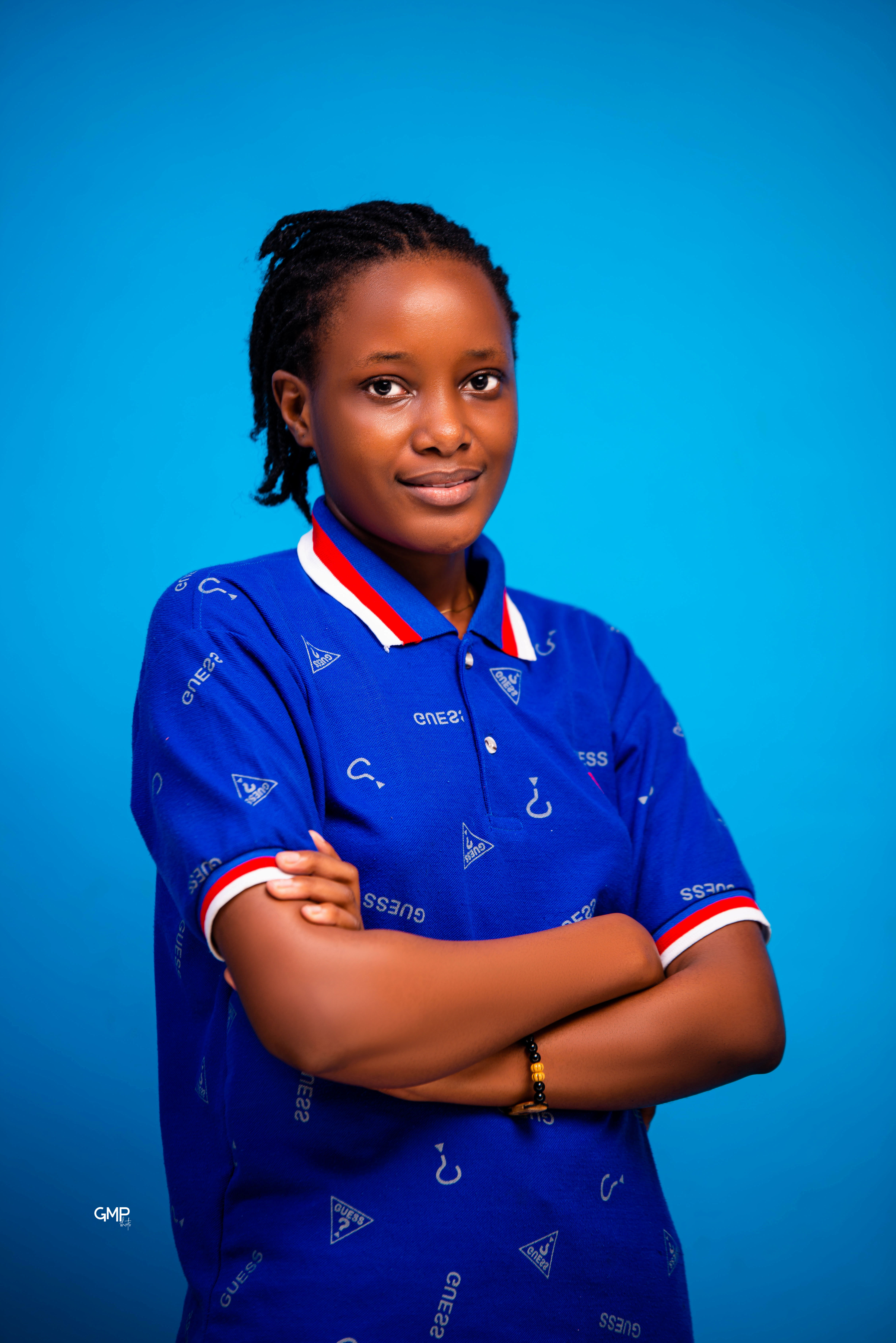
In conversation with poet Jovine Kisakye
Embracing Uganda Literature
14 Mar, 2025
Share
Save
Congratulations on the publication of your poetry collection, "Happiness Within Us!" Can you tell us a bit about your background and how you started writing?
Thank you so much! It's truly a dream come true. As for my background, I've always been drawn to the power of words, and I owe a great deal of that to my parents, Buteraba John and Nakamya Zippy. They instilled in me a deep appreciation for storytelling and the beauty of language. I remember my mother, Nakamya, reading me stories as a child, and my father, Buteraba, always encouraging me to express myself through writing. They created a home filled with love and inspiration.
Even as a child, I found solace and expression in journaling and storytelling. I remember writing little poems and stories in my notebooks, often finding inspiration in the natural world around me and the emotions I felt.
My formal education didn't necessarily focus on creative writing, but I always found ways to incorporate it into my life. I've always been an avid reader, and I think that's where my love for poetry blossomed. I was captivated by the way poets could distill complex emotions and experiences into such concise and evocative language.
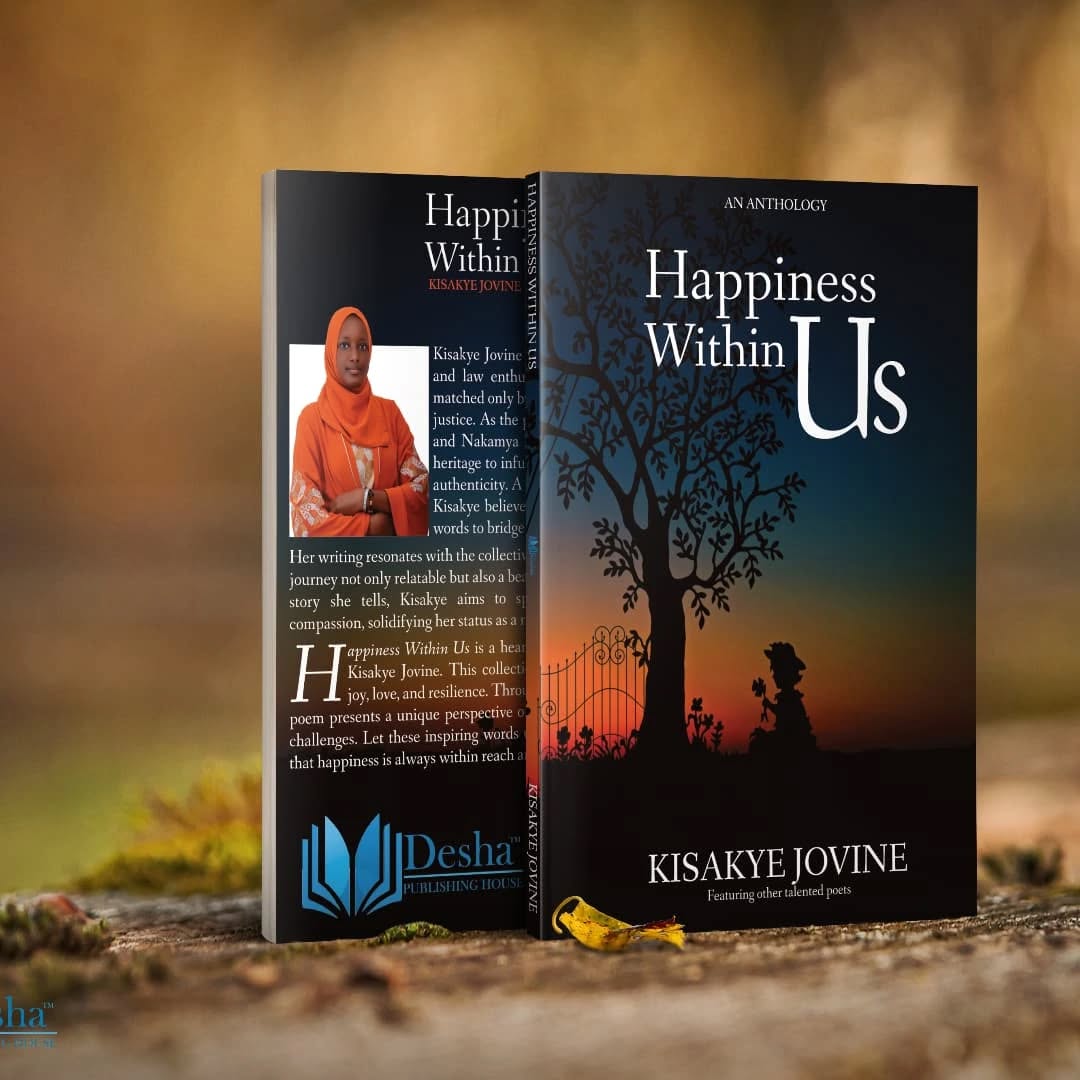
The actual journey of writing 'Happiness Within Us' started with a personal period of introspection and self-discovery. I felt a strong urge to explore the themes of love, passion, and creativity—elements I believe are fundamental to finding inner peace and joy. I began writing more intentionally, allowing my emotions and experiences to guide my pen. It was a process of both vulnerability and empowerment, and I'm incredibly grateful to share these poems with the world. I am grateful for the support of my parents.
What inspired you to become a writer, and what motivates you to continue writing?
What inspired me to become a writer? That's a question I've pondered many times. I think it was a confluence of things. Firstly, a deep love for reading, which I inherited from my parents. Immersing myself in stories and poems opened my eyes to the power of language and the ability to create worlds and evoke emotions through words. Secondly, a natural inclination towards introspection. I've always been someone who processes my experiences and feelings through writing. It was a way to make sense of the world and to connect with my inner self. And thirdly, I think there was always a desire to share something meaningful with others, to offer a perspective or a feeling that might resonate.
As for what motivates me to continue writing, it's a combination of things. Primarily, it's the sheer joy of the creative process itself. The act of putting words on paper, of crafting a poem or a story, is incredibly fulfilling. It's a way to explore my thoughts and feelings, to discover new insights, and to express my unique voice.
Beyond that, I'm motivated by the potential to connect with readers. Knowing that my words might touch someone, inspire them, or offer them a moment of solace is incredibly rewarding. And honestly, the world itself is a constant source of inspiration. There are always fresh stories to tell, new emotions to explore, and new ways to express the beauty and complexity of life. So, the inspiration and motivation just keep flowing.
What is the central theme or message that you aim to convey through your poetry collection, "Happiness Within Us!"?
The central message I aim to convey through 'Happiness Within Us' is that true and lasting happiness is an internal journey, a state of being that we cultivate within ourselves. It's not about chasing external circumstances or material possessions, but about tapping into the power of love, passion, and creativity.
I wanted to explore the idea that these three elements—love in its many forms, the pursuit of our passions, and the act of creative expression—are essential pathways to inner peace and joy. The poems in this collection are an invitation to readers to look inward, to discover their own sources of happiness, and to embrace the beauty and resilience of the human spirit.
Ultimately, 'Happiness Within Us' is a celebration of the power of self-discovery and the belief that we all have the capacity to create a life filled with meaning and fulfillment.
Can you walk us through your creative process when writing this collection? How did you select the poems that made it into the final publication?
My creative process for 'Happiness Within Us' was a deeply personal and often intuitive journey. It wasn't a linear process; rather, it was a series of moments of inspiration, reflection, and refinement.
Often, a poem would begin with a feeling, an image, or a phrase that resonated with me. I'd jot it down in my notebook and then allow it to develop organically. Sometimes, poems would flow quickly, while others required more time and contemplation. I found myself drawing inspiration from everyday experiences, from nature, from my internal landscape, and, of course, from the themes of love, passion, and creativity that were central to the collection.
I also believe in the importance of revision. I spent a considerable amount of time refining my poems, paying attention to the rhythm, the imagery, and the overall message. I wanted each poem to feel authentic and to resonate with the reader.
When it came to selecting the poems for the final publication, it was a process of careful curation. I wanted to create a collection that felt cohesive and that flowed naturally from one poem to the next. I looked for poems that best embodied the central themes of the book, that offered a variety of perspectives and emotions, and that felt most resonant and impactful.
I also considered the overall arc of the collection, ensuring that it took readers on a journey of self-discovery and ultimately left them with a sense of hope and inspiration. It was a challenging but rewarding process, and I'm incredibly proud of the final selection.
How do you think your poetry collection reflects the experiences and perspectives of Ugandan women, and what do you hope readers take away from it?
As a Ugandan woman myself, my experiences and perspectives naturally inform my writing. While 'Happiness Within Us' explores universal themes of love, passion, and creativity, these themes are inevitably filtered through my cultural lens.
I believe my poetry reflects the strength and resilience that I see in Ugandan women. We are women who navigate complex societal expectations, who balance tradition with modernity, and who find joy and creativity even amidst challenges. My poems are a testament to the inner strength that I believe many Ugandan women possess, the ability to find 'happiness within us' even when external circumstances are difficult.
I hope my collection offers a space for Ugandan women to see their own experiences reflected and validated. I want them to feel seen and heard and to know that their voices matter. I also hope that my poetry challenges stereotypes and provides a more nuanced portrayal of Ugandan womanhood.
More broadly, I hope readers from all backgrounds take away a sense of hope and inspiration. I want them to understand that happiness is accessible to everyone, regardless of their circumstances. I want them to feel empowered to embrace their creativity, pursue their passions, and cultivate love in their lives. Ultimately, I hope 'Happiness Within Us' reminds readers that we all have the capacity for inner strength and joy.
Your poetry touches on themes of love, identity, and social justice. Can you discuss how feminism influences your writing and how you aim to use your poetry as a form of social commentary?
Feminism is a fundamental lens through which I view the world, and it naturally permeates my writing. It's not about writing overtly 'feminist' poems but about infusing my work with a consciousness of gender equality and social justice.
My understanding of feminism is rooted in the belief that all individuals deserve equal rights and opportunities, regardless of their gender. This informs how I portray women in my poetry. I aim to move beyond stereotypical representations and to celebrate the strength, complexity, and agency of women. I want to give a voice to the experiences of women who are often marginalised or silenced.
In terms of social justice, I believe that poetry has the power to raise awareness, challenge assumptions, and inspire change. It can be a powerful tool for social commentary. I use my poetry to explore issues such as gender inequality, social injustice, and the impact of cultural norms on individuals and communities.
For example, I might write about the pressures placed on women to conform to certain beauty standards or the challenges faced by women in accessing education or economic opportunities. I want to create poems that spark dialogue, that encourage critical thinking, and that inspire readers to take action.
Ultimately, I see my poetry as activism, a way to contribute to a more just world. I believe that by sharing my own experiences and perspectives, I can help to create a space for others to share theirs, and to work together towards positive change.
How do you think poetry can be used as a tool for social change, particularly in the Ugandan context?
Poetry, I believe, has immense potential as a tool for social change, especially in a context like Uganda. It can be a powerful voice for the voiceless, a catalyst for dialogue, and a means of preserving and transforming our cultural narratives. In Uganda, where oral traditions are deeply ingrained, poetry naturally resonates with people.
It can be used to raise awareness about critical social issues, such as gender inequality, poverty, and environmental degradation, in a way that is both accessible and impactful. Here are some specific ways poetry can be a tool for social change in Uganda: Amplifying Marginalized Voices: Poetry can give a voice to those who are often overlooked or silenced, such as women, youth, and rural communities. It can provide a platform for them to share their experiences and perspectives.
Promoting Dialogue and Critical Thinking: Poetry can spark conversations and encourage critical reflection on social issues. It can challenge assumptions, raise uncomfortable questions, and inspire people to think differently.
Preserving and Transforming Cultural Narratives: Poetry can be used to preserve our rich cultural heritage while also challenging harmful traditions and promoting positive change. It can help us reimagine our collective identity and create a more inclusive and equitable society.
Raising Awareness and Mobilizing Action: Poetry can be used to raise awareness about social issues and mobilize people to take action. It can inspire them to get involved in community initiatives, to advocate for policy changes, and to work towards a more just and sustainable future.
Emotional Connection: Poetry can create emotional connections that facts and figures alone sometimes can not. This allows for a deeper and more meaningful understanding of situations. In Uganda, where access to traditional media may be limited, poetry can be shared through community gatherings, school events, and online platforms. It can be performed, recited, and shared in local languages, making it accessible to a wide audience. Ultimately, I believe that poetry can play a vital role in shaping a more just, equitable, and compassionate society in Uganda. It can be a powerful tool for healing, for transformation, and for building a brighter future.
What do you think is the current state of Ugandan literature, and how do you see your work contributing to the country's literary landscape?
The current state of Ugandan literature is vibrant and evolving, with a growing number of writers exploring diverse themes and styles. We're seeing a resurgence of interest in storytelling, both in English and in local languages, and a greater recognition of the importance of representing our own experiences and perspectives. There's a burgeoning community of poets, novelists, and playwrights who are challenging traditional narratives and pushing the boundaries of creativity. We're also seeing a rise in independent publishing and online platforms, which are providing new avenues for writers to share their work. However, there are also challenges. Access to resources, funding, and publishing opportunities can be limited, particularly for writers outside of Kampala. There's also a need for greater recognition and support for Ugandan literature on the international stage. I see my work contributing to the Ugandan literary landscape in several ways: Amplifying Women's Voices: As a Ugandan woman, I'm committed to sharing stories and perspectives that reflect the experiences of women in our society. I hope my poetry contributes to a more inclusive and representative literary landscape. Exploring Contemporary Themes: My poetry explores contemporary themes such as love, identity, and social justice, which are relevant to the lives of many Ugandans today. I hope my work resonates with readers and encourages them to engage with these issues. Contributing to the Growth of Ugandan Poetry: I'm passionate about the power of poetry to connect people and inspire change. I hope my work contributes to the growth and development of Ugandan poetry as a vibrant and dynamic art form. Creating a Space for Dialogue: I hope my work sparks conversations and encourages critical thinking about our society. I believe that literature has the power to bring people together and to foster understanding. Adding to the body of work: Simply by adding my voice and my collection to the existing literary works, I am contributing to the growth of the Ugandan literary landscape.
I believe that Ugandan literature has a bright future, and I'm excited to be a part of its ongoing evolution.
How do you draw inspiration from Ugandan culture and traditions in your writing?
Ugandan culture and traditions are a rich tapestry that deeply influences my writing. They're part of my integral creative process.
Firstly, the oral traditions, storytelling, the proverbs ,and folk songs that are so deeply ingrained in our culture are a constant source of my inspiration. I draw upon the rhythms and Candace of these oral forms, the way stories are passed down through generations and wisdom embedded in our proverbs. I try to weave these elements into my poetry, creating a sense of connection to my heritage.
Secondly, the vibrant landscape and the natural beauty of Uganda are a powerful source of inspiration. The lush greenery, the majestic mountains and flowing rivers, these images find their way to my poems, reflecting the beauty and wonder of our land, Uganda. I also find my inspiration in the everyday life of Ugandans, in the resilience of our people and in the spirit of community that binds us together.
Thirdly, the cultural values, the sense of ubuntu ( humanity) , the respect for elders, and the importance of family shape my worldview and inform my writing. I explore themes of community, connections, and the importance of preserving our traditions in a transforming world.
I believe that it's important to celebrate and preserve our cultural heritage while also finding ways to adapt and strengthen it in a modern context.
My writing is a way for me to honor my roots, to share the beauty of Ugandan culture with the world and to contribute to the ongoing dialogue about our identity and our future.
What advice would you give to aspiring writers, particularly young women in Uganda, who may be looking to start their writing journeys?
To aspiring writers outside there, especially those who are starting their journeys, I would offer;
Read widely and deeply: Immerse yourself in the world of literature, both Ugandan and international. Read everything you can get your hands on, poetry, novels , short stories and pay attention to the way writers use language and develop characters and craft stories.
Write regularly, make writing a habit . Even if it's for a few minutes each day, dedicate your time to putting words on a paper. The more you write, the stronger your voice will become.
Embrace your unique voice, and don't be afraid to write about your own experiences, your own perspectives, and your own cultural heritage. Your voice is unique and valuable and the world needs to hear it.
Be patient and persistent, since writing is a journey, not a destination. There will be challenges and setbacks, but don't give up on your dreams. Keep writing, keep learning and keep growing.
Seek out Ugandan stories and read Ugandan authors, both modern and past. Learn from them and add to the wonderful body of work that they have created.
Believe in yourself, and most importantly, believe in your ability to create meaningful and impactful work. Your voice matters, your stories matter, and your contribution to the Ugandan literary landscape matters.
Remember, your stories have the power to inspire, heal and to transform. Embrace your passion , nurture your talent and share your gift to the world.
What are your plans for future writing projects, and how do you see your writing evolving in the coming years?
I'm incredibly excited about the future of my writing. 'Happiness Within Us' has opened up so many avenues for me, and I'm eager to explore them further.
In terms of future projects, I'm currently working on a novel that delves deeper into the themes of identity and belonging, particularly within the Ugandan diaspora. It's a story that's been brewing in my mind for a long time, and I'm thrilled to be bringing it to life. I also plan to continue writing poetry, exploring alternative forms and themes, and perhaps even experimenting with combining poetry and other art forms, like visual arts or music.
I also have a strong desire to create more children's literature, stories that celebrate Ugandan culture and inspire young readers to embrace their own creativity and potential.
In the coming years, I see my writing evolving in several ways: Deeper Exploration of Themes: I want to delve deeper into the complexities of human experience, exploring the nuances of love, loss, identity, and social justice. Expansion of Forms: I'm interested in experimenting with different literary forms, pushing the boundaries of traditional genres, and finding new ways to express my creative vision. Increased Community Engagement: I want to use my writing to connect with readers and to foster a sense of community. I plan to host workshops, readings, and other events that bring people together through the power of storytelling. Greater Impact: I hope that my writing will have a greater impact on readers, inspiring them to think differently, to feel more deeply, and to take action in their own lives. Continued Growth: I want to continue learning and growing as a writer, honing my craft and expanding my knowledge of literature and the world around me. I believe that writing is a lifelong journey, and I'm excited to see where it takes me.
Ultimately, I want to create a work that is both meaningful and impactful, work that resonates with readers on a deep level and that contributes to a more just and compassionate world."
Finally, what do you hope readers of "Happiness Within Us!" take away from your poetry collection, and how do you hope it will resonate with them?
Ultimately, I hope that readers of 'Happiness Within Us' take away a deep sense of hope and empowerment. I want them to realise that happiness is not something elusive or unattainable but a state of being that we can cultivate within ourselves.
I hope they find inspiration to embrace love in all its forms, to pursue their passions with unwavering dedication, and to tap into the boundless wellspring of their own creativity. I want them to understand that these elements are not just fleeting moments of joy but the building blocks of a fulfilling and meaningful life.
I hope that my words resonate within them long after they've finished reading, that they spark introspection and self-discovery, and that they encourage them to look inward for the answers they seek. I hope that my poetry acts as a gentle reminder that, even during life's challenges, we all have the capacity for inner strength, resilience, and joy.
More than anything, I hope that 'Happiness Within Us' leaves readers feeling seen, heard, and understood. I want them to know that they are not alone in their journey and that there is beauty and hope to be found in every moment. I hope that my poems serve as a reminder that happiness is not a destination but a continuous process of growth, discovery, and self-love.
About the author
The Critique Magazine is an independent publication dedicated to critical thought, creative expression, and public debate. It serves as a platform where writers, journalists, and thinkers share perspectives on literature, politics, human rights, and social issues affecting society. The magazine encourages open dialogue and challenges conventional ideas through essays, commentary, and analysis.