
In the Name of Art
We have abandoned the slow fire for fleeting flames, serving art before it ripens, and wondering why it fails to feed the soul.
28 Mar, 2026
Share
Save
Whilst growing up, my source of joy was never Ugandan art—local art. My source of comfort and serenity was from art-not-Ugandan. However, ever since I discovered that I could write and I had potential, I decided to change my mindset towards anything Ugandan. I am interested in a lot of local content—enjoying what I am familiar with. This has become part of me. However, what are we doing in the name of art?
This year has been a mixed feeling. Digging and searching for different authors beyond my circle. My goal is to read many Ugandan writers—2,000 titles from different local authors. Will I achieve this goal? We shall see! My heart sometimes breaks whenever I read poor work written by people from my country. I feel sad that we complain about a poor-reading culture in Uganda, but we fail to understand why people are not purchasing our content. Uganda has unique talents that are untapped, but these unique talents do not understand the process of writing. These talents are “raping” the art in the name of art.
A friend of mine has a unique mantra: “Writing is not a fast-food business." This is a reflective mantra/phrase. You mustn’t panic after reading that statement. The fast-food business is tempting, sweet, finger-licking, and delicious—within minutes, you are served your fries with a chicken breast (depending on what you desire to be served). However, it is incumbent to note that the fast-food business is bad for one's health. Some equate such foods to lifestyle diseases. This friend of mine understood the concept of diseases as related to fast food. Therefore, there is no logic in eating fast food if you intend to live longer and healthier. You must prepare your dish with care and creativity in order to create an aroma that attracts all your neighbours to your house/home. Such is how art should be treated.
Treat art like a local dish that needs attention from the cook. For instance, I would relate art to preparing matooke. I have not yet found a person who has invented a machine that peels matooke. You go through the process of preparation with care and attention. Cooking this local dish is artistic, and one must understand that matooke could go bad while on cooking stones—in Luganda, it translates as “emmere okukkona”. Such is the preparation it takes while cooking such a local delicacy. The cook must wait patiently, listening to the sound of the food boiling inside the chemistry of banana leaves, keeping the nose alert to check whether the water is “over” and there needs to be more water added. The matooke, later, when ready, must be pressed "okunnyiga." Then put it back to boil more and more—okuboobeza. That is the difference between fast food and local foods. What are we doing in the name of art? The difference between fast food and local food is the time for preparation of both dishes. In many exotic restaurants, the time required to prepare these dishes is equated with money. A local dish is more expensive than a fast-food dish. Cheap is expensive in the long run.
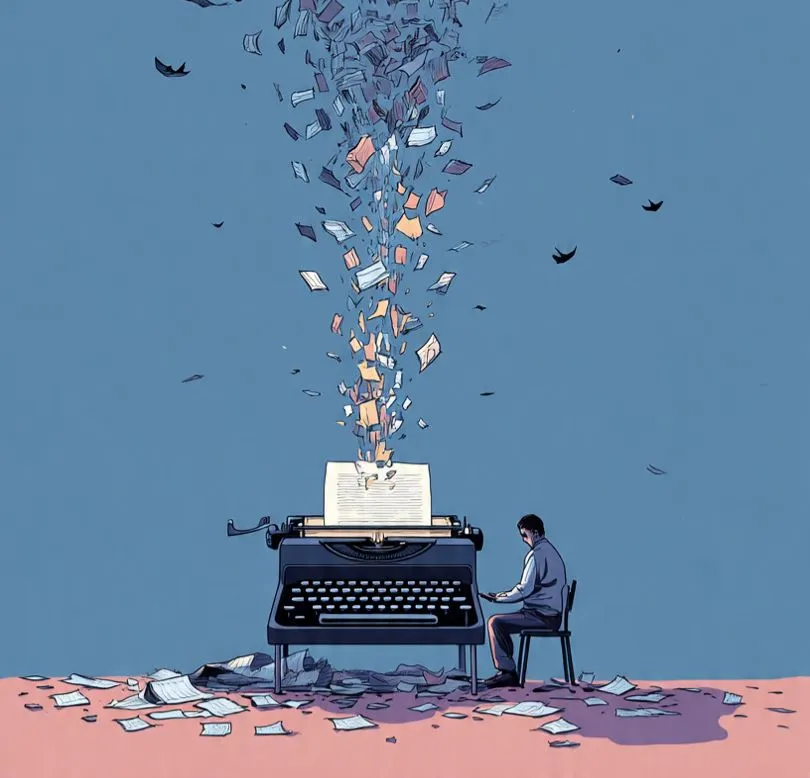
Many writers in Uganda are the authors, editors, cover designers, and printers. They never offer a chance to experts of different attributes to advise them on the process of the writing process. They are the alpha and omega, and no one understands better than them. In the end, when people complain about the work, they are angry and sad. They then shift the blame to the readers and fail to take charge and listen to their readers—the lifestyle diseases of fast food become the order of the day as we wrestle with obesity and diabetes daily. That is what we do in the name of art. We fail to produce good work and shift blame. Perhaps the readers are correct. Maybe our work needs proper attention before we release it to them. Perhaps we listen to them and improve ourselves. Perhaps we learn the art of preparing a local dish, where art is learned by patience and passed on from one generation to another.
In the name of art, a cook preparing a local dish must learn from an expert of that particular dish before doing their “exams” or cooking trials. There are stages of growth during the preparation of a local dish. Some cooks begin early to learn the art;
The young cook sits down with an expert cook and begins by learning how to peel the matooke. The young cook is taught how to hold a knife and peel. The expert cook begins by providing a blunt knife to check how efficient the young cook is with the knife, then later, if they have mastered the basics, they are offered the sharp knife to see how best they peel the matooke. The expert cautions the young cook about the possibility of “okubaguulula emmere." Thus, they are taught through participatory observation how to peel. Later, when the first step is mastered, speed begins because the young cook is now an expert at peeling matooke.
The young cook goes on to learn the aspect of preparing "entamu." This, too, is art learned with time. The expert cook teaches the young cook the importance of using “endagala, emizinngoonyo/ebikolokomba.” How to pour water into the entamu and understand the chemistry around the steamed foods. The expert teaches the young cook the traditions of preparing matooke before cooking. Some go beyond understanding the rituals that come with putting the food inside the entamu; if the first matooke finger stands, it could mean you have a visitor. The young cook gets to understand the process and appreciate the value of patience.
Preparing cooking stones, the usage of firewood, the art of igniting the fire, blowing air, and providing life to the process.
Food is then placed on the cooking stones as it is observed. Here, the eyes, nose, and ears are active for the young cook to understand this stage/process. This is a crucial stage because here we witness the storytelling of making a wonderful dish or a bad dish. The young cook must pay attention and understand the fire and wood fuel, and how to balance them to make a wonderful dish. This is where the gist of the story of matooke-making lies.
When ready, it is pressed and put back on the cooking stones to cook for more minutes, as the young cook is then taught the art of preparing plates for food. Who receives food first, and who goes last? This understanding of the science of marketing young cooks to the entire family that she/he is ready to stand on their own and make a wonderful meal later on when there is no maximum supervision. The family learns to eat in silence and appreciate the young cook for cooking. They will often say: “ofuumbye nnyo…”
In the olden times, the family sat down “kuluggyuliro” and enjoyed the meal that had been prepared with care and patience.
Many times, this process of preparing local food takes days, months, and years for a young cook to grasp and also become a master. This process involves patience and discipline. The young cook needs to understand that the best way of perfecting her meals is through participating in that same activity over and over again until she becomes better, with the help of an expert.
In the writing of our books, Ugandans behave like fast food. They panic. They are quick to publish content without understanding the process and appreciating the art. The process of preparing local foods involves the young cook burning his/her fingers. Smoke sickening his/her lungs, but they never give up because they want to understand the process and perfect it—that is how the countries we admire in writing treat their art.
So, what are we doing in the name of art?
About the author
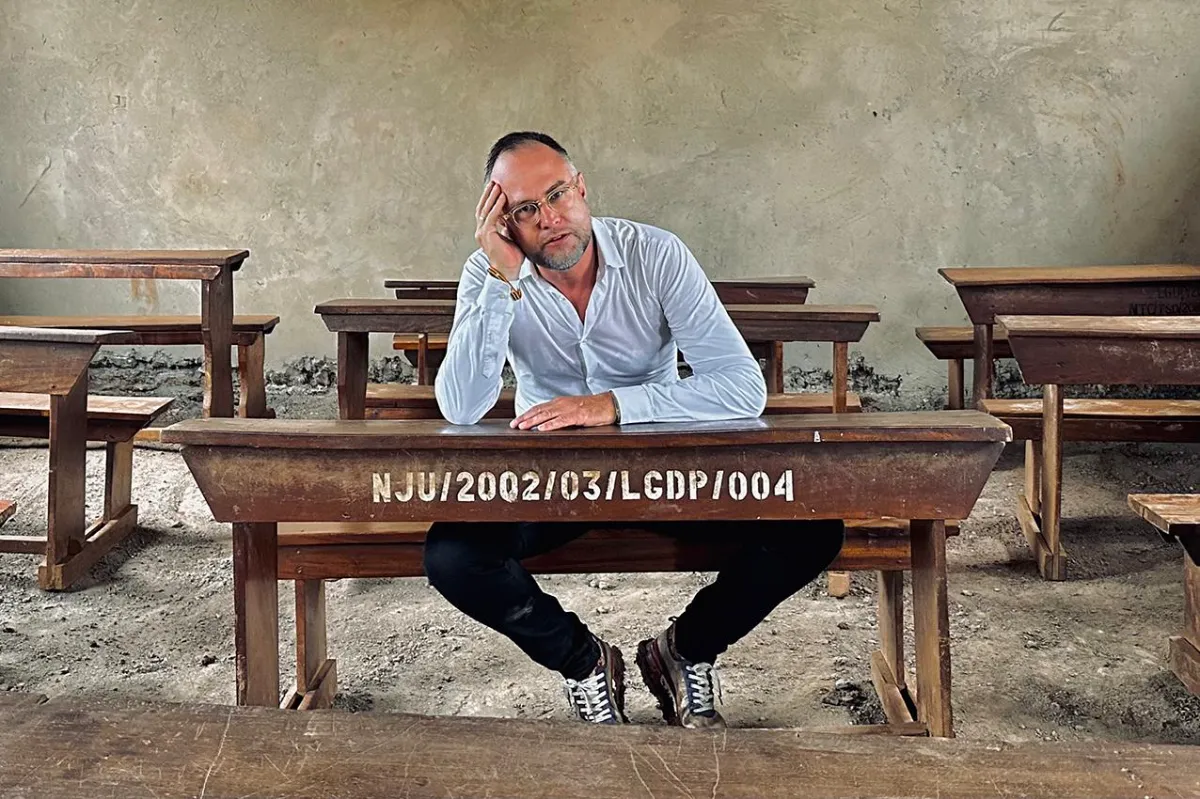
Born and raised in Uganda. Studied Science in Population Studies at Makerere University. He is a poet, playwright, and book reviewer. He has authored his first-ever commercial book called "The Muchwezi, The Flower & The Suitor" He is a shy person in real life; he fears looking people in the eyes. A broken person, unlucky in love and confused when he will find true Lover but passionate about People. He is an author of many unpublished poems, plays and novels due to financial constraints. When you see his books, please buy and support Him.