To Be Talented or Not to Be Talented: That Is the Issue
This is not the rise of a creative generation, but the normalisation of mediocrity, where the discipline of writing is sacrificed at the altar of attention.
23 Mar, 2026
Share
Save
Towards the tail-end of February, I was reading a poorly written book of poetry that reminded me of Hamlet’s Soliloquy in William Shakespeare’s play Hamlet: “To be, or not to be: that is the question: whether ‘tis nobler in the mind to suffer…”
The above quote is a deep philosophy mirroring the human condition of life, pondering about life and death—which is better? The whole idea with Hamlet’s (in)famous quote is the troubles we all face with the complexities of life and choices, whether we shall be divine or immortal or merely passers-by in this realm. That is why I say, “To be talented or not to be talented: that is the issue."
The mechanics of talent are hard to understand; many times, talent is honed according to the kind of genre people partake in. For instance, a young Mozart enters the Sistine Chapel and listens to Gregorio Allegri’s Miserere twice, then begins transcribing the entire song from memory—that is talent—to be talented—a born musician. Similarly, C.S. Lewis, the author of “The Chronicles of Narnia” series, started his journey of writing at age 10. That is talent—an exhibition that creativity can start at a very young age.
Over the years, “to be talented or not to be talented” has increasingly perplexed many admirers of creation, where individuals truly don’t understand the process of creativity, but the “world” considers them talented—I am failing to understand the new wave of third-generation creatives, especially writers.
Writing as a style of art is sacred in its own rite, like how the Catholics considered Allegri’s Miserere mei, Deus as sacred music that was only performed in the Sistine Chapel, which only a select few were allowed to hear. Equally, I consider writing as sacred, so before someone embarks on writing, there should be a divine being within them pushing them to make words make meaning.
However, lately, the writing has lost the illuminating touch because of the many “trauma” writers on social media professing their prowess at the pen. These writers study at a first-class university, a ticking requirement that lands even the most average writer in a big publication company—such a kind of wine often gets the attention, not the talent. We are in a generation that poorly weaves poetry and are emotional about comments and reviews. A generation that is not talented.
To be talented or not to be talented: that is the issue. We might begin picking our poison from now on. Like in Hamlet, where there is an existential conundrum, we should choose wisely what we truly are. We should understand that some of us are not meant to be writers but readers. The sacred genre is losing meaning day by day to many third-generation Insta-writers with fame but no talent. I think we should begin calling out the realities of life.
In a nutshell, we all should explore the complexities of existence like Hamlet. We should understand ourselves before indulging in any form of choice. The conflicting desires and our true selves should not cloud our judgments.
About the author
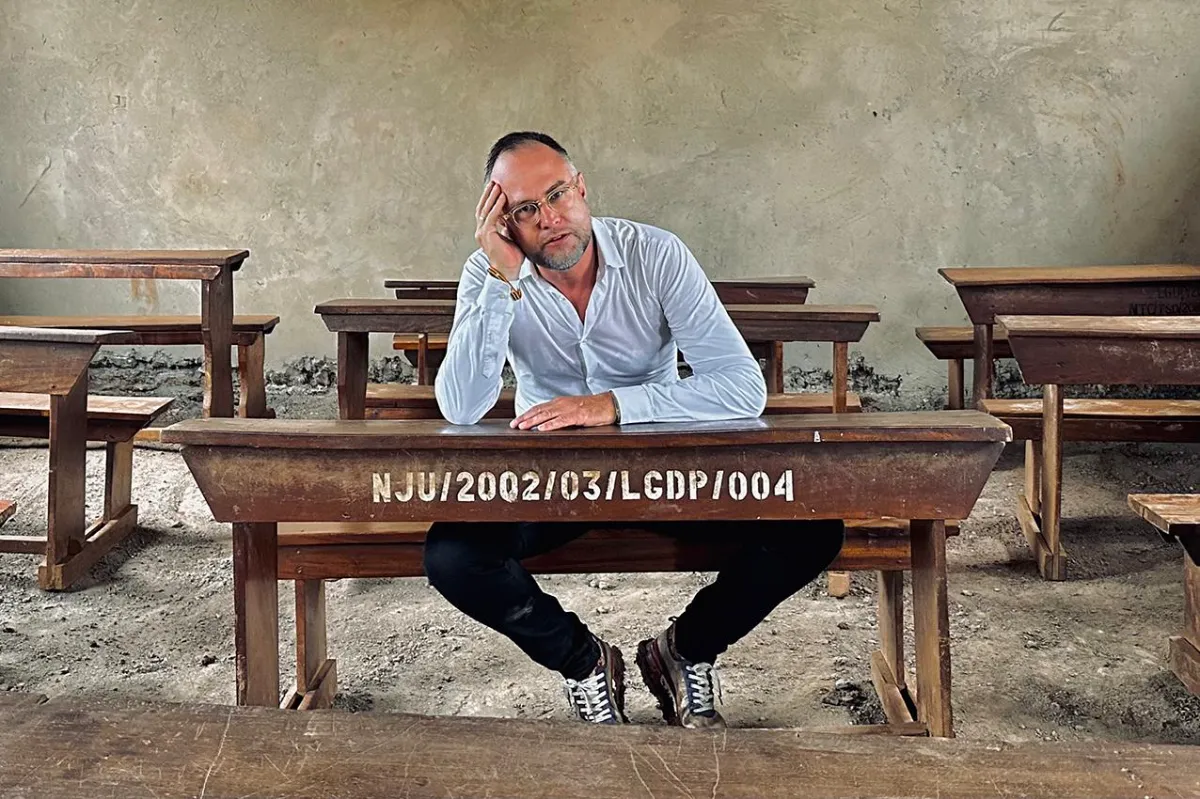
Born and raised in Uganda. Studied Science in Population Studies at Makerere University. He is a poet, playwright, and book reviewer. He has authored his first-ever commercial book called "The Muchwezi, The Flower & The Suitor" He is a shy person in real life; he fears looking people in the eyes. A broken person, unlucky in love and confused when he will find true Lover but passionate about People. He is an author of many unpublished poems, plays and novels due to financial constraints. When you see his books, please buy and support Him.


.webp)