

Kakwenza’s Ideal Uganda
The writer imagines a Uganda beyond power and privilege—a manifesto for renewal or merely naïve ideas?

31 Oct, 2025
Share
Save
On October 29 at exactly 6:07 pm EAT, Kakwenza Rukirabashaija, a Ugandan political writer, critic, and exile in Germany, on his Facebook page, wrote what one would call a modest proposal for what he called a “new Uganda,” which many Ugandans are hungry for amidst the country’s political quagmire under President Museveni, who has been in charge for close to forty years.
Kakwenza’s ideas, which we publish here verbatim, have sparked vivid and even cross-regional debate among our readers. The writer and journalist Godwin Muwanguzi and the German filmmaker Konrad Hirsch, for instance, fiercely disagree over the merits and feasibility of Kakwenza’s vision. We published their debate, along with additional reader reactions, under the title The Dispute.
Kakwenza writes:
In the new Uganda, politicians will be the lowest-paid public servants. Parliament will meet on Zoom—no travel to Kampala, no allowances, no privileges. Every legislator will stay in their constituency, living among the people and using the same hospitals, schools, shops, and roads.
The minimum qualification for the office will be a master’s degree in policy and governance, political science, anthropology, or law.
Parliament will have a limited role in the budgeting process; there will be another professional body, like the National Planning Authority, led by highly educated men and women in each department to do the budgeting and allocation. There is nothing to debate about whether to buy medicine, build schools, or repair roads. Parliament's sole purpose will be to legislate—to create, amend, or repeal laws.
The Penal Code will be decolonised. Theft of public funds, influence peddling, and other corruptions will attract the harshest sentence, rooted in an African sense of justice: proportional punishment—an eye for an eye. Laws against marijuana will be deleted and forgotten, and replaced with safeguards.
Dating for leisure will be abolished. If a council of village elders finds you courting for fun, you will be married immediately. Family values first. No fornication.
Each parish will have a public library, and reading fewer than twenty books a year will be a punishable offence.
No one may join social media before completing university, and every account must be verified with proof of age and identity. Technology companies will be tightly regulated, and algorithms will be banned for fostering echo chambers of confirmation bias and suffocating dissenting views or information.
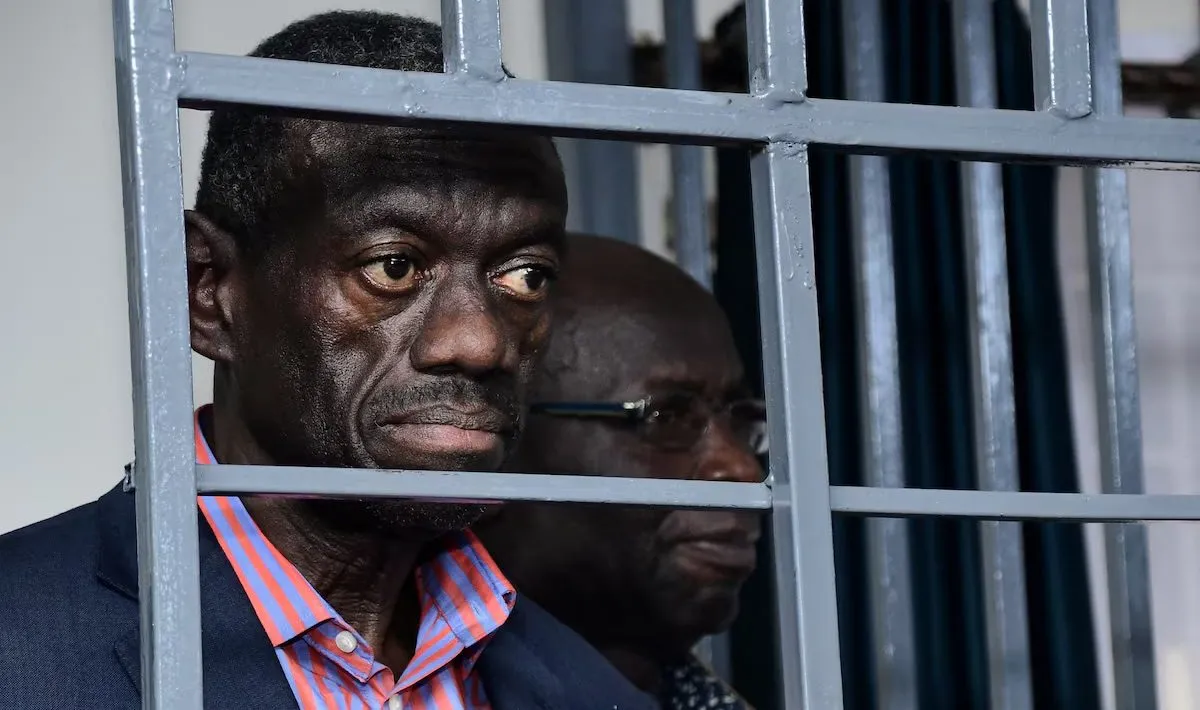
Photo Credit: Konrad Hirsch
About the author
The Critique Magazine is an independent publication dedicated to critical thought, creative expression, and public debate. It serves as a platform where writers, journalists, and thinkers share perspectives on literature, politics, human rights, and social issues affecting society. The magazine encourages open dialogue and challenges conventional ideas through essays, commentary, and analysis.



.webp)