
The Dispute
Kakwenza—Pro or Contra: Two Voices, One Question—What Kind of Uganda Do We Want?
02 Nov, 2025
Share
Save
Kakwenza’s bold vision of a Uganda free of entrenched power and privilege, recently published by our magazine under the title Kakwenza’s Ideal Uganda, has stirred intense debate. Is his manifesto a blueprint for genuine renewal or an idealistic dream detached from reality?
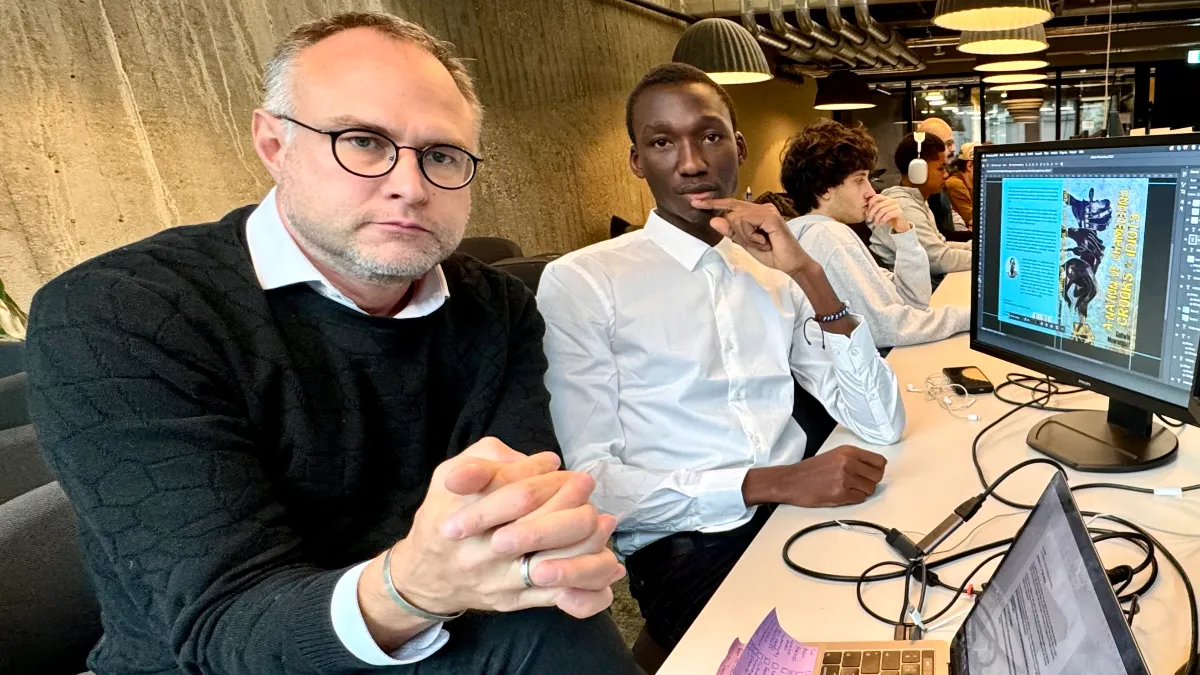
To dig deeper, we invited two voices with starkly opposing views: Ugandan writer and journalist Godwin Muwanguzi, who defends Kakwenza’s propositions, and German filmmaker Konrad Hirsch, who challenges them. Their exchange, lively and uncompromising, mirrors the hard questions that many Ugandans—and observers abroad—are now grappling with.
GODWIN MUWANGUZI: Let’s not sugarcoat it—Uganda is choking under a corrupt kleptocracy. Something needs to give, and Kakwenza’s proposal is at least bold enough to shake the table. What are you defending here, Konrad? A rotten parliament? Ministers who treat public funds like personal ATMs?
KONRAD HIRSCH: Spare me the heroic speeches, Godwin. Bold doesn’t mean good. Kakwenza’s proposal isn’t radical; it’s a tantrum on paper. Cutting MP salaries to the lowest? That’s not reform; that’s performative punishment. You think corrupt people magically become saints just because they’re broke? Grow up.
GODWIN: Oh, I’m grown, thank you. What about Uganda’s bloated allowances? MPs get paid to breathe air. Force them to live where they legislate—among the same people who suffer the consequences of their misrule—and maybe they'll start caring. Remote Parliament isn’t utopian; it cuts out the corruption circus that bloats Kampala.
KONRAD: Yeah? And it also cuts out real deliberation, negotiation, and human connection. You know—stuff democracy needs. Zoom Parliament is fine for tech bros in Berlin cafes, not a nation where half the population doesn’t have reliable electricity. You’re pretending Uganda is Sweden when it’s not even fully electrified.
GODWIN: Alright, Mr European Observer—what about Kakwenza’s idea to remove budgeting from the hands of these clowns? You think MPs in Uganda debate budgets out of national interest? No—they’re bartering favours. Let experts decide where money goes. You wouldn’t let a toddler play with matches, so why let unqualified politicians play with national budgets?
KONRAD: Oh, brilliant—just hand over the country to unelected technocrats. You don’t fix a broken democracy by cancelling it. And what qualifies these “experts”—a PhD? A surname starting with K? Uganda doesn’t need a new tyranny of brains; it needs genuine accountability and participation. Give the budget to pencil-pushing elites, and you’ll get corruption with a university seal on it.
GODWIN: And that’s rich coming from you—defending the status quo while pretending to be woke. Let’s talk education. Kakwenza is right: we need informed leaders, not recycled warlords with honorary diplomas. Requiring a master’s degree in law, policy, or anthropology isn’t elitism—it’s basic quality control.
KONRAD: Unbelievable. Education isn’t the only marker of intellect or moral strength. Ever heard of Mandela? Nkrumah? They weren’t Ivy kids. You’ve gone from radical to ridiculous. Uganda has farmers who understand their communities better than any urban academic. And you want to disqualify them from governance because they don’t have a scroll on the wall? That’s not progressive; that’s colonial elitism dressed up as reform.
GODWIN (heated): Oh, please! Mandela studied law. Nkrumah was highly educated. Don’t cherry-pick what suits you. Uganda needs brains, not brute populism. And don’t pretend education isn’t important when we’re drowning in incompetent leadership.
KONRAD (sharply): And don’t pretend education guarantees integrity when even your hero didn’t finish his own program. If Kakwenza had an ounce of humility, he would’ve started with reforming access to education, not gatekeeping power. His proposals aren’t democratic—they’re punishments for the poor.
GODWIN: Punishment? Like what—forcing people to get married for having sex? You think I support that nonsense? That’s where Kakwenza loses the plot. Policing dating, banning fornication, regulating who gets to use social media—what is this, the Taliban in a suit? That’s not a new Uganda. That’s BDSM governance for the masses.
KONRAD: Finally, we agree. That part of the manifesto is not just authoritarian—it’s creepy. Imagine a bunch of village elders forcing two adults to marry because they kissed under a mango tree. If that’s the future, count me out. But this is my point: Kakwenza’s manifesto isn’t a manifesto. It’s a collection of angry one-liners wrapped in revolutionary cosplay. Real change is slow, thoughtful, and painful. Not reactionary, not puritanical, and definitely not elitist.
GODWIN: Okay, so what’s your solution? More of the same? More stolen billions, more dead hospitals, more bought elections? At least Kakwenza is trying to wake people up.
KONRAD: Wake them up? Or scare them into silence behind academic gates and cultural police? Change doesn’t mean rebellion without a plan. It means building systems that trust people—not punish them. The only democracy worth fighting for is one that includes everybody. Not just the educated. Not just the angry. Godwin, Uganda, doesn’t need a revolution of rage. It needs a revolution of the people, with the people. Not above them. Not in spite of them. And definitely not without them.
GODWIN: Wow, though heated, this debate has been resourceful, and I am glad we had to digest this and reach an inference that true liberation is inclusive, that it is not limited to degrees.
KONRAD: Sure, Godwin, it’s been intense debating with you—tough, direct, but productive. But you know what really hit me during our whole exchange? We talked about politics, society, morality, and education—just about everything. And yet we completely left out one crucial perspective: that of women. Half of Uganda’s population has been absent from this conversation—not just in Kakwenza’s manifesto, but in our debate as well. That’s more than an oversight. That’s part of the problem. The next debate I have will be with a woman! Not because she’s a woman, but because any discussion about a ‘new Uganda’ that excludes women’s voices is just recycling the same old patriarchal nonsense. That’s not revolution—it’s reproduction. Of the same.
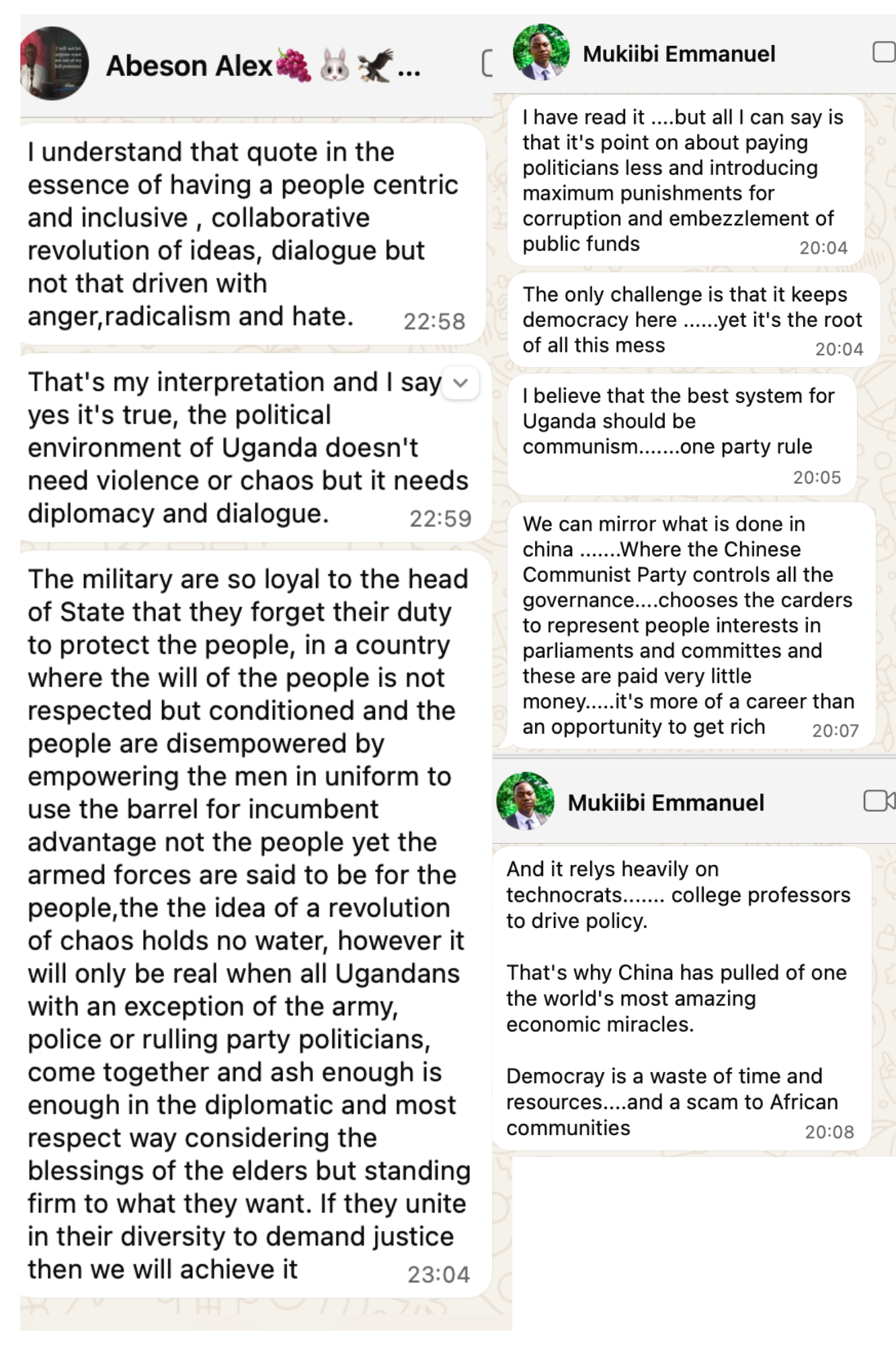
Comments from our readers regarding Kakwenza's manifesto:
Feature Photo Credit: Tatenda
About the author
The Critique Magazine is an independent publication dedicated to critical thought, creative expression, and public debate. It serves as a platform where writers, journalists, and thinkers share perspectives on literature, politics, human rights, and social issues affecting society. The magazine encourages open dialogue and challenges conventional ideas through essays, commentary, and analysis.

.webp)