Key Discussions and Recommendations from the Continental Conference on the Promotion of Economic and Social Rights of Women, Including in the Context of Extractive Industries
Women’s socio-economic rights and gender equality in Africa’s extractive industries.
09 Oct, 2025
Share
Save
Accra, Ghana, 25th–26th September 2025
The international community has reaffirmed its commitment to advancing all human rights, notably through the 2023 commemoration of the 75th anniversary of the Universal Declaration of Human Rights and the 30th anniversary of the Vienna Declaration and Programme of Action. Numerous states have pledged to eradicate extreme poverty, ensure universal health coverage, education, and social protection, and address disparities in economic, social, and cultural rights.
Despite these global commitments, significant inequalities persist in women’s access to healthcare, particularly regarding their sexual and reproductive health and rights (SRHR). While many initiatives aim to promote universal health coverage, women—especially those in marginalised communities—continue to face barriers such as limited access to information, inadequate infrastructure, cultural stigmas, and discriminatory laws that hinder their ability to make informed decisions about their bodies and access essential SRHR services. Addressing these challenges is crucial to achieving true gender equality and ensuring that progress in other sectors, such as education, translates into tangible improvements in the health and well-being of all women and girls.
To address these issues, the African Commission on Human and Peoples’ Rights (ACHPR), in partnership with Ipas Alliance Africa, convened a Continental Workshop in Accra, Ghana, from 25th to 26th September 2025. The workshop aimed to promote women’s socio-economic rights, including women’s rights within the extractive industries, with a focus on education, health, social protection, and SRHR. Participants explored strategies to strengthen the implementation of African Union (AU) instruments, address gender disparities, and empower women to participate fully in socio-economic development.
The workshop brought together ACHPR Commissioners and staff; representatives of AU Member States; national human rights institutions; AU organs—including the Pan-African Parliament, the African Court on Human and Peoples’ Rights, and the African Committee of Experts on the Rights and Welfare of the Child; representatives of UN and regional human rights mechanisms; civil society organizations and NGOs working on women’s rights (including SRHR and extractive industries); academics; researchers; human rights experts; and private sector representatives, particularly from the extractive industries.
The overarching objective of the workshop was to raise awareness of the socio-economic rights of women—including those of women in extractive industries, women with disabilities, elderly women, and young women—and to address systemic and structural factors that perpetuate violations of these rights, with a particular focus on education, health, and social protection.
Key discussions revolved around reproductive justice and socio-economic empowerment, addressing disparities in and access to education, ensuring universal health coverage and addressing vulnerabilities, strengthening women’s property and labour rights, and exploring the challenges and human rights implications for women in the extractive industries.
Discussions revealed that education systems in many African countries do not meet contemporary societal needs. Education remains largely colonial, and the right to education is often interpreted narrowly as the “right to Western education.” While efforts toward universal health coverage are ongoing, many grassroots women still travel long distances to access healthcare services. Women often pay out of pocket for protection and healthcare, and universal health coverage tends to focus only on primary healthcare. Societal norms continue to shape women’s health-seeking behaviour, and there is a general lack of information and awareness about available health services.
Participants noted that high rates of economic and financial crimes, including illicit financial flows, tax evasion, debt financing, and liquidity crises, negatively impact budget allocations for health and gender equity initiatives.
The majority of women work in the informal sector, where they have no maternity cover, health insurance, or pension. Women drive local commerce, food security initiatives, and crisis response. They are the economic foundation of many societies because of their dynamic participation in the workforce. However, the question remains whether our systems are truly prepared to value women’s contributions.
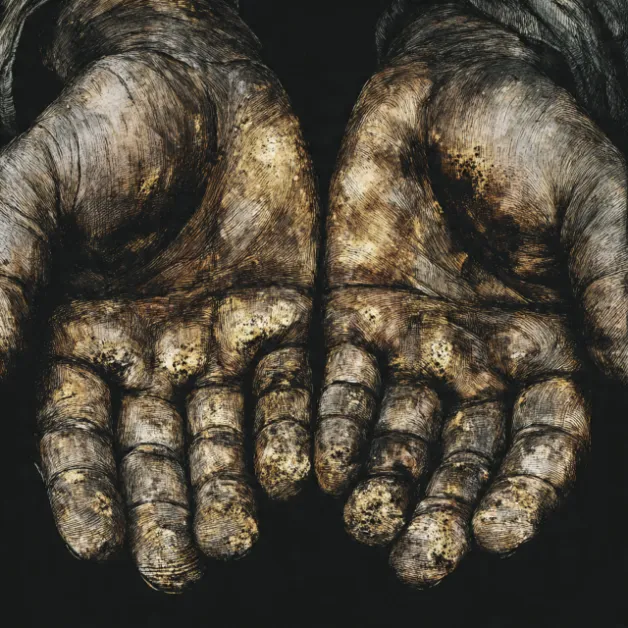
For example, in Arua Market, 62% of women experience sexual violence and harassment, 98% work without safety measures, 85% endure poor sanitation at work, and 88% operate from unsafe stalls. Most women lack access to affordable credit. Women who work as stone crushers provide invisible labour—without contracts, protective equipment, pensions, or institutional support. They suffer harassment from authorities and receive no rebuilding assistance when their shelters are destroyed by harsh weather. Women’s voices remain limited, unpaid care work continues to stifle their participation in workspaces, and labour laws remain largely patriarchal.
Women in the extractive industries include those directly involved in or affected by mining, oil, and gas operations. These women face displacement due to extractive activities, which are predominantly male-dominated. They endure risks such as environmental pollution, insecurity, malnutrition, loss of livelihood and property, disease, and sexual harassment. There remains a troubling insensitivity to these gendered challenges, forcing women to live with systemic inequalities.
Key recommendations from the workshop included:
Strengthening accountability mechanisms for violations of sexual and reproductive health and rights.
Building a continental civil society coalition to advance women’s socio-economic rights.
Governments should upgrade education quality, ensuring it is relevant to contemporary needs, promotes critical thinking over rote learning, and equips young people for the 21st-century world of work.
Contracts with transnational corporations in extractive industries should fall under the jurisdiction of the host country’s courts, and gender-responsive clauses should be incorporated into employment contracts.
Establishing universal health insurance, portable pensions, accessible childcare, and comprehensive maternity benefits that support both formal and informal workers.
Recognising women’s land rights not merely as issues of property but as matters of legacy, power, survival, and identity.
While robust legal frameworks, policies, and regulations exist to support and protect women’s rights, the lived realities of many women remain starkly different. Marginalisation continues across multiple spheres of life. There is an urgent need for targeted advocacy to make women’s socio-economic rights a fundamental reality rather than an optional aspiration.
As one grassroots woman poignantly stated:
The land knows us, but our society has forgotten us.
About the author
Pan-Africanist Thinker, Entrepreneur, Food Technologist, Public Health Practitioner, Spiritual leader, Leadership Coach, social activist and author of the award-winning Title, “THE STORM” published in 2022 by Reverend Crown Publishers, India. Currently works as Executive Director, Storm Shelter Initiatives Uganda and Lecturer at the Institute of Health Sciences, Busoga University.