
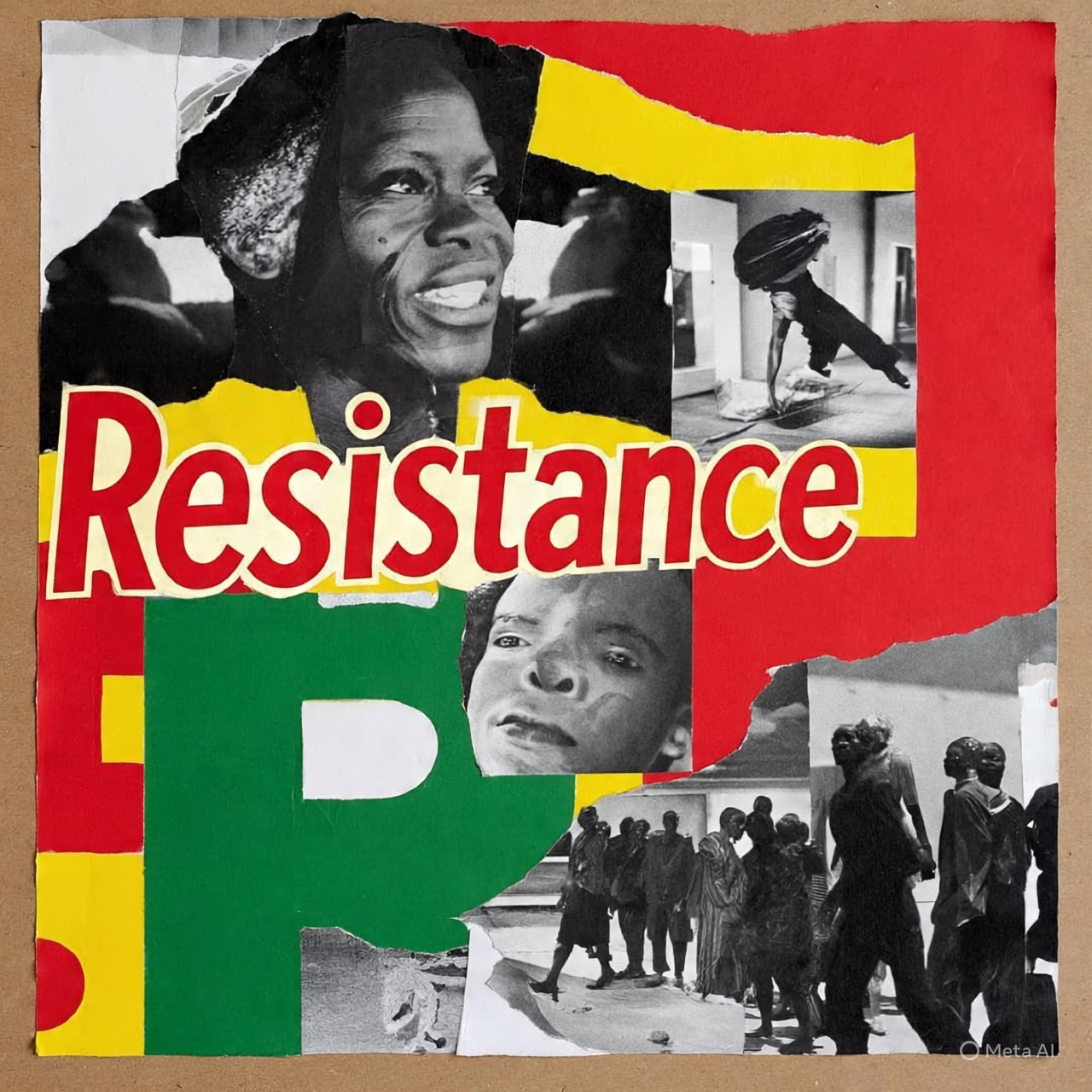
Resistance and the Urgency of Africa’s Liberation from Neo-Colonialism
If Africa is to liberate itself, resistance must be redefined for the 21st century.
12 Sept, 2025
Share
Save
The heroism of freedom fighters who fought against the chains of direct colonialism marked Africa’s liberation struggles of the 20th century. From Ghana’s Kwame Nkrumah to Tanzania’s Julius Nyerere, Africa once stood on the brink of a renaissance, imagining a continent free, united, and sovereign. Yet, more than half a century after most states gained independence, Africa remains ensnared by a subtler but equally destructive form of domination—neo-colonialism.
Leaders who should have been custodians of liberation often became custodians of imperial interests. Figures like Yoweri Museveni of Uganda, once celebrated as a revolutionary, now exemplify how neo-colonial elites operate as gatekeepers for global powers, undermining African unity and prosperity. True resistance today requires dismantling these structures and reclaiming Africa’s agency.
The Anatomy of Neo-Colonialism
Kwame Nkrumah once warned: “Neo-colonialism is the last stage of imperialism.” Unlike colonialism, where control was visible, neo-colonialism thrives in disguise. It manifests in:
Economic Dependence—Africa’s resources, from cobalt in the Congo to oil in Nigeria, continue to be extracted for the enrichment of multinational corporations. Aid and loans are often laced with conditions that erode sovereignty.
Political Puppetry—Leaders remain in power not through the will of their people but through alignment with Western or Chinese interests. Regimes hostile to foreign exploitation are destabilised, while those compliant are rewarded with military aid and diplomatic cover.
Cultural Domination—The persistence of colonial languages, education systems, and global media narratives creates psychological dependence, where Africans often measure progress through Western lenses.
Museveni’s long rule in Uganda reflects all three dimensions. Once a symbol of resistance against dictatorship, he has become a loyal partner to foreign powers, deploying troops in Western-backed missions and allowing Uganda’s resources to be exploited with minimal benefit to ordinary citizens.
Resistance as a Revolutionary Imperative
If Africa is to liberate itself, resistance must be redefined for the 21st century. This resistance is not just about overthrowing leaders, but about dismantling the systems that sustain them.
Economic Resistance
Resource Sovereignty: Africa must take control of its natural wealth. Nationalisation of key industries, transparent management of resources, and regional value-added industries are essential.
Pan-African Trade: Initiatives like the African Continental Free Trade Area (AfCFTA) must be accelerated to break dependency on external markets.
Political Resistance
Term Limits and Democracy: Resistance today must target leaders who cling to power for decades while their people languish in poverty. The Musevenis of Africa must be challenged through both grassroots mobilisation and institutional reform.
Pan-African Unity: A fragmented Africa is weak; a united Africa is ungovernable by foreign masters. Resistance movements must think beyond national borders.
3. Cultural Resistance
Decolonising education and celebrating African history are crucial for breaking the inferiority complex instilled by colonial legacies.
Media, literature, and the arts must be reclaimed as tools of liberation rather than instruments of foreign cultural domination.
Learning from Historical Struggles
Africa has resisted before. The Mau Mau in Kenya, Amílcar Cabral’s PAIGC in Guinea-Bissau, and Thomas Sankara’s revolutionary government in Burkina Faso all provide lessons:
Sankara showed that Africa could reject IMF and World Bank dictates while prioritising self-reliance.
Cabral taught that cultural liberation is inseparable from political liberation.
Nkrumah envisioned a United States of Africa, warning that without unity, independence would remain hollow.
These legacies remind us that resistance must be both ideological and practical, rooted in the realities of African people’s struggles.
The Path Forward: Liberation in the 21st Century
Liberation today requires a three-pronged strategy:
Mobilising the Youth—With Africa’s population being the youngest in the world, the future lies in youth movements that demand accountability, transparency, and genuine independence.
Rejecting Puppet Regimes—Citizens must recognise and resist leaders who act as brokers for foreign domination. Like Museveni, they wear revolutionary masks while practising neo-colonial governance.
Pan-African Solidarity—From the Sahel to Southern Africa, movements must be interconnected. The struggles in Uganda, Nigeria, or Sudan are not isolated—they are part of a continental fight against neo-colonialism.
Conclusion
Resistance in Africa today is not optional; it is an existential imperative. Neo-colonial leaders like Museveni survive because they have mastered the art of appearing African while serving foreign masters. But the spirit of liberation, the dream of a truly free Africa, cannot be permanently buried.
To liberate itself, Africa must resist—not only external forces but also internal collaborators. It must reclaim its resources, rebuild its institutions, and reawaken its cultures. Only then can Africa fulfil the promise envisioned by its revolutionaries: a continent that stands tall, united, and sovereign.
About the author
The Critique Magazine is an independent publication dedicated to critical thought, creative expression, and public debate. It serves as a platform where writers, journalists, and thinkers share perspectives on literature, politics, human rights, and social issues affecting society. The magazine encourages open dialogue and challenges conventional ideas through essays, commentary, and analysis.