
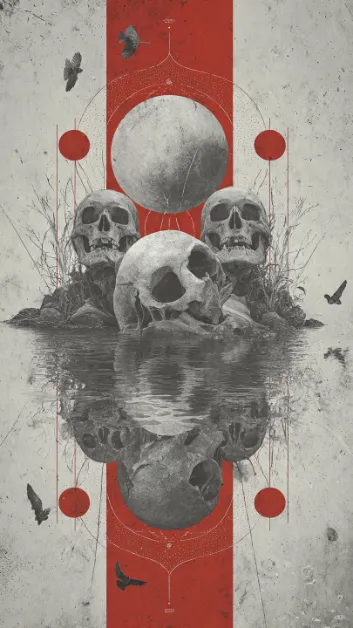
To Be Born Is to Die, and to Die Is to Be Born
Birth and death aren’t opposites but mirrors: Every beginning kills an old self, and every ending gives rise to another form of becoming.
10 Feb, 2026
Share
Save
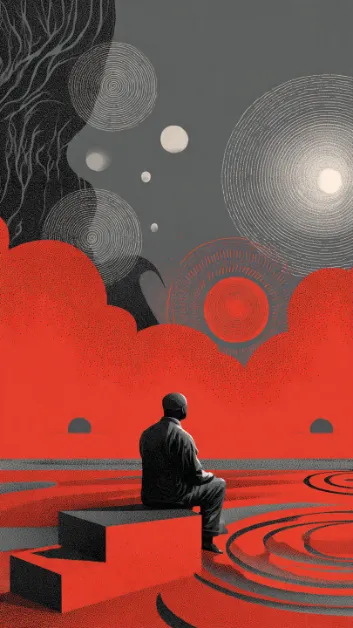
We tend to treat birth and death as opposites: one as a beginning, the other as an ending. One wrapped in celebration, the other in grief. But this separation is less natural than it feels. Rationally, birth and death are not enemies. They are mirrors—each undoing one state of being while ushering in another.
To be born is, first of all, to die to something. The moment of birth is not pure arrival; it is a rupture. A child dies in the womb, in perfect enclosure, to a form of existence without hunger, language, or choice. The first breath is taken only because another mode of being has ended. Birth is not gentle continuity, never! It is expulsion, separation, and loss. Life begins with a death we do not remember.
Every stage of growth repeats this pattern. The infant dies into the child, the child into the adolescent, and the adolescent into the adult. Each becoming requires the destruction of what came before. Old identities must collapse to make room for new ones. If nothing dies, nothing truly changes. Development is not additive; it is transformative, and transformation is always a kind of death.
Seen this way, death at the end of life is not an anomaly but a completion of a time long underway. The body that dies is already vastly different from the one that was born. The self that ends is not the same self that began. What we call “a life” is really a series of endings held together by memory and habit.
But what about my initial narrative that ‘to die is to be born’?
If birth is a violent entry into a new condition, death may be a release into another—whether that is understood spiritually, materially, or symbolically. Even without invoking an afterlife, death gives rise to continuations. A person is reborn as memory, as influence, as consequence. Their words persist in other mouths; their gestures reappear in the habits of those who loved them. Something begins precisely because something has ended.
Even at the biological level, death is not pure disappearance. Matter reorganises. Energy transfers. The body returns to the systems that once produced it. What looks like an ending from one perspective is a redistribution from another. Nature does not recognise death as annihilation, only as change.
The discomfort we feel around this idea may come from our attachment to stable identities. We want beginnings without losses and endings without transformation. But reality offers neither. To exist at all is to move through a series of deaths and births, none of which can be cleanly separated.
This reframing does not make death painless, nor does it strip birth of wonder. Instead, it ties them together, insisting that meaning lies not in permanence but in passage. Life is not a straight line from birth to death—it is a continual crossing of thresholds.
Perhaps the deepest fear of death is not that something ends, but that something unknown begins without us being able to witness it. And perhaps the deepest miracle of birth is not that something begins, but that something old has made room by letting go.
To live, then, is to practice dying.
And to die may, simply, be to practice becoming—one final time.
About the author
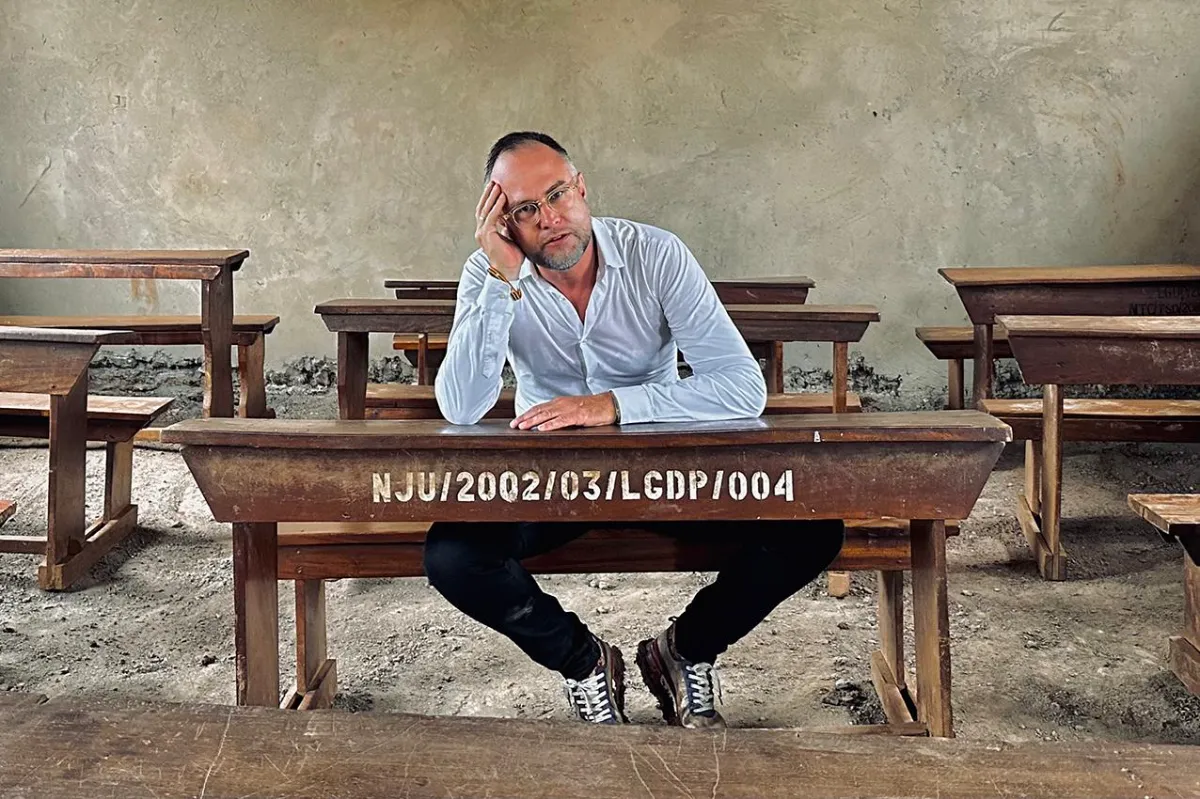
Abdullatif Eberhard Khalid (The Sacred Poet) is a Ugandan passionate award-winning poet, Author, educator, writer, word crosser, scriptwriter, essayist, content creator, storyteller, orator, mentor, public speaker, gender-based violence activist, hip-hop rapper, creative writing coach, editor, and a spoken word artist. He offers creative writing services and performs on projects focused on brand/ campaign awareness, luncheons, corporate dinners, date nights, product launches, advocacy events, and concerts, he is the founder of The Sacred Poetry Firm, which helps young creatives develop their talents and skills. He is the author of Confessions of a Sinner, Vol. 1, A Session in Therapy, and Confessions of a Sinner, Vol. 2. His poems have been featured in several poetry publications, anthologies, blogs, journals, and magazines. He is the editor of Whispering Verses, Kirabo Writes magazine issue 1 and edits at Poetica Africa.