

Uganda’s 1926 Flag Bearer: When Time Slips, Nations Stumble
We need not a flag bearer from 1926, but a vision bearer for 2026
30 Sept, 2025
Share
Save
The nomination Confession
At the nomination amidst banners of ‘Protecting the Gains’ and chants rehearsed like liturgy, a moment of historical comedy unfolded. Museveni, our eternal flag bearer, stumbled into an anachronism. He spoke of 1925–1931, and even of a flag bearer, 1926–1931.
Was this a slip of the tongue? Or was it something deeper—an unconscious confession that his politics belongs not to 2025 but to the sepia pages of a colonial archive?
The Weight of Words
In politics, words are not innocent. They are mirrors. A man who has carried the nation on his shoulders for nearly four decades cannot afford to confuse the present with the past. When the leader of a 21st-century state cites 1926 as though it were the calendar of his campaign, the world does not laugh at him alone—it laughs at Uganda.
And laughter in this context is humiliation.
A Nation Turned Museum
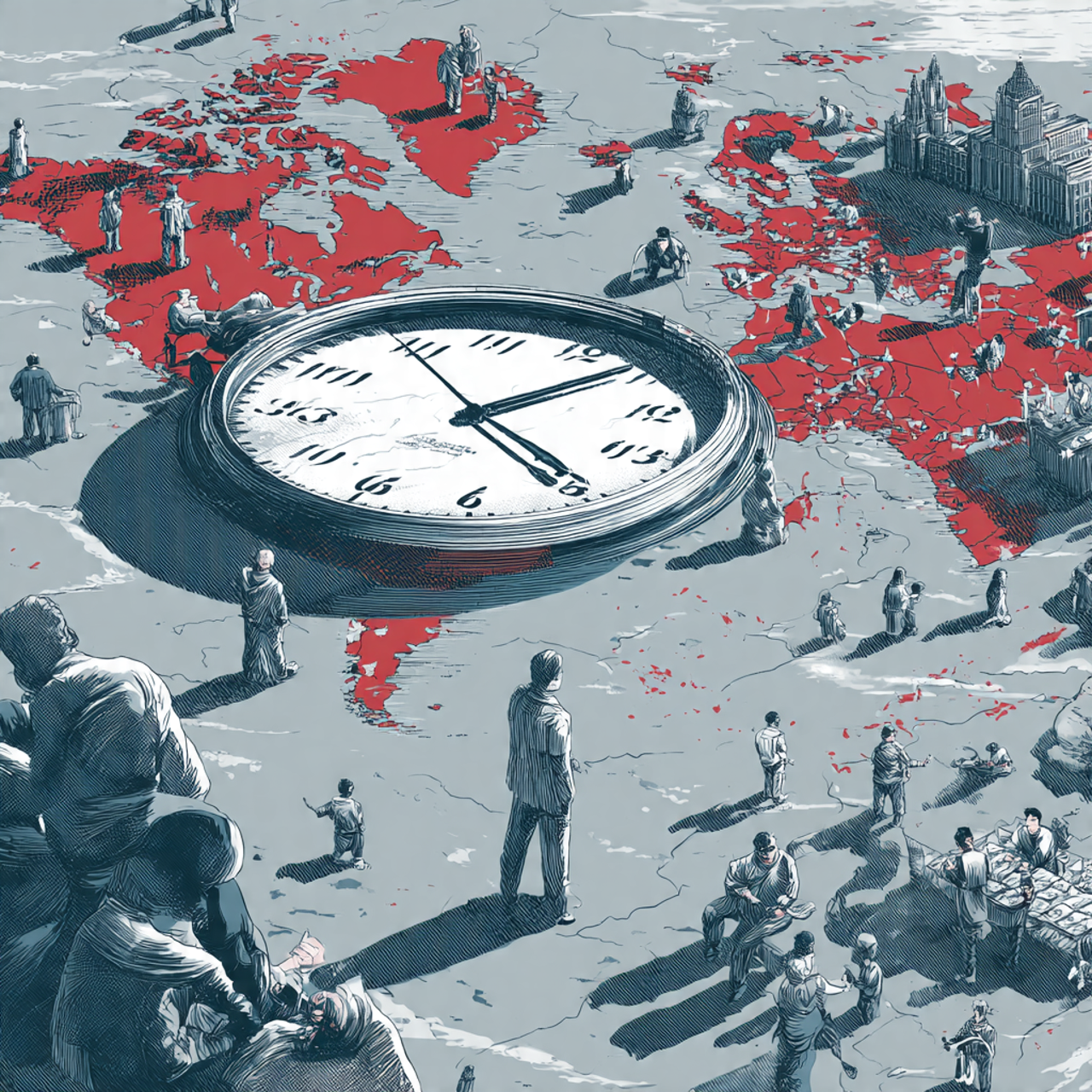
The “1926 flag bearer” remark was more than a mistake; it was symbolic. It revealed the mummification of our politics. Uganda, in that moment, was presented not as a republic of innovation, science, and youthful energy, but as a colonial relic, stuck in the language of empire, dust, and outdated timelines.
Imagine a country with one of the youngest populations in the world, yet its politics is narrated in dates older than the grandparents of today’s voters.
The Global Eye
To the international community, the scene was not inspirational but farcical. Uganda, which claims it is on the cusp of first-world status, was represented by a leader who invoked 1926 as though it were yesterday. The contradiction was brutal: a nation claiming “upper-middle income” in 2025, yet projecting itself as anchored in 1926.
This is the stuff of satire, but it is also the stuff of decline.
The Philosophy of Decline
There is a concept in philosophy called anachronism of power—when leaders outlive their historical relevance and begin to recycle symbols, words, and ideas no longer fit for the era. It is not simply a matter of ageing; it is the result of refusing to hand over the baton of history.
In 1926, Uganda had no flag bearer because it was still a colony. In 2025, Uganda has a flag bearer who thinks in the timelines of colonies. That is the tragedy.
Between Slip and Symbol
Ordinary Ugandans may laugh, but beneath the laughter lies pain. For when Museveni speaks of 1926, he is telling us something inadvertently: that our politics has never really left the bush, nor the colonial shadow. We are marching into the future with leaders whose calendars are still set in the past.
And until we confront this paradox, Uganda will remain what the world now sees—a republic that claims “first world,” but sounds like a colony still waiting for independence.
Conclusion: When the Future Needs a New Flag Bearer
This was no ordinary slip of the tongue. It was a symbolic Freudian slip, a revelation of a deeper truth: Uganda’s political leadership is exhausted, its imagination expired, its compass pointing backwards.
We need not a flag bearer from 1926, but a vision bearer for 2026. A leader who understands that the youth of Uganda are not amused by colonial timelines but are hungry for digital economies, green energy, and global relevance.
Until then, every “slip” will be Uganda’s humiliation—and every laugh abroad will be the echo of our silence at home.