
Learning from Our Past as We Build Africa’s Future: The Urgent Need for Political Unity
Africa's unity must not remain a promise passed from one generation to another.
17 Oct, 2026
Share
Save
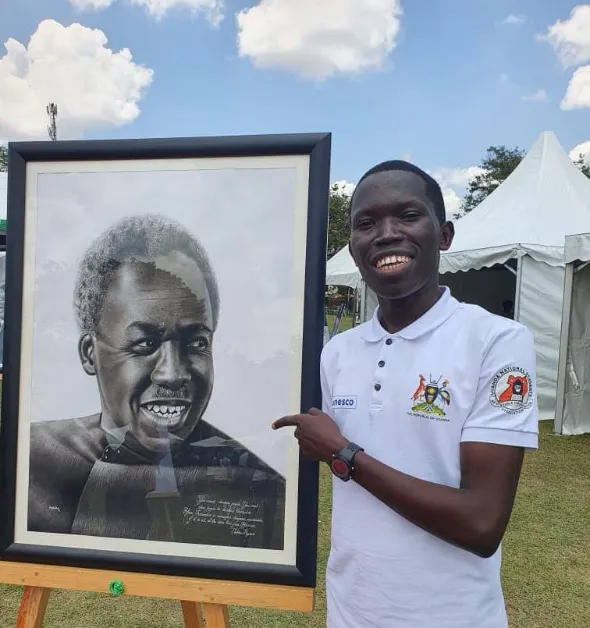
Mwalimu Julius Nyerere was correct when he said that the state is an agent of transformation. Yet, today, we see a different situation across the African continent. Only a few relate to this statement in practice. Nyerere’s leadership offers us an opportunity to reflect on the kind of leadership Africa needs and the future we want to build.
Looking at his legacy, Nyerere left no Swiss bank account, no family dynasty in power, and no legacy of political inheritance through his children. Through humility, service, and a people-oriented approach, he sought to transform the lives of Tanzanians. He indeed was a man of the people. African leaders should borrow from this fact.
I always carry his words: “African disunity has made Africa so weak internationally that it is so poor domestically.” These words are a call to reflection, particularly for us young people and emerging leaders. We need to interrogate them, learn from the leaders who shaped our past, understand the challenges confronting us today, and chart a new way forward.
The Missing Link: Political Unity
Africa needs to advance political unity now. One of the challenges we face as Africans, particularly within East Africa, is the question of political unity.
We are dwelling so much on economic unity and economic integration, forgetting that political unity influences how we relate socially, economically, and politically. Economic integration is important, but it cannot be separated from the political decisions, commitments, and institutions that sustain it.
African heads of state must recognise the role of public leaders in decentralising the Pan-African agenda, institutionalising it, and making it the people's own.
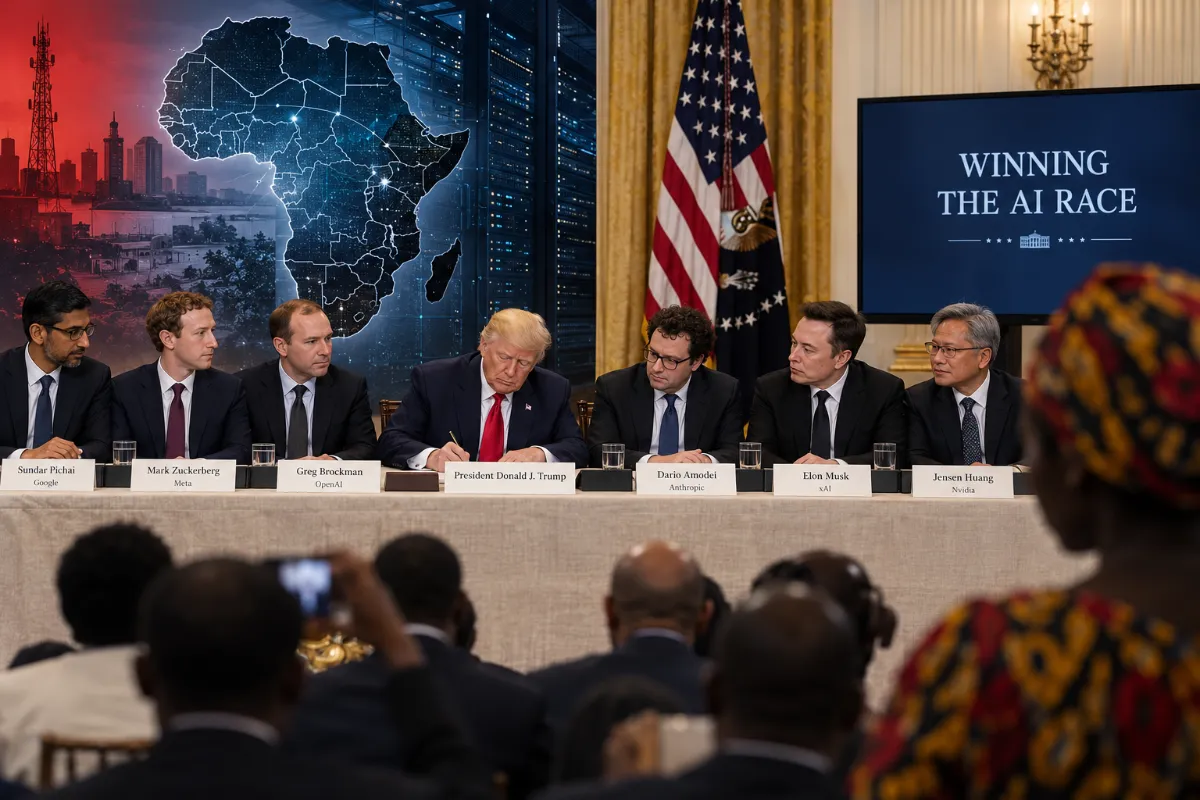
We cannot continue to romanticise Pan-Africanism as an idea that belongs only to those who can access boardrooms. Beyond the boardroom, how many African youths and young people know what Pan-Africanism means? How many Africans understand its relevance to their everyday lives? How many East Africans understand the East African Community and its objectives?
More importantly, what political efforts have we made to institutionalise and decentralise the Pan-African agenda—the African agenda of unity?
There is too much romanticisation and too little effort to make this agenda understood, accessible, and owned by ordinary citizens.
From Rhetoric to People's Ownership
Pan-Africanism must move beyond conferences, speeches, declarations, and diplomatic meetings. It must become part of our educational institutions, community engagements, youth movements, public institutions, and national development conversations.
African citizens should understand what continental unity means for their livelihoods, opportunities, mobility, security, education, and participation in governance. Young people should not merely hear about African unity; they should understand it, participate in it, and help shape it.
This requires deliberate political leadership. Our leaders must invest in civic education, strengthen regional institutions, encourage people-to-people interactions, and create opportunities for citizens to participate in conversations about Africa's shared future.
We must learn from our past leaders and critically engage with the ideas and approaches of contemporary African leaders, including Ibrahim Traoré, as we pursue the Africa for Africans and African problems, African solutions agenda.
The objective should be to build an Africa that can identify its challenges, mobilise its resources, strengthen its institutions, and develop solutions that respond to the needs and aspirations of its people.
Why Should Africa Wait Until 2063?
Now, we should not wait until 2063 to begin realising the African unity our forefathers envisioned.
Our forefathers were promised that Africa was going to unite. They died. Our parents were told that Africa would unite. Many have lived for decades with that same promise. Now, we are being told again that we should wait until 2063.
I don't know whether I will survive until then. If I do, perhaps I will be old. But these are the things that happen.
This is not merely a question of timelines. It is a question of political commitment, accountability, and urgency. If African unity is a shared aspiration, then every generation must be able to identify tangible progress toward its realisation.
We must ask ourselves why the journey toward deeper integration continues to face delays and obstacles. What are the political, institutional, and strategic interests that prevent African states from making the commitments necessary to advance unity?
The East African integration process illustrates the importance of interrogating regional timelines and political commitments. The region has pursued ambitious integration goals, but progress toward political federation has remained a complex and evolving process. We must therefore examine not only the promises made but also the decisions, institutions, and practical actions required to fulfil them.
The Politics of Dependency
One of the central challenges facing Africa is the relationship between political will, geopolitics, and geoeconomics.
African leaders operate in a world shaped by competing global interests, economic dependencies, strategic alliances, and international power relations. These realities influence national and regional decisions. However, African governments must continually examine whether their external relationships advance the collective interests of their people or constrain their ability to pursue shared continental objectives.
Our leaders must look beyond the geopolitics and geoeconomics of the world and recognise that Africa's future also depends on the decisions Africans make among themselves.
Unity does not mean that African states must abandon their national interests or ignore their differences. Rather, it means developing the political maturity to identify shared interests, negotiate disagreements, and cooperate where collective action offers greater benefits than fragmentation.
African countries possess resources, knowledge, human capital, cultural diversity, and enormous potential. However, realising this potential requires stronger institutions, accountable leadership, and a shared commitment to addressing common challenges.
We must therefore move from dependency toward strategic cooperation, from declarations toward implementation, and from fragmented national approaches toward practical continental solutions.
Decentralising and Institutionalising the Pan-African Agenda
African unity cannot be sustained if it remains the responsibility of heads of state alone. It must become a people's agenda.
Public leaders have a responsibility to decentralise the Pan-African agenda by bringing it closer to citizens. They should ensure that young people in villages, schools, universities, and communities understand the purpose of African unity and have meaningful opportunities to contribute to it.
It also means institutionalising the agenda through education, public policy, regional cooperation, accountable governance, and institutions that can sustain progress beyond individual leaders and political administrations.
Young people, in particular, have a responsibility to interrogate the promises of the past and demand practical progress in the present. We must engage in civic education, public dialogue, research, leadership, and community mobilisation to make African unity a lived reality rather than a distant political aspiration.
Our responsibility is not simply to criticise the failures of previous generations. It is to understand those failures, learn from the achievements of our predecessors, and develop more effective approaches to the challenges we inherit.
Conclusion: Let Us Learn from the Past as We Build the Future
Mwalimu Julius Nyerere's legacy challenges us to reflect on leadership as a responsibility to serve the people and transform society. His commitment to African unity also reminds us that the continent's international strength and domestic progress are closely connected to its ability to cooperate.
The question before us is whether we are prepared to translate the Pan-African vision into practical political action.
We cannot continue to postpone the aspirations of generations. We cannot continue to celebrate African unity in boardrooms while leaving ordinary citizens outside the conversation. And we cannot expect economic integration alone to deliver the political unity that requires deliberate leadership, institutions, and public commitment.
African leaders must unite, strengthen regional and continental institutions, decentralise the Pan-African agenda, and ensure that it is understood and owned by the people. African citizens, particularly young people, must participate actively in this process.
Our future should not be built on romanticised memories of the past or promises of a distant tomorrow. It must be built on informed decisions, practical action, and the courage to confront the challenges of our time.
Let us learn from the past, interrogate the present, and build the future. Africa's unity must not remain a promise passed from one generation to another. It must become a responsibility that we accept and a reality that we work together to achieve.
About the author
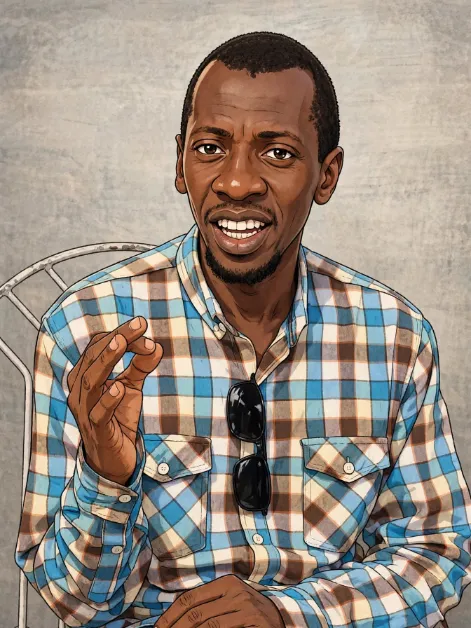
My name is Abeson Alex, a student at St. Lawrence University, whose leadership journey reflects a deep commitment to service, integrity, and community transformation. I have held various leadership positions, including UNSA President of St. Charles Lwanga College Koboko, UNSA District Executive Council Speaker, UNSA Speaker for West Nile, and West Nile Representative to the UNSA National Executive Council. I also served as YCS Section Leader of St. Charles Lwanga College Koboko, YCS Federation Leader for Koboko District, and Koboko YCS Coordinator to the Diocese. In addition, I was a Peace Founder and Security Council Speaker for the peace agreement between St. Charles Lwanga College Koboko and Koboko Town College. I served as Debate Club Chairperson of St. Charles Lwanga College Koboko, District Debate Coordinator, and West Nile Debate Coordinator to the National Debate Council (NDC). All the above were in 2022-2023. My other leadership roles include Chairperson of the Writers and Readers Club, UNSA Representative in the District Youth Council, Students’ Advocate for Reproductive Health, and Students’ GBV Advocate for the District. Within the Church, I served as Chairperson of the Altarservers of Ombaci Chapel, Parish Altarservers Chairperson of Koboko Parish, and Speaker of the Altarservers Ministry in Arua Diocese. Current Positions: Currently, I serve as the Diocesan Altarservers Chairperson of Arua Catholic Diocese, Advisor of the Altarservers Ministry for both Ombaci Chapel and Koboko Parish, and Programs Coordinator of Destined Youth of Christ (DYC-UG). I am also a Finalist in the Global Unites Oratory Competition 2024, the current Debate Club Speaker and President of St. Lawrence University Koboko Students Association. Additionally, I am the Youth Chairperson of Lombe Village, Midia Parish, and Midia Sub-county in koboko district. I am one whose life has been revolving around ensuring that in our imperfections as humans, we can promote transparency, righteousness, and morality to attain perfection. I am inspired by the guiding words: Mobilization, Influence, Engagement, and Advocacy. I share my inspiration across the fields of Relationships, Career, Governance, Faith, Education, Spirituality, Anti-corruption, Environmental Conservation, Business & Self-Reliance, politics , Administration,Financial Literacy, Religion, and Human Rights. Thanks for the encounter.