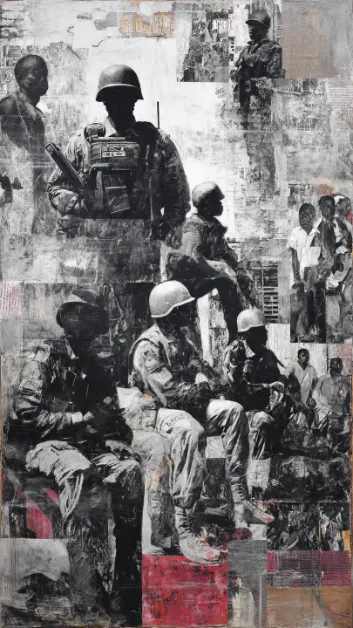

Democracy on an Aeroplane
How to win an election in Uganda: unplug the country, starve the economy, announce results, then restore the internet.
24 Jan, 2026
Share
Save
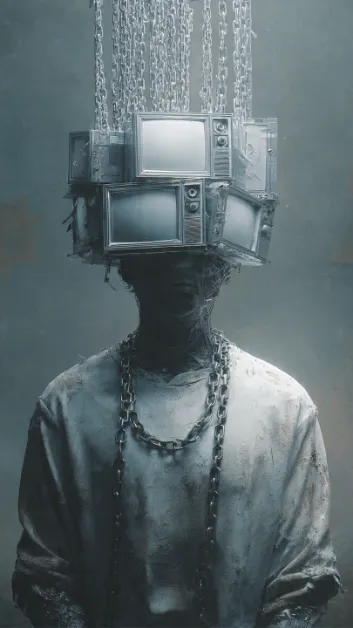
In Uganda, elections are sacred events. So sacred, in fact, that they must be conducted in silence, darkness, and on aeroplane mode. Because nothing threatens democracy more than citizens with data bundles. Thus, when one presidential candidate decided that winning in broad daylight was risky, the nation was gently unplugged—like a charger removed from a stubborn phone at 99%.
Step One: Switch Off the Internet (For Peace, Obviously)
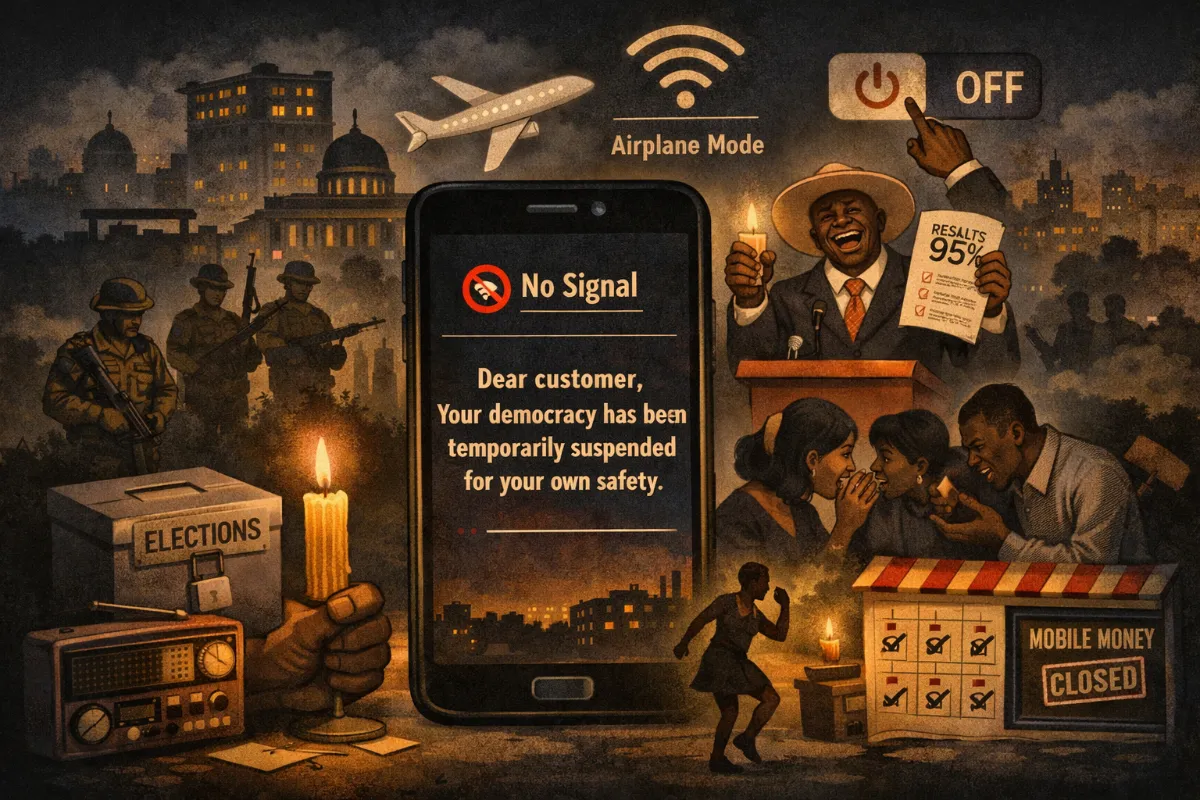
On election eve, Ugandans receive a national notification that says:
“Dear customer, your democracy has been temporarily suspended for your own safety.”
WhatsApp collapses. Facebook faints. X disappears like a suspect with a warrant. TikTok dancers are forced to dance for themselves. Influencers must now influence their cousins verbally.
In Kampala, people suddenly remember that radios exist. Rumours spread faster than Wi-Fi ever did:
“They have already voted for us!”
“No, they voted twice!”
“No, the ballot boxes are sleeping at State Lodge!”
Step Two: Silence Means Everyone Is Happy
With the internet gone, Ugandans finally stops complaining. The government interprets this as massive national satisfaction. If nobody is tweeting, then surely nobody is suffering.
This is advanced democracy math:
No internet + no posts = no problems.
Even dogs stop barking politically.
Step Three: Protect the Economy by Freezing It Solid
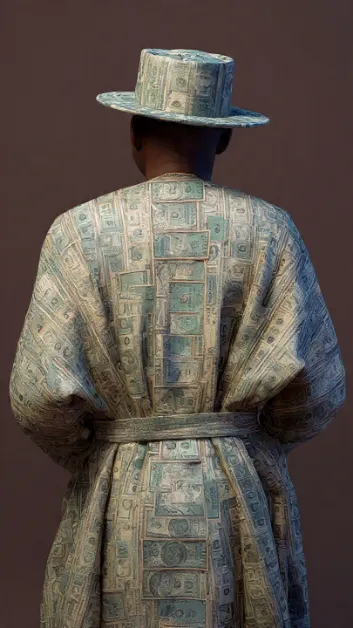
Mobile money is switched off—because nothing incites electoral violence like buying airtime or sending rent. Traders stare at their phones like prophets whose visions have been cancelled.
Small businesses learn an important lesson:
“You don’t need money during elections. You need patience.”
Hunger is encouraged as a sign of patriotism.
Step Four: Results Appear Like Magic
Results emerge from the darkness already ironed, perfumed, and confident. No livestreams. No screenshots. No evidence. Just vibes.
The National Resistance Movement smiles calmly, like a teacher marking an exam they also set, supervised, and answered.
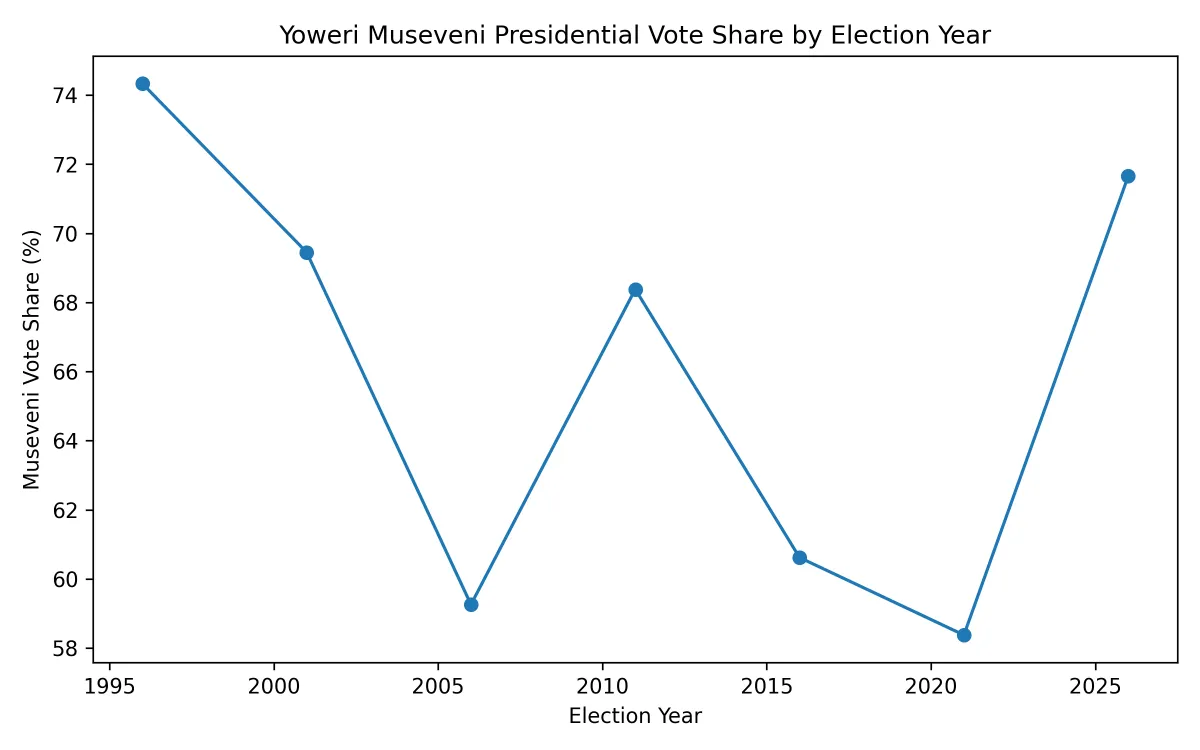
The presidency—long occupied by Yoweri Museveni—assures citizens that everything went “very well,” especially the parts nobody saw.
Step Five: Restore Internet After the Damage Is Done
Once the winner is safely announced, the internet is switched back on. Ugandans rush online to post:
“Guys, what happened?”
“Why are people celebrating?”
“Why is my candidate already accepting defeat from exile?”
Government responds:
“See? The Internet is not dangerous anymore.”
Long Live Darkness, Our Campaign Manager!
In Uganda, democracy works best when observed by nobody, verified by nobody, and questioned by nobody. Transparency is considered a foreign disease. Darkness is local content.
So next election, don’t ask for manifestos. Just buy candles, charge your radio batteries, and prepare your stomach for patriotic hunger.
Because when a candidate wants to win in the dark, the whole country must politely close its eyes—and clap loudly so it sounds like freedom.
About the author
Abdullatif Eberhard Khalid (The Sacred Poet) is a Ugandan passionate award-winning poet, Author, educator, writer, word crosser, scriptwriter, essayist, content creator, storyteller, orator, mentor, public speaker, gender-based violence activist, hip-hop rapper, creative writing coach, editor, and a spoken word artist. He offers creative writing services and performs on projects focused on brand/ campaign awareness, luncheons, corporate dinners, date nights, product launches, advocacy events, and concerts, he is the founder of The Sacred Poetry Firm, which helps young creatives develop their talents and skills. He is the author of Confessions of a Sinner, Vol. 1, A Session in Therapy, and Confessions of a Sinner, Vol. 2. His poems have been featured in several poetry publications, anthologies, blogs, journals, and magazines. He is the editor of Whispering Verses, Kirabo Writes magazine issue 1 and edits at Poetica Africa.