First, They Blessed It; Then, They Vanished: A National Miracle Explained.
The theology that worked—until it didn’t.
20 Jan, 2026
Share
Save
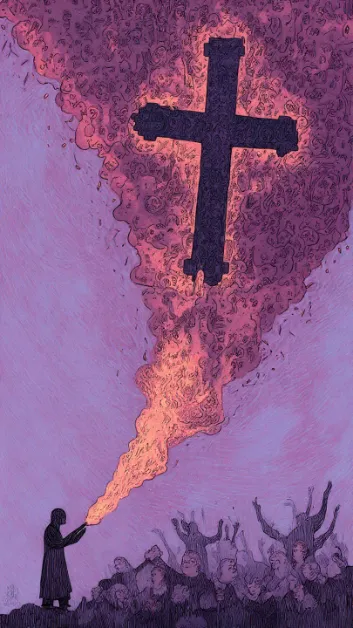
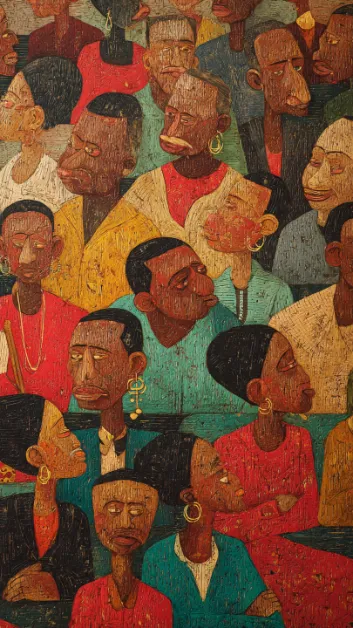
At first, it was called patriotism with scripture. Religious leaders lined up neatly behind microphones, quoting holy books with one hand while holding government press releases with the other. Whenever power tripped over its own feet, the pulpit rushed in with crutches: “Pray for the leaders.” When corruption sneezed, they anointed it with oil. When injustice shouted, they lowered the volume and called it peace.
It was a beautiful unity. Church and state, mosque and ministry—one choir, one song: “Everything is under control.”
Then something strange happened.
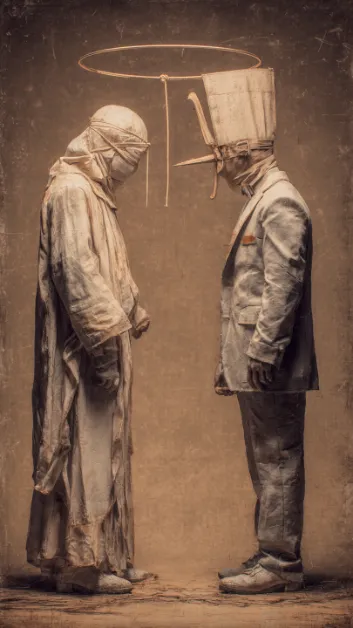
Muslim leaders began disappearing.
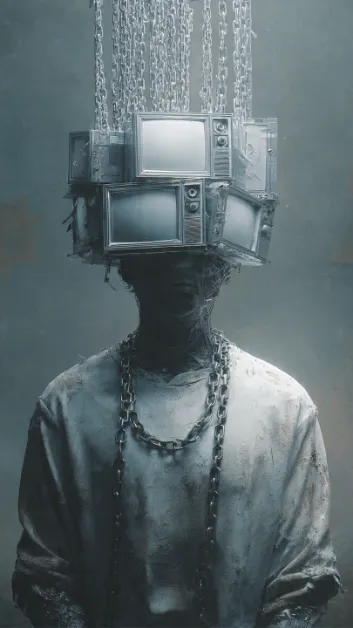
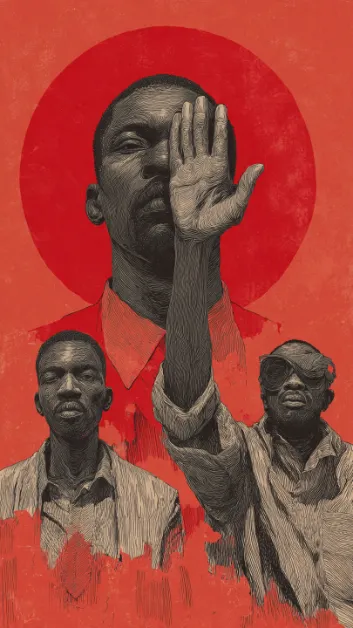
Not disappearing like lost keys—no. They vanished in the very modern way: picked up in broad daylight, bundled into unmarked vehicles, and later introduced to the public as terrorists. Evidence arrived late, bruises arrived early, and court dates arrived never. The sermon changed slightly: “Let us not interfere with security matters.” Silence was now rebranded as wisdom.
Still, many Christian leaders stayed faithful to the script.
They said, “This does not concern us.”
They said, “Ours is prayer, not politics.”
They said, “Those must have done something.”
And then—amen turned to “ah-men.”
Now Christian leaders are being abducted, too.
Suddenly, prayer vigils have urgency. Suddenly, the microphones work. Suddenly, the same mouths that once preached obedience are discovering the word "injustice" hidden somewhere between Genesis and Revelation. The question on everyone’s lips is no longer “Is the government right?” but “Who is next?”
So, what is this called? It is called Selective Silence Syndrome—a condition where leaders only speak when the knock is on their door.
It is called Faith Without Memory—forgetting that a cage built for your neighbour can easily be resized.
It is called The Theology of Until:
Until it affects us.
Until it reaches our church.
Until it enters our mosque.
Until the Bible is searched.
Until the Quran is evidence.
Most importantly, it is called Power with No Religion.
Because power does not read the Bible.
Power does not attend Juma prayers.
Power does not kneel.
Power only counts.
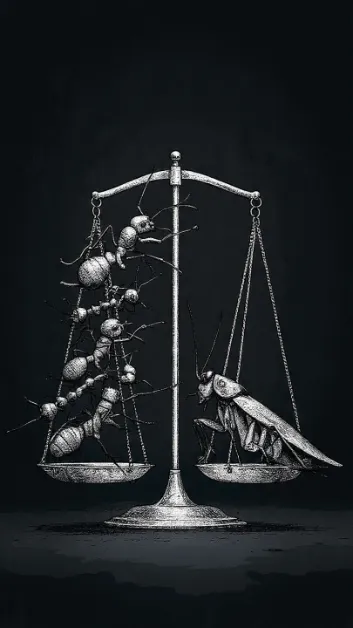
And once it finishes counting Muslims, Christians, journalists, poets, teachers, and silence itself, it will still ask for more—because unchecked power is a god that eats its own priests.
The tragedy is not that religious leaders are being abducted now.
The tragedy is that they helped dig the theology that justified it—one sermon at a time.
History is watching, quietly amused, whispering its old joke again:
First, they defended it.
Then they explained it.
Then they excused it.
Then they experienced it.
And only then did they ask, “What is this called?”
Too late for the answer to save them—just in time for the lesson to haunt the nation.
About the author
Abdullatif Eberhard Khalid (The Sacred Poet) is a Ugandan passionate award-winning poet, Author, educator, writer, word crosser, scriptwriter, essayist, content creator, storyteller, orator, mentor, public speaker, gender-based violence activist, hip-hop rapper, creative writing coach, editor, and a spoken word artist. He offers creative writing services and performs on projects focused on brand/ campaign awareness, luncheons, corporate dinners, date nights, product launches, advocacy events, and concerts, he is the founder of The Sacred Poetry Firm, which helps young creatives develop their talents and skills. He is the author of Confessions of a Sinner, Vol. 1, A Session in Therapy, and Confessions of a Sinner, Vol. 2. His poems have been featured in several poetry publications, anthologies, blogs, journals, and magazines. He is the editor of Whispering Verses, Kirabo Writes magazine issue 1 and edits at Poetica Africa.