
The Mirage of Sovereignty: Reflecting on Uganda’s 2026 General Elections
Ballots were cast in Uganda’s 2026 election, but power remained fenced off—guarded by soldiers, silence, and a hollow constitution.
22 Jan, 2026
Share
Save
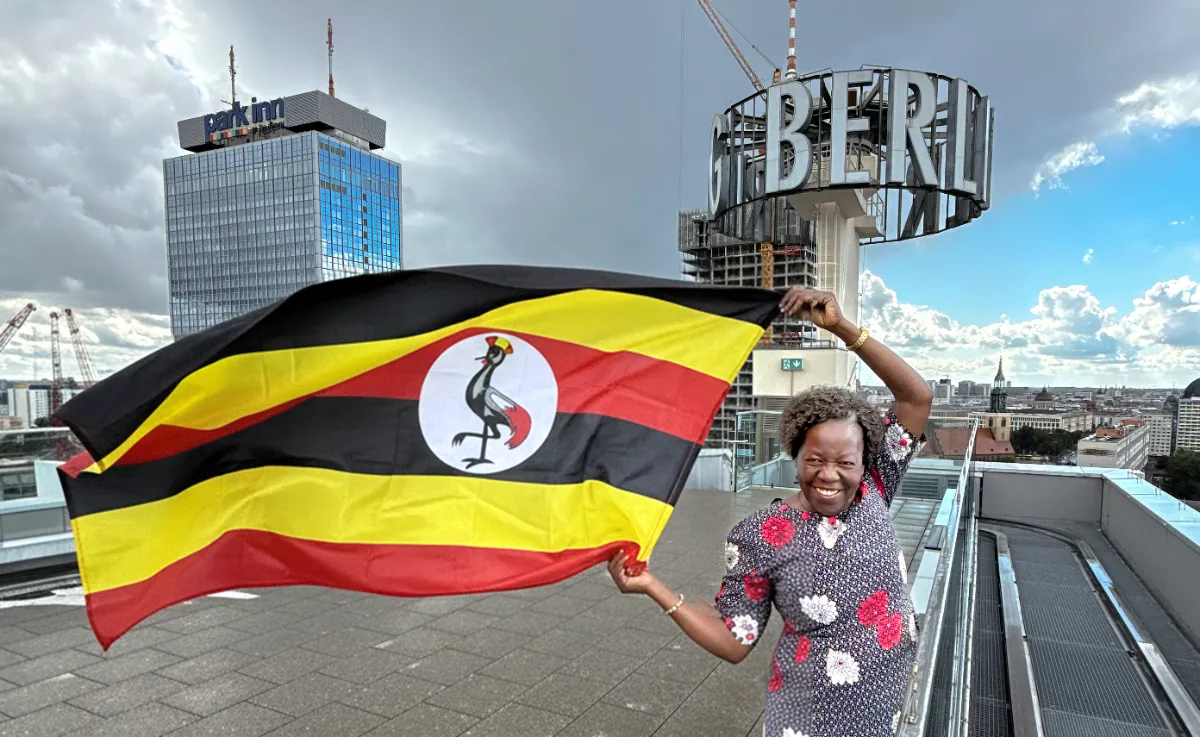
On January 15, 2026, Ugandans headed to the polls in a nationwide exercise of their democratic franchise. This dual ballot for both the presidency and parliament is, on paper, the crowning jewel of the nation’s constitutional design. However, the context of this election cannot be ignored. The removal of age and term limits in 2005 and 2017 effectively dismantled the safeguards meant to prevent prolonged incumbency. What remains is a system where President Yoweri Museveni continues to extend his tenure, leading critics to argue that the constitutional framework of checks and balances has been hollowed out, leaving behind a tightly managed political order.
Uganda’s Constitution opens with a bold, foundational promise: "All power belongs to the people who shall exercise their sovereignty in accordance with this constitution." Yet, the conduct of this most recent cycle forces a confrontation with a fundamental question: Did the electoral environment actually allow the people to exercise that power freely and fairly?
The Digital Veil: Security vs Transparency
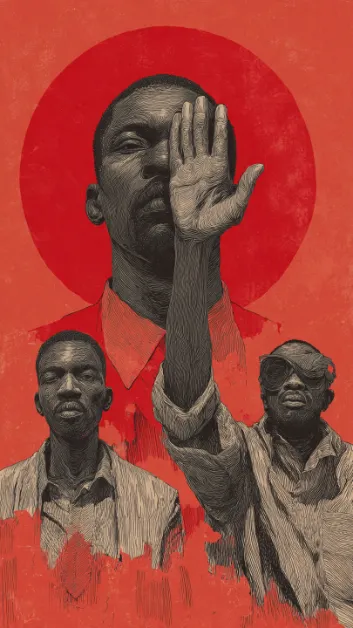
The controversy began with a total digital blackout 48 hours before the polls. While the Uganda Communications Commission (UCC) cited "security concerns," the move was widely condemned as a deliberate assault on transparency, a digital curtain drawn to obscure potential atrocities and suppress the coordination of opposition leaders.
Even if one accepts the state's security premise, we must ask: Is the total severance of communication a proportionate response to the threat of misinformation?
If the only way to protect "the gains" of the state is to silence its citizens, then those gains are built on a fragile foundation.
In an era defined by AI and deepfakes, a state that resorts to shutting down the internet reveals a lack of digital resilience and a fear of the very people it serves.
The Shadow of the Uniform: Militarisation and Fear
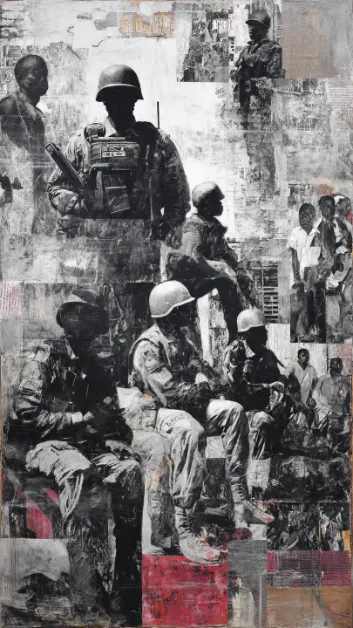
Throughout the campaign and on election day, the presence of the military was inescapable. Opposition candidates faced persistent harassment, distorting the competitive nature of the race. This heavy securitisation stands in direct conflict with Article 208(2) of the Constitution:
"The Uganda People’s Defence Forces shall be non-partisan, national in character, patriotic, professional, disciplined and subordinate to civilian authority."
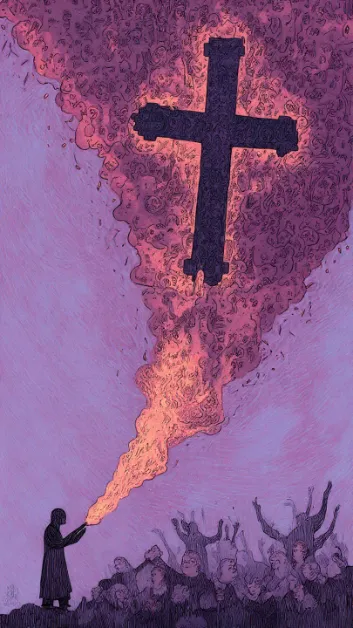
This principle was visibly strained. Fear is as constitutionally destructive as fraud because it distorts consent. When the military becomes a fixture of the polling environment, the state produces compliance rather than choice. A vote cast under the gaze of a rifle is a condition incompatible with genuine democratic sovereignty.
The Legitimacy of the 52%
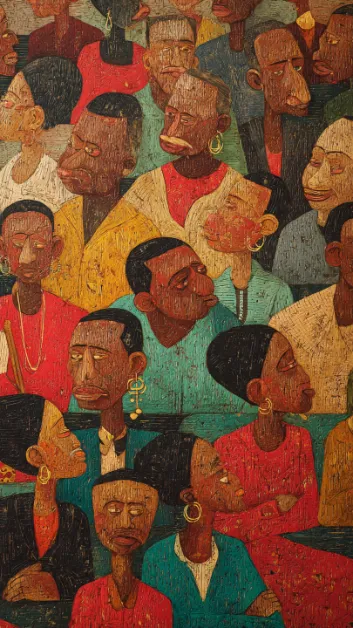
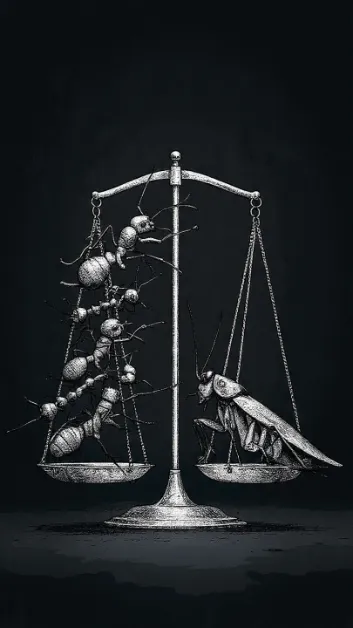
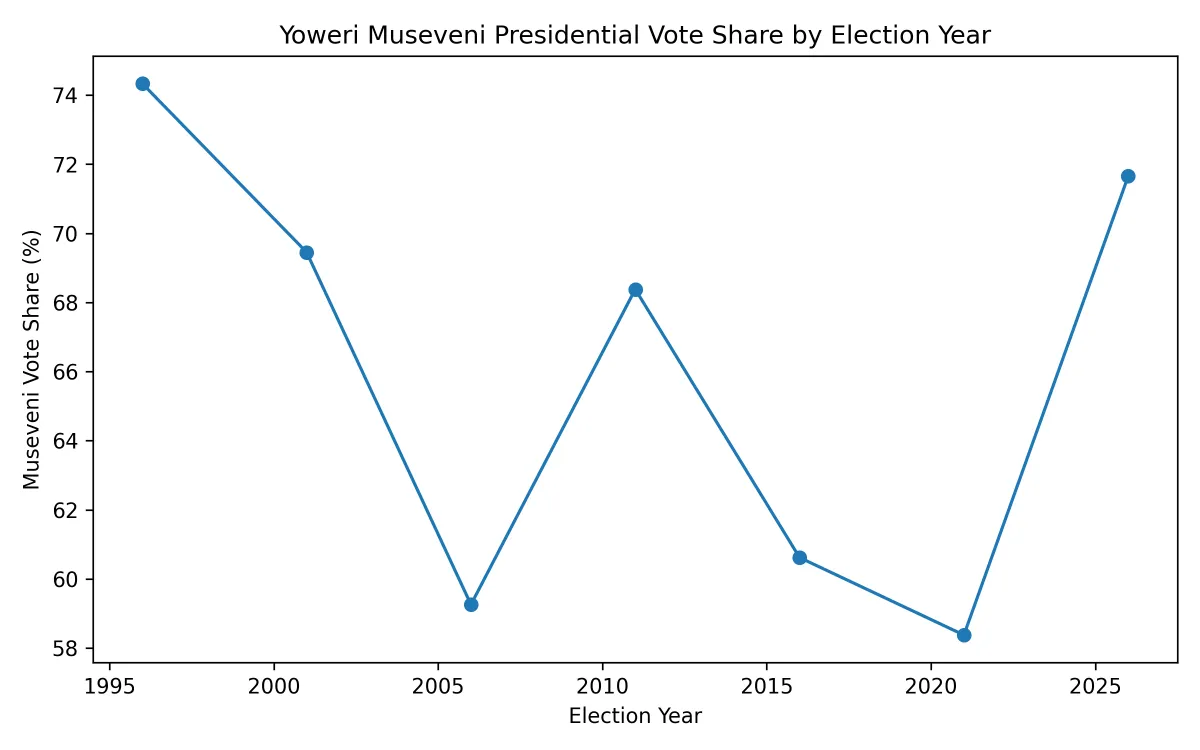
The Electoral Commission declared President Museveni the winner with approximately 52% of the vote. However, mathematics alone does not confer legitimacy. With voter turnout barely exceeding half of the registered population and with participation shaped by intimidation and apathy, a leader elected by 52% of the cast ballots represents only a small minority of the total electorate.
The Constitution presumes meaningful participation. If a significant portion of the population disengages because they believe the system is rigged, the numerical threshold remains lawful but fails to capture the national soul. As African constitutional jurisprudence evolves, it is becoming clear that democracy is measured not just by the final tally, but by the integrity of the path taken to get there.
Conclusion: Beyond Legal Occurrence
Uganda’s 2026 elections passed the test of "legal occurrence": ballots were cast, boxes were moved, and a winner was named. But a constitution demands more than just a ceremony; it demands an authentic choice.
When civic space is securitised and communication is throttled, the promise that "all power belongs to the people" becomes symbolic rather than substantive. As political analyst Nic Cheeseman poignantly noted, "Elections lose legitimacy not when rules are followed, but when citizens stop believing participation can change outcomes." To rescue the Ugandan democratic project, we must move beyond the mere mechanics of voting and work toward a landscape of genuine transparency and uncoerced credibility.