Why Religion Is a Threat to Us All
The danger is not belief in God, but the systems that demand loyalty instead of truth.
20 Jan, 2026
Share
Save
Religion is not dangerous because it believes in God; it is dangerous because it has convinced people that questioning it is the same as questioning God. That trick alone has funded buildings, silenced minds, and buried reason for centuries.
Faith is a quiet conversation. Religion is a loud public announcement system. Faith whispers in the heart; religion uses microphones, uniforms, titles, and donation baskets. Unfortunately, most people cannot tell the difference, so they end up defending institutions as if they were defending heaven itself.
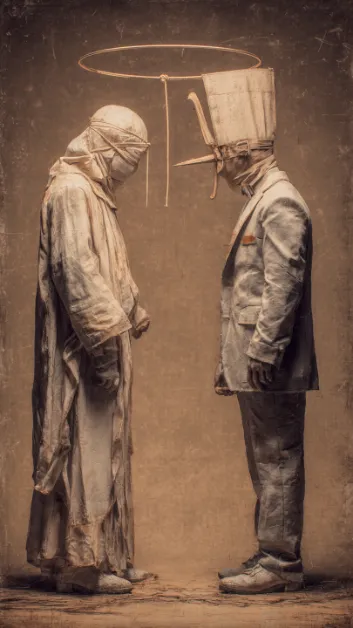
Religion becomes a threat the moment it declares itself infallible—run by humans, funded by humans, administered by humans, but somehow immune to human error. When a religious leader fails, followers don’t ask what went wrong; they ask who is attacking us. Accountability is cancelled in the name of holiness.
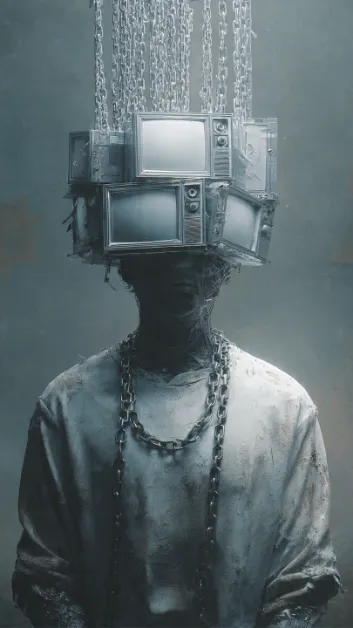
Religion is especially dangerous when it trains people to fear questions. Doubt is treated like a virus. Curiosity is rebuked. “Just believe” becomes the official intellectual policy. At that point, thinking is replaced with obedience, and ignorance is baptised as faith.
Religion also has a remarkable talent for laundering power. Give a man authority, and he might abuse it. Give him divine authority, and he becomes untouchable. Suddenly, corruption is “God working in mysterious ways,” abuse is “a test of faith,” and victims are advised to pray harder, forgive faster, and keep quiet for the sake of the church, mosque, or temple.
Religion becomes a threat when it offers heaven as compensation for hell on earth. The poor are told to endure. The oppressed are told to be patient. The hungry are told to fast. Justice is postponed to the afterlife, where no investigation committees exist, and no leaders can be voted out.
Religion is a threat when morality is reduced to permission. People stop asking, Is this kind? Is this just? And start asking, is this allowed by doctrine? Once cruelty receives divine clearance, it becomes holy work. History has receipts.
Religion is also deeply uncomfortable with evidence. Science asks for proof; religion asks for loyalty. Medicine explains disease; religion explains why God allowed it. One tries to solve problems; the other often spiritualises them until they become permanent.
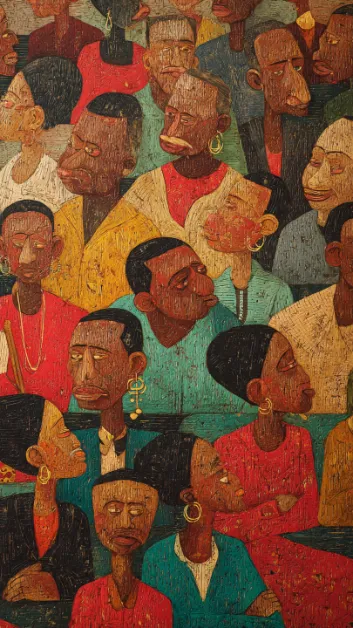
Religion divides humanity into neat categories: believers, unbelievers, sinners, the saved, the lost, and the chosen. It then teaches love, with terms and conditions. Everyone is equal, but some are more equal in heaven than others.
And when religion enters politics, it doesn’t come to serve; it comes to rule. Laws become sermons, leaders become prophets, and disagreement becomes blasphemy. Democracy dies quietly, because no one wants to argue with God’s representative.
None of this means faith is the problem.
Faith can inspire love, courage, and justice. Faith can resist tyranny. Faith can question power. But faith does not need institutions that panic at scrutiny. Faith does not fear doubt. Faith does not demand immunity.
The real danger is this confusion: people defend religion as if it were God, obey leaders as if they were heaven, and surrender reason in the name of faith.
And any system that cannot be questioned, corrected, or criticised is not divine.
It is just powerful.
About the author
Abdullatif Eberhard Khalid (The Sacred Poet) is a Ugandan passionate award-winning poet, Author, educator, writer, word crosser, scriptwriter, essayist, content creator, storyteller, orator, mentor, public speaker, gender-based violence activist, hip-hop rapper, creative writing coach, editor, and a spoken word artist. He offers creative writing services and performs on projects focused on brand/ campaign awareness, luncheons, corporate dinners, date nights, product launches, advocacy events, and concerts, he is the founder of The Sacred Poetry Firm, which helps young creatives develop their talents and skills. He is the author of Confessions of a Sinner, Vol. 1, A Session in Therapy, and Confessions of a Sinner, Vol. 2. His poems have been featured in several poetry publications, anthologies, blogs, journals, and magazines. He is the editor of Whispering Verses, Kirabo Writes magazine issue 1 and edits at Poetica Africa.