
Press Freedoms in Uganda on Trial
Why the Parliament Should Not Preach Water and Drink Wine
31 Oct, 2025
Share
Save
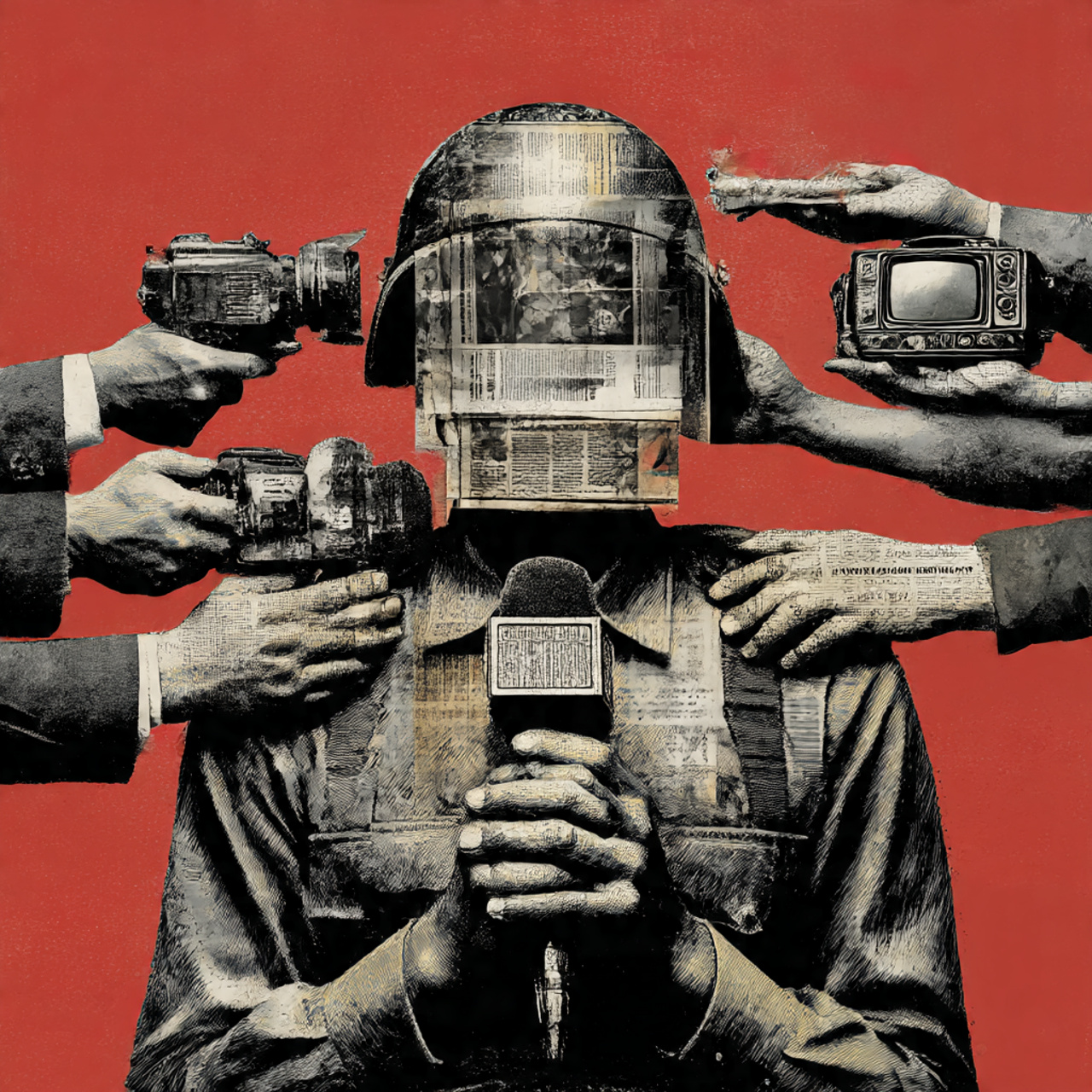
The Parliament of Uganda has been in the news recently, following the dismissal of the Nation Media Group (NMG), one of the leading independent media groups in the country, from covering the proceedings within the August House. This blockage was immediately condemned by many actors, including lawyers, journalist associations, human rights activists, and NMG itself.
Whereas Article (79) Clause (1) of the 1995 Constitution of Uganda as amended mandates the parliament to make laws, Clause (3) of the same article mandates them to “protect the constitution and promote the democratic governance of Uganda.” Whether they've upheld their mandate, as far as protection and observance of press freedoms are concerned, is something that even the blind can see its inefficiency.
So, when they recently kicked out Nation Media journalists, accusing them of misconduct and reaffirming that investigations are ongoing, as remarked by the Deputy Speaker Thomas Tayebwa, it kept many fuming, especially those who know that press freedom is a non-derogable right and can't be granted by anyone, including the state, but rather must be respected by everyone, including those in high seats of power. This is cited in Chapter Four of our constitution, Article 20, Clause (1).
One of the learned scholars in this country, Dr Adolf Mbaine (PhD), often relates media freedoms to a tethered goat, saying endlessly in his public lectures, “No matter how long the rope, a tethered goat is never free!” Hopefully, the media doesn't need the rope anymore, for times of grazing have since changed.
In the laws of natural justice, the grieved cannot be the judge in his own case, a role the Parliament is trying to play. Let them run to the courts of law if they feel offended. But blocking the journalists from doing their work and deciding their case doesn't only violate the freedom of the press and other media as enshrined in Article 29(a) but also violates the citizens' right to access to information as enshrined in Article 41, Clause (1).
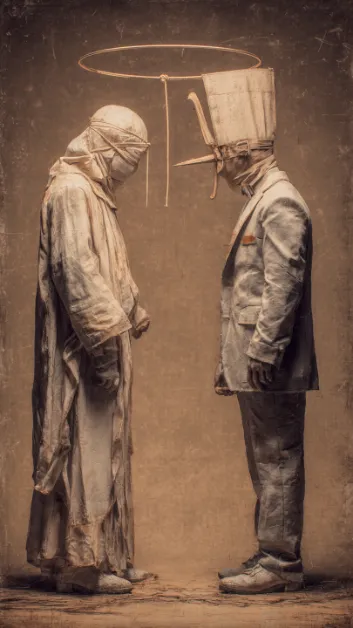
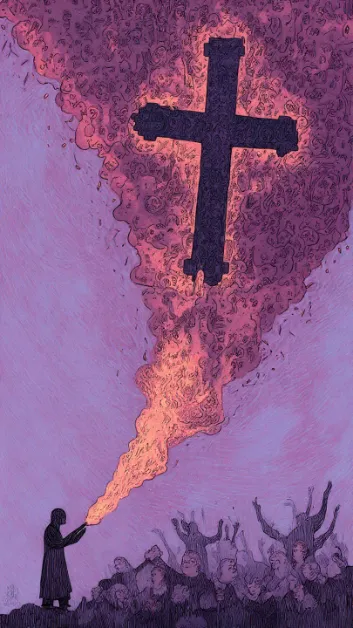
As the parliament, which is a custodian of the law, follows the wrong procedures to persecute this media group, which has since claimed not to know what their misdeeds are, they are best likened to the proverbial pastor or priest who preaches water on the altar in daylight but drinks himself silly with wine at the end of the mass in the dark.
The citizens, too, may find no use in following the law of the land if those meant to protect the law are knowingly offending the same. Let them swallow their egos and opt for reconciliation. Otherwise, one of the greatest African authors, Chinua Achebe (RIP), once remarked that, “When you see a frog running in broad daylight, know that something is after its life.”