The Critique Magazine Logo
    • Popular
    • Latest
    The Critique MagazineThe Critique
    Login
    VOICES & STORIES

    Uganda Media Week 2025, Opens Amid Concerns Over Press Freedom Ahead of Elections

    A timely conversation on journalism, regulation, and democracy.
    By: Akampurira Agapito

    17 Dec, 2025

    Share
    Save

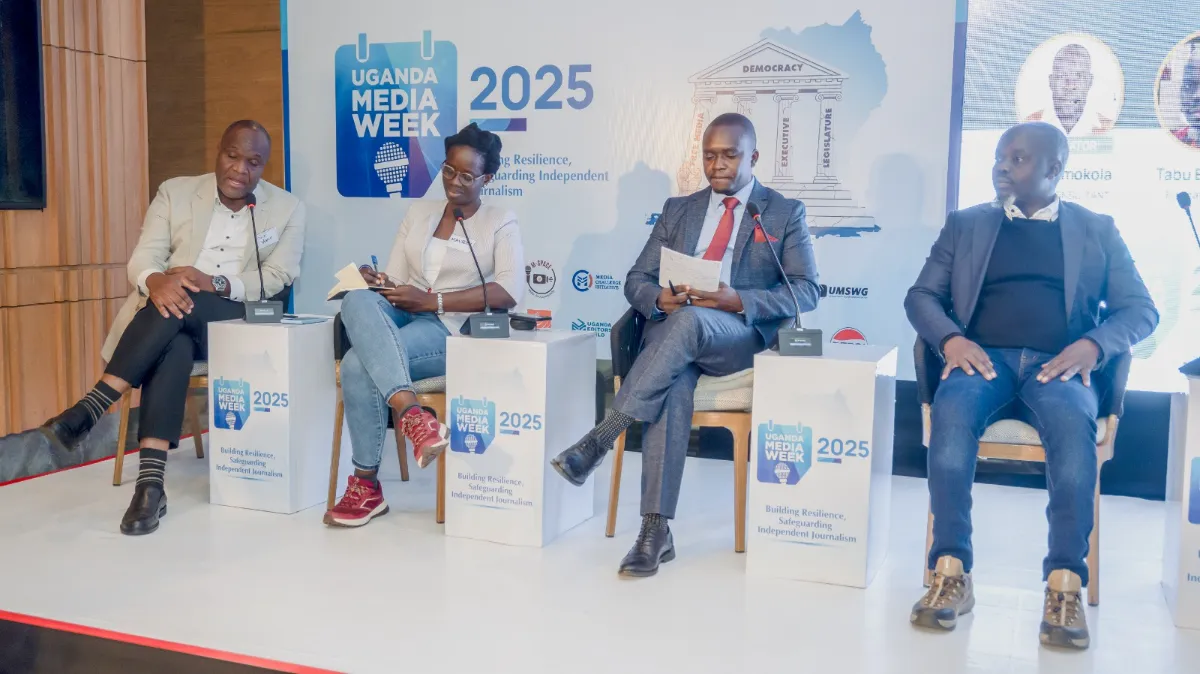
    Uganda Media Week 2025 has opened in Kampala, bringing together journalists, public editors, researchers, communication officers, and other media stakeholders to reflect on the state of journalism in the country. The two-day event, running from Wednesday, December 17, to Thursday, December 18, is being held at Four Points by Sheraton under the theme “Building Resilience, Safeguarding Independent Journalism.”

    The discussions come at a critical time as Uganda heads toward the next general elections, with growing concerns about media preparedness, press freedom, and the challenges journalists face while carrying out their mandate of informing the public.

    Speaking on a panel moderated by Dr John Baptist Imokola, media scholar Ms Emily Maractho emphasised the importance of media democratisation and credibility, noting that credible journalism remains central to a functioning democracy.

    The role of regulation also featured prominently in the discussions. Mr Fred Otunu, Director of Corporate Affairs at the Uganda Communications Commission (UCC), said media houses must operate with clear editorial policies, particularly in light of rising misinformation and unethical journalism. Addressing the continued shutdown of Facebook in Uganda, Mr Otunu explained that the platform had not fully complied with certain national laws. He noted that discussions to reopen it were ongoing, but that it remains closed for now.

    Concerns about violence during electoral campaigns were raised, with reference to the Kawempe North by-election. Journalist Mr Tabu Butagira questioned the persistence of such incidents, asking who instigates electoral violence, who benefits from it, and how journalists can professionally report on such situations.

    Dr Adolf Mbaine underscored the media’s responsibility to hold those in power accountable, remarking that unchecked power undermines accountability. However, speakers cautioned that this role must be exercised responsibly. Mr Dick Nvule, News Editor at Simba FM, urged journalists to uphold ethical standards by verifying information and avoiding single sourcing.
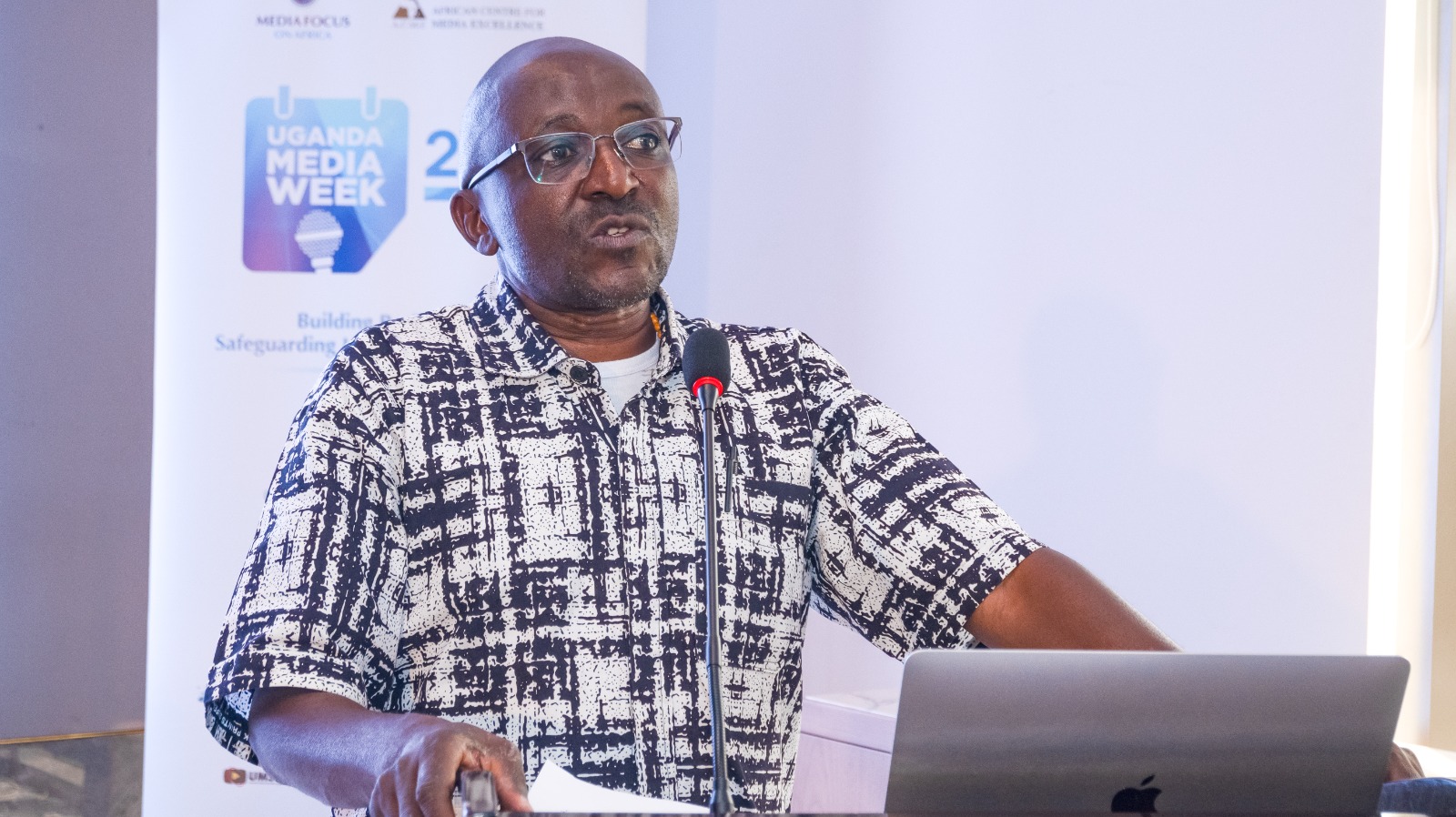
    The final session focused on the role of public editors and media ombudsmen, as well as strengthening feedback mechanisms between the media and audiences. “The ombudsman does not have the final word. Everything goes on record,” said Mr Charles Bichachi.

    Uganda Media Week 2025 concludes on December 18, with ongoing discussions centred on press freedom, ethical journalism, and the media’s independence from the three arms of government.
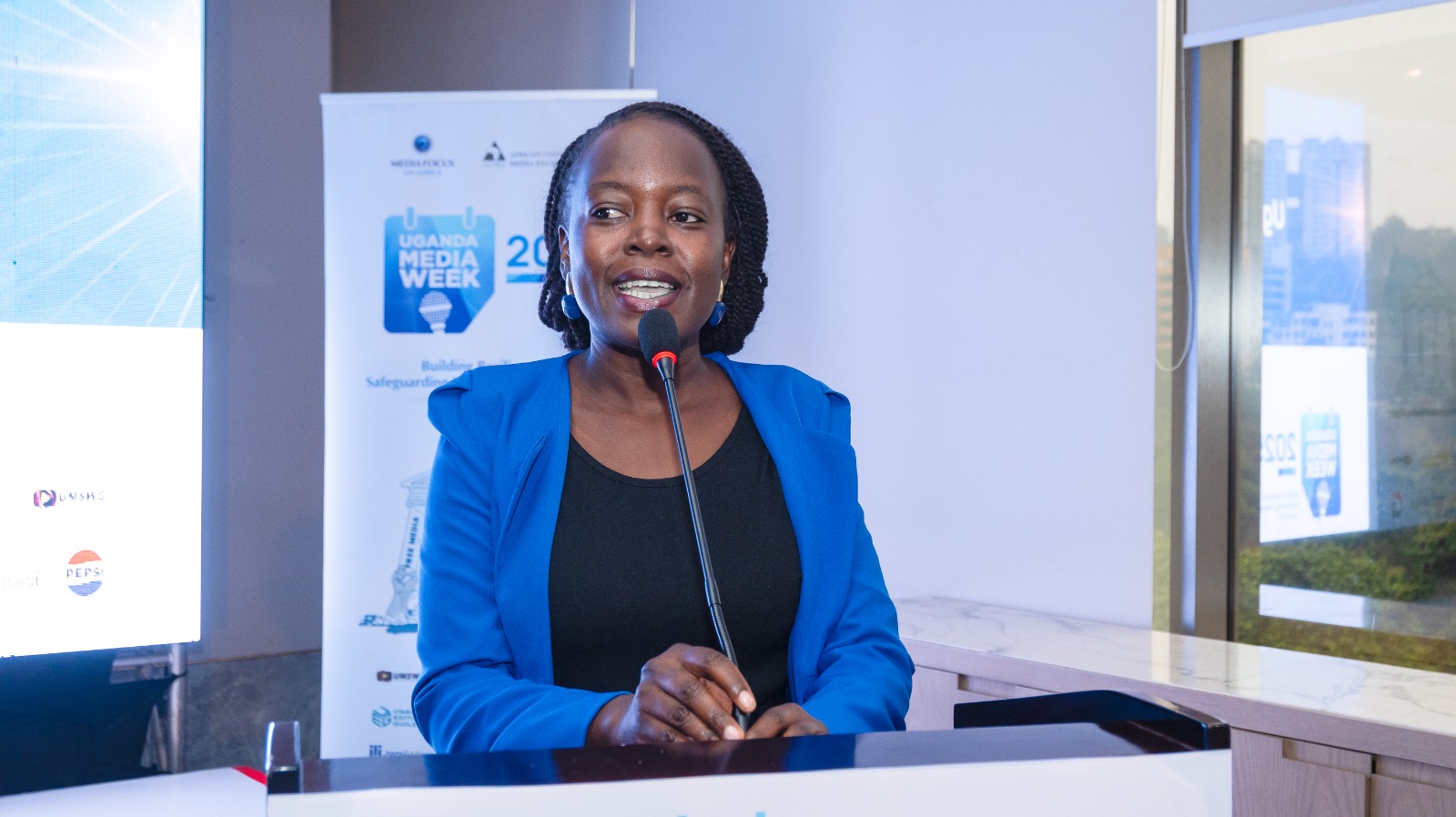
    Jan Ajwang, Programs Manager at Media Focus on Africa

    💬Comments(0)

    Sign in to join the conversation

    The Critique Magazine

    Copyright Notice: All rights reserved. All the material published on this website should not be reproduced or republished without prior written consent.

    Copyright to the material on this website is held by The Critique Magazine and the contributors. Any violation of this copyright will be subject to legal proceedings under intellectual property law.

    Navigation

    HomeGlobal WatchLatestPopularSubmissionsIssues

    Magazine

    AboutThe VerdictInner Reflection

    Copyright 2026 - The Critique Magazine

    Most popular

    1

    All of us must vie to become members of parliament

    Uganda’s constitutional framework transforms parliamentary authority into money, pensions, and protection, while citizens get ritual elections.

    Isaac Christopher Lubogo

    2

    The Tale of Two Voices

    In Uganda, power speaks loudly while dissent is forced into whispers, turning democracy into a contest of volume rather than justice.

    Turyagumanawe Promise

    3

    From Derogable to Functionally Non-Derogable

    Internet Access, Emergency Powers, And the Structural Collapse of Rights Protection in International and Ugandan Constitutional Law.

    Isaac Christopher Lubogo

    4

    The Mirage of Sovereignty: Reflecting on Uganda’s 2026 General Elections

    Ballots were cast in Uganda’s 2026 election, but power remained fenced off—guarded by soldiers, silence, and a hollow constitution.

    MBOIZI JESSY

    5

    Leave The Football: Why young Ugandans should shun their government and elective politics  

    Leave the football before the football leaves you.

    Beyoreka Junior

    6

    Museveni’s Electoral Legacy Performance: A Comprehensive Historical Analysis and Ranking

    Is it tenable that the Museveni of 2026 is as popular as he was when he started in 1986?

    Isaac Christopher Lubogo

    7

    First, They Blessed It; Then, They Vanished: A National Miracle Explained.

    The theology that worked—until it didn’t.

    Abdullatif Khalid Eberhard

    8

    Why Religion Is a Threat to Us All

    The danger is not belief in God, but the systems that demand loyalty instead of truth.

    Abdullatif Khalid Eberhard

    9

    Do literacy gains explain—or contradict—Uganda’s electoral outcomes?

    Educated but Disenfranchised? What Invalid Votes in recent Uganda's 2026 Elections Say About UPE and USE GAINS

    Arinaitwe Reagan

    10

    Uganda after the election: Victory declared, opposition persecuted, people disappeared

    From a Berlin rooftop in September 2025 to abduction on Uganda’s election day: Lina Zedriga, opposition leader, and the price of politics.

    Konrad Hirsch