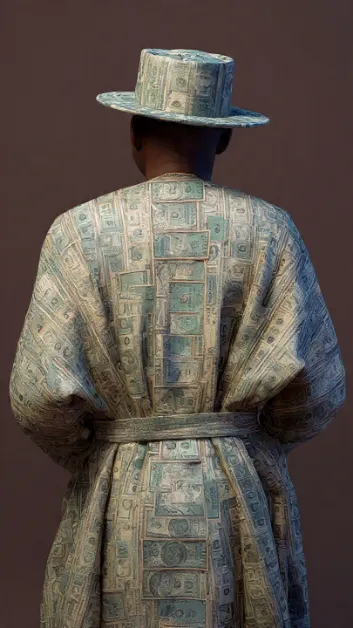

Ugandans Who Cried ´WOLF´
From ballot lines to New Year greetings, Uganda perfects the art of endurance—where wolves rule and “I’m fine” means nothing is.
01 Feb, 2026
Share
Save
Happy New Year?? Yes or no?? It doesn’t matter. Ugandans often reply with ‘I'm fine’ to ‘How are you?’ even when they are sick. So, we'll just bounce the greeting of the new year. We have no idea if it's happy or if the people don't mind. It's not like we are ever honest, though; after all, nothing's been done to materialise the greeting.
A few days back, Ugandans elected their most suitable candidates into office, from the president to council offices—a beautiful exercise of their rights!
I must say, it's no new news, the cries of the dear citizens that have marred the media from time immemorial about how terribly their rights to free and fair elections have been clipped, but this is not the issue; it really isn't, because these rights have perfunctorily never carried responsibility alongside them.
The issue then is the supposed inherent individual lack of innocence that has delivered such a big and insufferable child of torment.
The boy who cried wolf definitely thought he was pranking the village by imitating the beast, and when the real beast came, no one could come to his rescue, thinking it was just another prank.
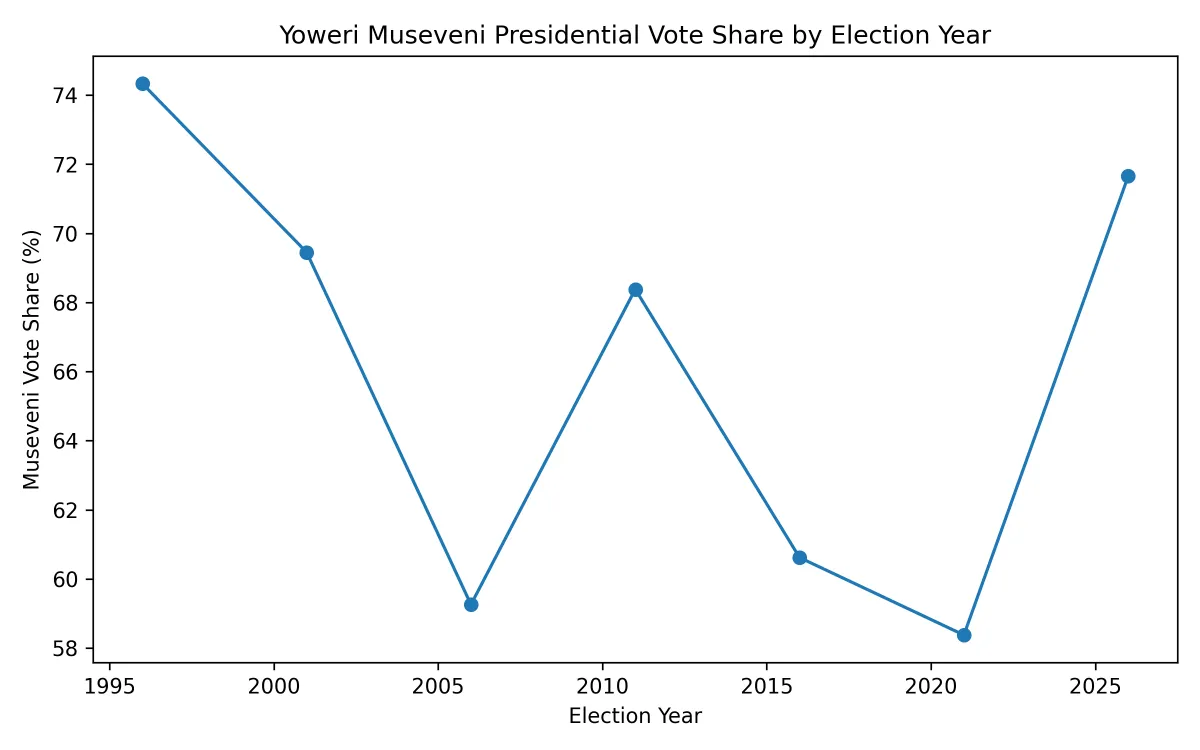
Unfortunately, Ugandans didn't even realise they were pranking in the early 2000s when they claimed to be deprived of their rights; this, today, is the real deal. The current Uganda is not for the straightforward, nor is it for the humble in action.
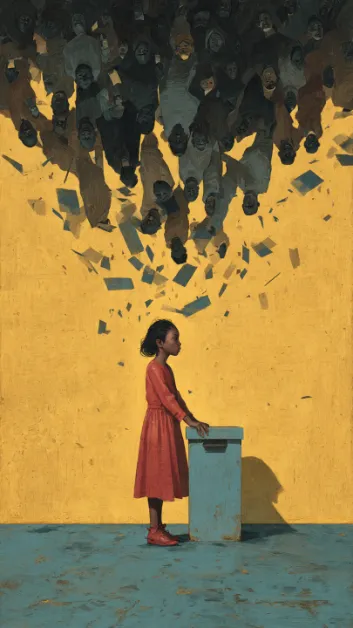
A young lady in Amolatar district voted for the first time this January. An exhilarating experience that involved queuing in the hot January sunshine while waiting for about 200 illiterate villagers to vote, as each spent about fifteen minutes being educated on the spot before they could decide on who among all the alien faces on the ballot deserved their thumbprint.
It was tiring, but she had to; she was too tired of the members of parliament who spent two thousand shillings during campaigns and then travelled to the US after the swearing in, only to return a year or months before the end of their term for another campaign. Classic case of the beast that won't be chased, after all, they were elected locally. The exercise ended at twilight, exhausting, but she was excited and happy it was done.
But she was wrong, very wrong. In the first place, she had no right to be happy, and that was just the beginning.
In a not-so-rare twist in the event, the figures at the polling stations appeared distinct from those at the tallying centre, and surprisingly, the contradictions were blatant and eerily conspicuous; the young lady who had been following the entire process on the radio wasn't caught off guard.
She had tried. Actually, she was helpless. Before this, she was used to the rumours of vote theft, rigging, and fraud, but they were rumours, ones that had evidence in the bitter fruit of the elected's lack of contribution.
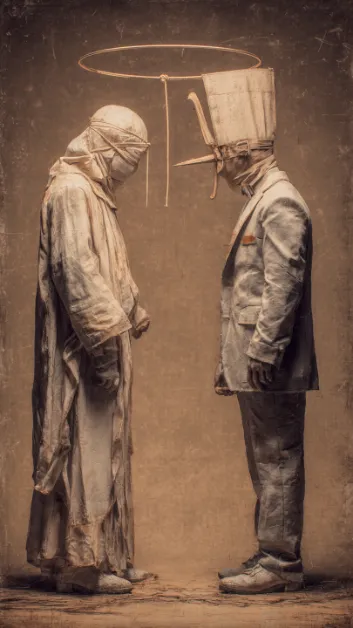
However, this blatantly exposed style still didn't surprise her; it's not like she had not anticipated this possibility. But she had indeed voted, voted well, and well, she did exercise her right, and so did the incumbents. It then only seems like the wolf can't be chased. Yes, we shall cry out, but it seems to be stronger, or maybe we are pretending. We might as well admit we look like the beast itself!! But anyway, Ugandans shall continue crying wolf.
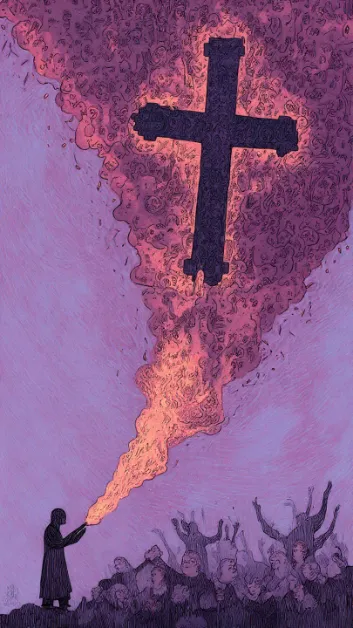
So we go back to the greeting, happy new year?? It's subjective. The wolf is definitely happy, but anyway, there's still hope for Ugandans, speaking from an optimistic point of view. Maybe a streak of fasting for the entire February? Or an uprising against the wolves? Or maybe Ugandans could take the constitution a little more seriously? The rights clearly go alongside responsibility, and so does retribution for their alteration (see penal code as amended).
But this isn't a suggestion Ugandans will take. For them, ignorance is bliss, and heartbreakingly, the few who know a little can only monetise their knowledge, not act on it. So unfortunate. This is the situation; it's not a plight. That's why they'll say ´I'm fine´ any time. But, a bad beginning still makes a good ending, though the exercisers of voting rights may not live long enough to see the ending, not with the blaring, sharp fangs of the wolves biting at their backs.
About the author
Asiimwe Esther is a student at the renown Islamic University In Uganda, pursuing a degree in Laws