
What Kills Uganda Under Museveni
Uganda dies politely—through ritual elections, obedient silence, and injustice carefully renamed stability.

01 Feb, 2026
Share
Save
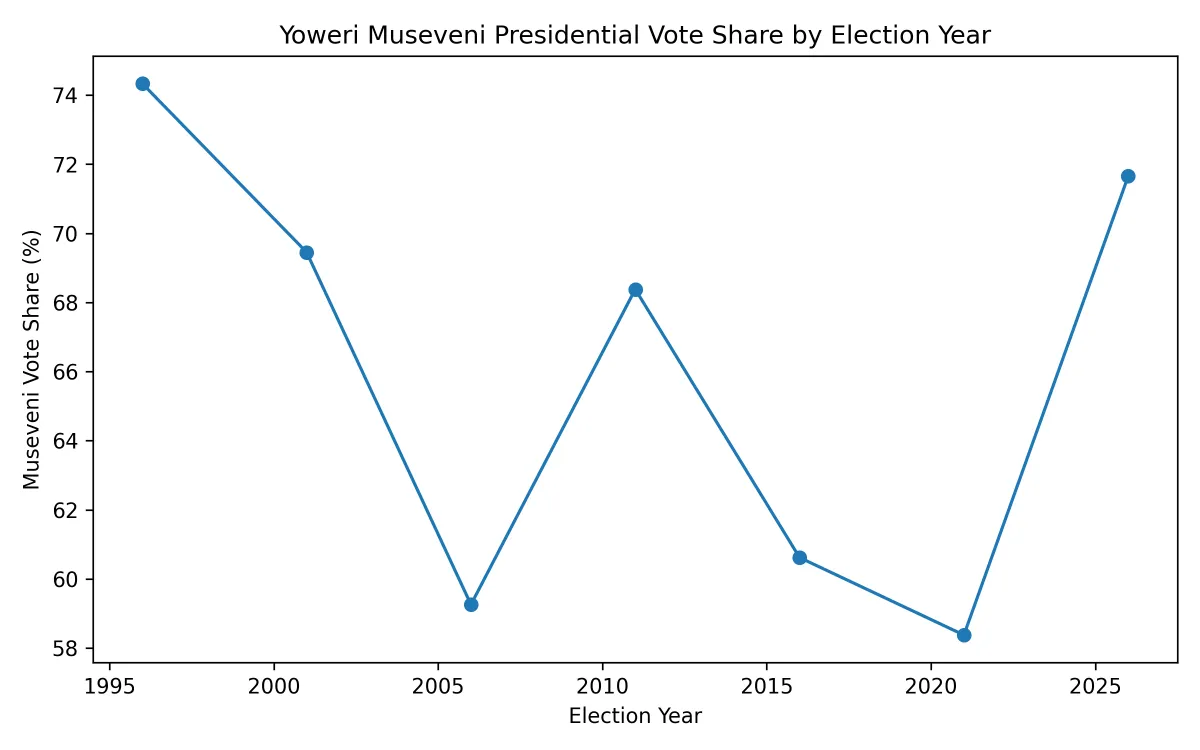
I am sadly told Museveni has once again declared himself the deceptive winner of the recent presidential elections! Let me first cry! Make no mistake: mockery is not survival. Laughter does not replace justice. And a nation cannot joke its way out of decay. Uganda is not dying because it is cursed. It is dying because too many things that should shock us have become normal.
Uganda does not collapse; it is preserved. Like meat in a freezer that never reaches the table, the country is kept cold—fresh enough to display, never warm enough to feed its people. Uganda dies politely. With hymns before theft, prayers before brutality, and national anthems sung while the pockets of a few grow obese. Here, God is always thanked, even when the budget disappears.
Uganda dies when leadership becomes a retirement plan. When chairs in office are more permanent than graves, and elections are cultural ceremonies performed regularly, the results are known in advance. Democracy exists, but only for decoration, like flowers on a coffin.
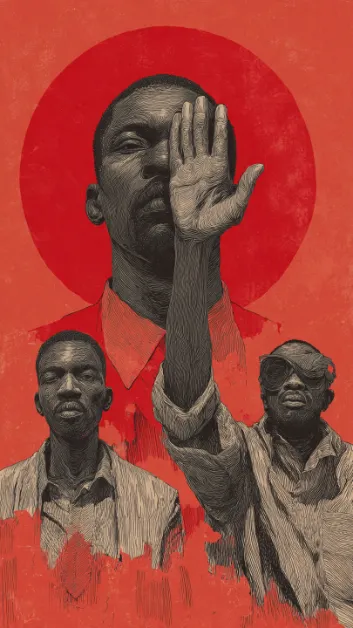
Uganda dies in yellow ribbons and slogans. When patriotism is measured by silence, and love for country means never asking why roads end abruptly, why hospitals lack gloves, or why tear gas arrives faster than ambulances.
Uganda dies when corruption is promoted to tradition. When stealing public money is no longer a crime but a skill—something to be mastered, defended on the radio, and forgiven in the name of “forgiveness.” Here, the corrupt do not hide; they campaign.
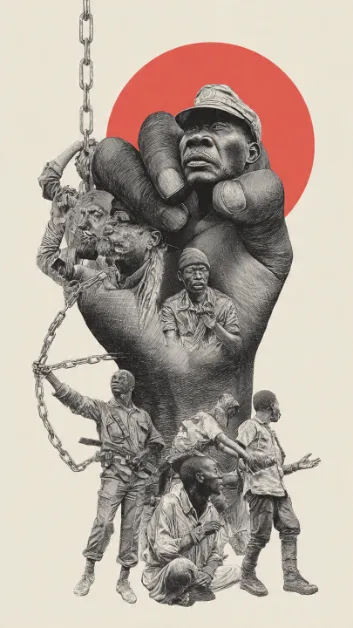
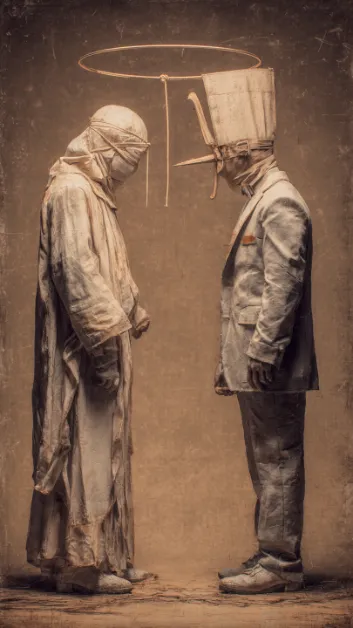
Uganda dies when institutions wear civilian clothes but take orders at night. When courts speak in careful sentences, police think with batons, and Parliament behaves like a WhatsApp group waiting for instructions. Laws exist, but courage is out of stock.
Uganda dies when tribes are shaken like spice into politics. Just enough to flavour fear. Just enough to divide pain. Citizens are reminded daily where they belong—never to the nation, always to an identity useful during elections.
Uganda dies when education trains obedience. When children recite answers but never ask questions, when graduates queue for jobs that do not exist, and when brilliance is rewarded with frustration. School teaches survival, not freedom.
Uganda dies while exporting coffee and importing suffering. Farmers sweat, middlemen smile, and poverty remains loyal. The soil is fertile, but the system is barren. Development speeches are harvested more than crops.
Uganda dies in the youth. Young people are energetic enough to chant slogans and strong enough to carry placards, but too dangerous to be trusted with power. They are told to wait for tomorrow—an appointment that never comes.
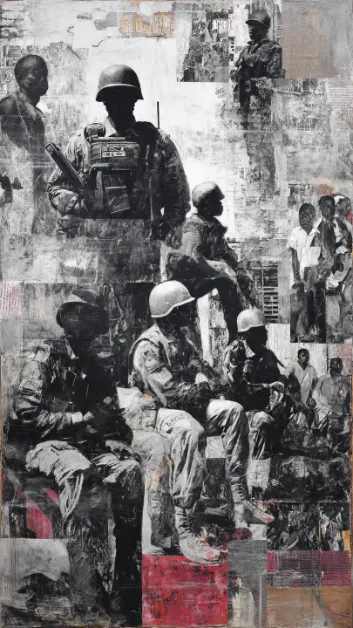
Uganda dies in the normality of violence. When arrests are casual, bullets are explanations, and disappearances are rumours whispered at night. Fear becomes common sense. Silence becomes intelligence.
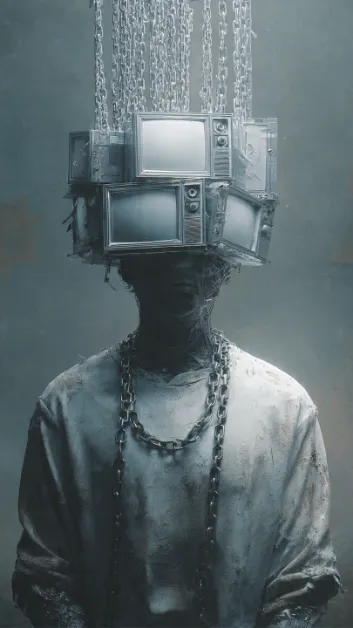
Uganda dies every time injustice is explained away. When corruption is called “human weakness,” brutality is called “security,” and poverty is blamed on laziness. Words are trained to lie better than people.
Uganda survives—barely—on humour. On satire, on memes, on laughter that keeps pain from screaming. Jokes become the last protest. Sarcasm becomes the last freedom.
And in Uganda, normal is deadly.
About the author
Abdullatif Eberhard Khalid (The Sacred Poet) is a Ugandan passionate award-winning poet, Author, educator, writer, word crosser, scriptwriter, essayist, content creator, storyteller, orator, mentor, public speaker, gender-based violence activist, hip-hop rapper, creative writing coach, editor, and a spoken word artist. He offers creative writing services and performs on projects focused on brand/ campaign awareness, luncheons, corporate dinners, date nights, product launches, advocacy events, and concerts, he is the founder of The Sacred Poetry Firm, which helps young creatives develop their talents and skills. He is the author of Confessions of a Sinner, Vol. 1, A Session in Therapy, and Confessions of a Sinner, Vol. 2. His poems have been featured in several poetry publications, anthologies, blogs, journals, and magazines. He is the editor of Whispering Verses, Kirabo Writes magazine issue 1 and edits at Poetica Africa.